


















Gentle, Trusted Dental Implants in Perth
MODERN TOOTH RESTORATION
Experience Secure, Natural-Looking Tooth Replacement with Dental Implants
REPLACING MISSING TEETH
Comprehensive Dental Implant Treatments for Durable Tooth Replacement
We offer dental implant treatments for replacing one or several missing teeth. Each option is designed to improve function and stability for daily use.
Single Tooth Implants
A single implant is used to replace one missing tooth. It does not require any modification to neighbouring teeth. A titanium post is placed in the bone and topped with a crown made to resemble a natural tooth.
Learn More
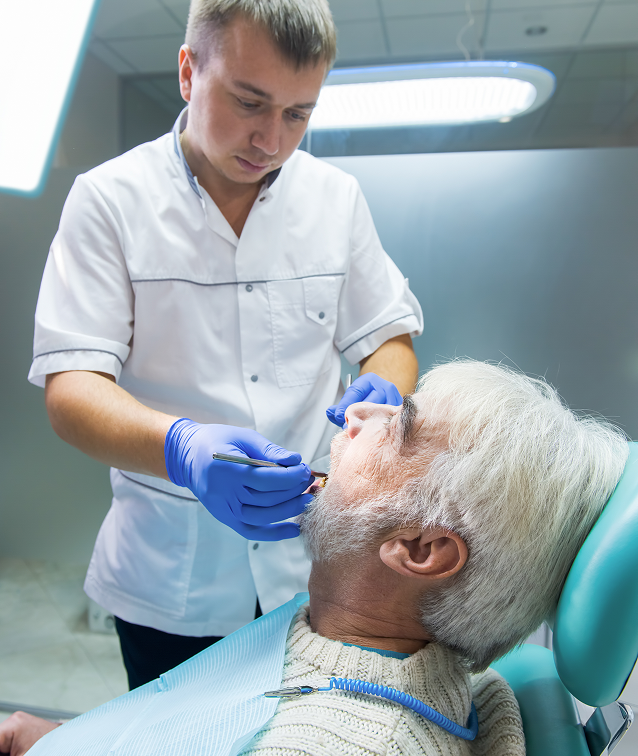
Multiple Teeth Implants
Several implants can anchor bridges or partial dentures without relying on plates or adhesives. This option is often chosen for added comfort, improved chewing function, and better stability. It may also help reduce pressure on surrounding teeth.
Learn More
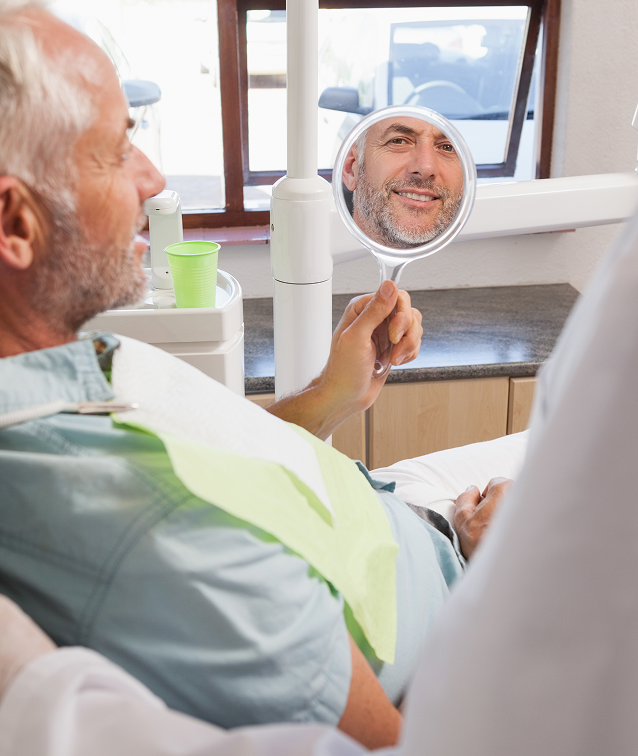
All-on-4 Dental Implants
All-on-4 uses four implants to secure a full arch of replacement teeth. This technique may be suitable for those with reduced bone volume. It provides a non-removable alternative to dentures, designed for enhanced stability and day-to-day function.
Learn More

Implant-Supported Dentures
Implant-supported dentures are connected to implants for greater stability compared to traditional dentures. They are held securely in place, so pastes or adhesives aren’t needed. This option may improve daily chewing, comfort, and overall ease of wear.
Learn More
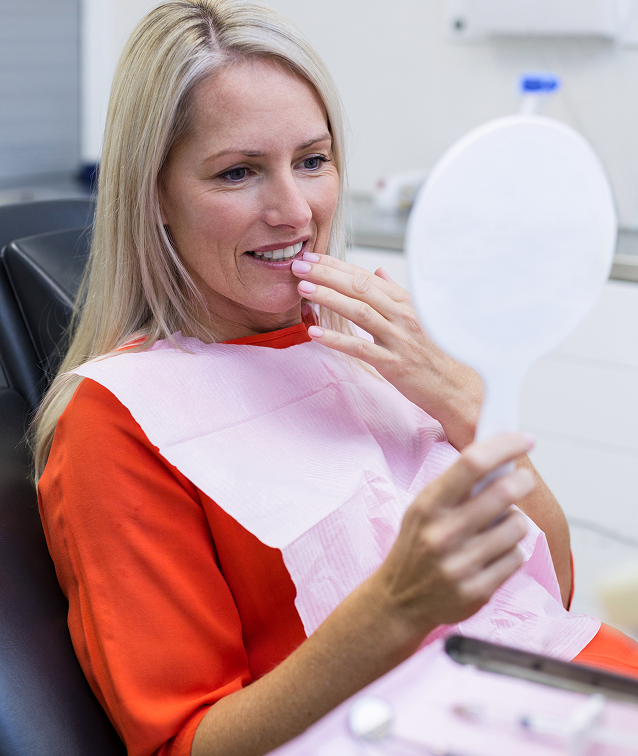
Bone Grafting and Sinus Lifts
Bone grafts or sinus lifts may be recommended before implant placement when bone levels are low. These procedures are designed to rebuild bone height or volume, thereby creating a more stable foundation for implant positioning at a later stage.
Learn MoreWHO IT'S FOR

What Makes You a Candidate for Dental Implants?
Dental implants may be a suitable option for individuals looking for alternatives to removable bridges or dentures. Many explore this option to improve eating, speech, or tooth replacement. You may be a suitable candidate if you relate to one or more of the following situations:
1 Missing One Tooth
2 Multiple Missing Teeth
3 Healthy Jawbone Volume
4 Stable General Health
LONG-TERM ADVANTAGES
The Value of Restoring Missing Teeth with Dental Implants
Better Chewing and Speaking
Tooth loss can make eating or speaking more difficult and affect overall comfort. Implants may improve daily function by holding replacement teeth securely in place within the mouth.
Help Maintain Jawbone Volume
When teeth are lost, the jawbone can shrink over time. Implants may help maintain bone levels by mimicking the stimulation once provided by natural tooth roots.
Blend with Natural Teeth
Implants are made to hold custom-crafted teeth that blend naturally with your smile. Their design aims to enhance appearance without the need for removable prosthetics.
Discuss Dental Implant Options with a Qualified Practitioner
Considering dental implants in Perth? Our team can provide information about the procedure and assess whether it is appropriate for your oral health needs.

IMPORTANT CONSIDERATIONS
Risks and Limitations Patients Should Know About Dental Implants
Dental implants are a well-established treatment, but they do come with important considerations. Understanding the process can guide your decision-making. Here are some risks your dentist may outline and discuss in relation to your individual health and oral condition:=
1 Infection at the Site
2 Implant Not Integrating
3 Nerve or Tissue Disturbance
4 Sinus Considerations (Upper Jaw)
YOUR IMPLANT JOURNEY
Know What Happens During the Dental Implant Treatment
Dental Implant Consultation
The process begins with a consultation to assess your oral health and goals. This appointment allows your dentist to determine whether implants may be appropriate.
Treatment Planning
Your dentist will develop a tailored treatment plan using scans or impressions. This helps guide implant placement and confirms the approach is appropriate for your oral condition.
Implant Procedure Day
The implant is placed into the jawbone under local anaesthesia. You’ll receive aftercare instructions, and a healing period is usually needed before proceeding to the next stage of treatment.
Review and Maintenance
After healing, your dentist will review your progress and fit the final restoration. Long-term success depends on regular maintenance, including ongoing check-ups and consistent oral hygiene practices at home.
Meet Your Dentists
Dedicated Dental Team Focused on Comfort and Care
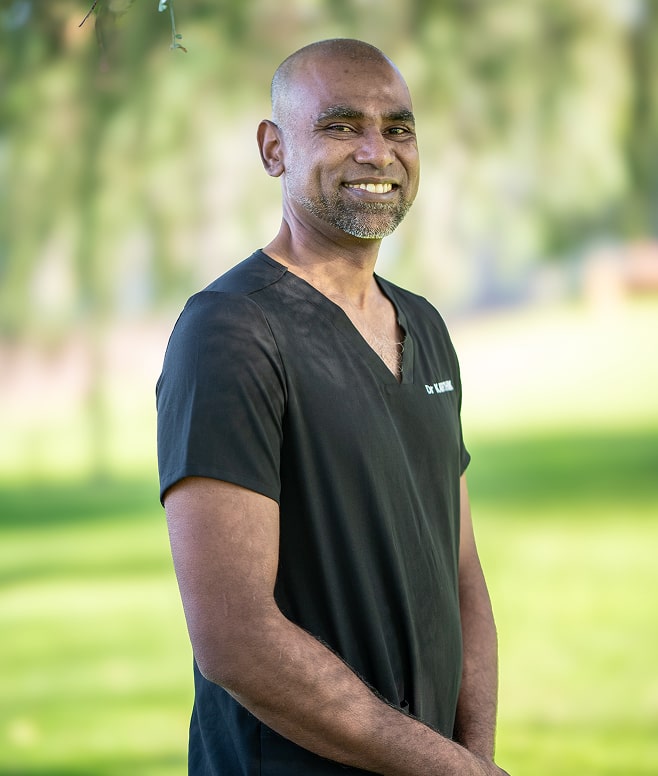
Dr. Karthik is a fully qualified dentist with more than 23 years of clinical experience. Since completing his Bachelor of Dental Surgery in 2002, he has developed a strong interest in surgical procedures, dental implantology, and clear aligner systems. He holds a Master’s degree in Clinical Implantology from UCLA and has undergone comprehensive training in digital treatment planning and orthodontic aligner therapy.
His work is primarily focused on surgical extractions, implant placement, and managing complex treatment plans. He is dedicated to continuous learning and consistently integrates evidence-based techniques into his daily practice. Outside of dentistry, he enjoys playing backyard cricket and badminton with his sons, as well as practising mindfulness and maintaining a balanced lifestyle.
Dr. Karthik earned a Master’s in Clinical Implantology from UCLA, focusing on implant systems, surgical techniques, and oral rehabilitation.
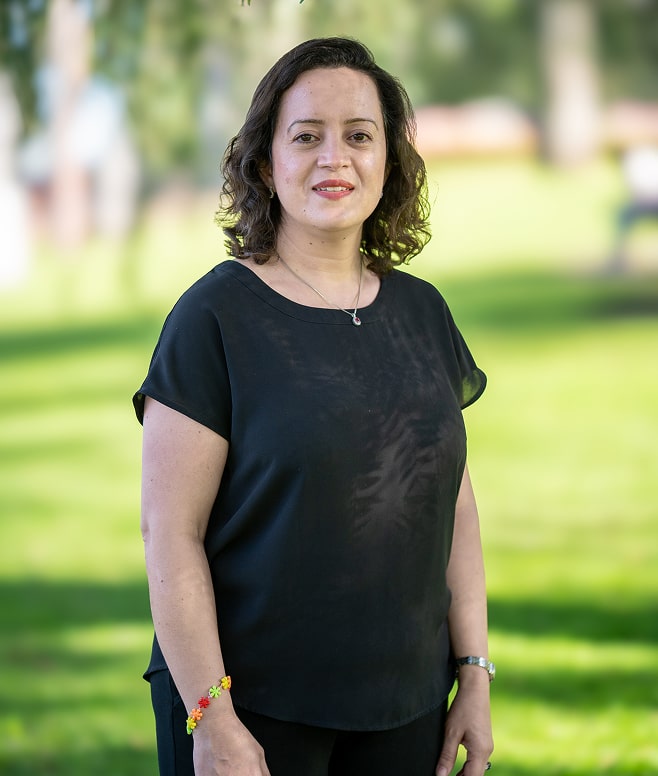
Dr. Behnoush is a dentist with more than 15 years of clinical experience. She gained her qualification through the Australian Dental Council in 2008 and has been practising in the country since 2009. She communicates clearly with patients and takes time to explain treatment options, especially during procedures that may be new or feel overwhelming.
She provides care across all aspects of general dentistry, with special interests in Invisalign, cosmetic treatments, and restorative work, such as crowns and bridges. She is dedicated to continuous learning and regularly attends continuing education programs. Outside of dentistry, she enjoys family time, active living, and being engaged in her local community.
Dr. Behnoush is a member of the Australian Dental Association and upholds national clinical standards and professional codes of conduct.
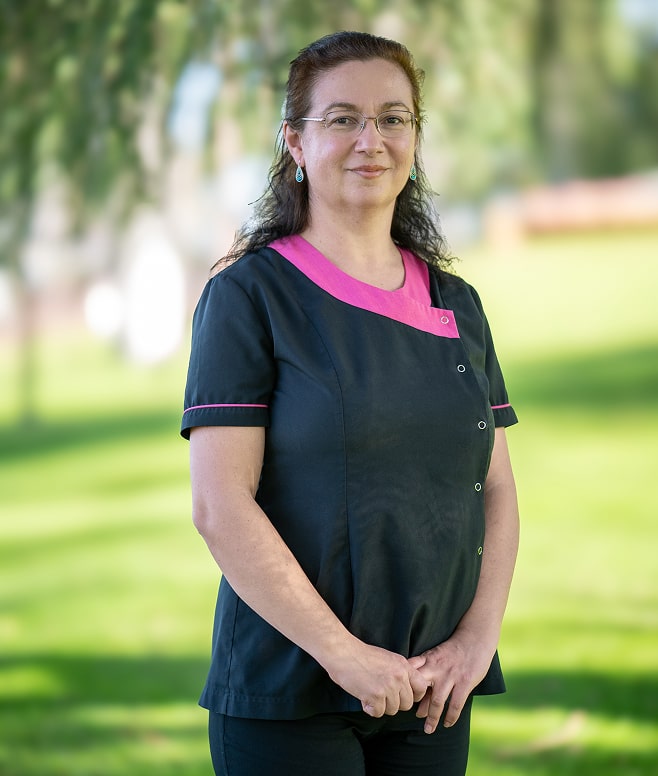
As a Senior Dentist, Dr. Julija focuses on preventive care and communication. She completed her Bachelor of Dental Surgery in 2006 and has more than 15 years of experience. Her calm, friendly approach helps patients feel at ease. She takes the time to explain treatment options and values building lasting relationships through clear and respectful communication.
She provides a wide range of dental services, including preventive, cosmetic, paediatric, extraction, and alignment treatments. She tailors treatment plans to each individual and stays current with evolving techniques. She enjoys cooking and cycling and regularly joins her family in the City to Surf walking challenge, combining fitness with community involvement.
Dr. Julija participates in professional development courses both domestically and internationally to stay current with the latest developments in dentistry.
Dr. Julija is a member of the Australian Dental Association - Western Australia (ADAWA), upholding ethical practice and professional standards in dentistry.
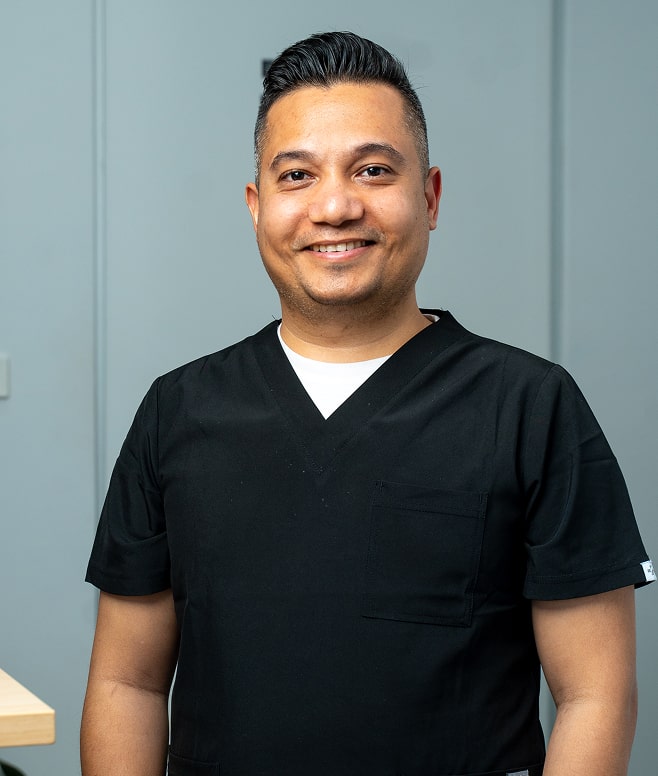
Dr. Siddharth is a dentist providing prosthodontic and implant care. He also provides restorative care, including dentures, crowns and bridges, veneers, and full mouth rehabilitation. He focuses on detail and long-term treatment planning, using a methodical approach shaped by patient goals and needs. His calm and clear communication helps patients navigate their treatment with clarity and understanding.
He enjoys creative pursuits, such as drawing, sketching, cooking, and dancing. These interests reflect his attention to shape, form, and balance—qualities that align with his approach to dental restoration and aesthetics. He works closely with patients on treatment options that are functional and designed with comfort and longevity in mind.
Dr. Siddharth completed his dental degree in India prior to registering locally, adding international clinical training to his restorative and implant work.
- Dr. Siddharth is a Fellow of the Indian Society of Oral Implantologists (ISOI), a professional body dedicated to implant training and clinical development.
- He also holds a Fellowship with the International Congress of Oral Implantologists (ICOI), an organisation that promotes global collaboration in implant dentistry.
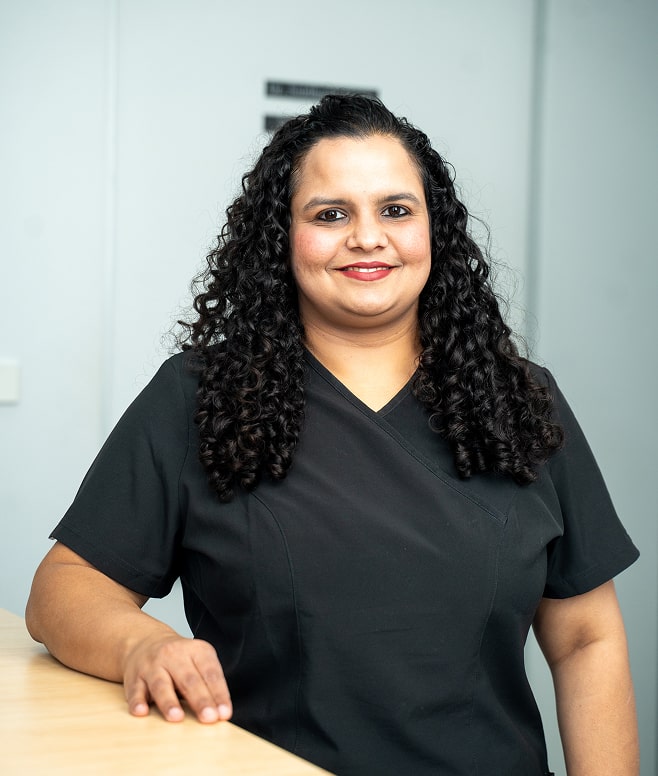
Dr. Abha is a dentist with a Master’s degree in Periodontology and Implantology. She gained her dental qualification in India and registered with the Australian Dental Council. Her background in surgical and implant dentistry is combined with a calm, clear approach to patient care. She focuses on communication and helping patients understand treatment options that suit their individual needs.
She provides preventive, surgical, and implant treatment with careful attention to detail. She applies modern techniques guided by current research and encourages patients to remain committed to their oral health. Outside of dentistry, she spends her time with family, reading, listening to music, travelling, and exploring new places and cultures.
- Dr. Abha completed a Master’s degree in Periodontology and Implantology in India before gaining registration to practise dentistry locally.
- She frequently attends workshops and conferences domestically and internationally to maintain knowledge of current trends and developments in clinical techniques.
- Dr. Abha is a Fellow of the International Congress of Oral Implantologists (ICOI), an international organisation focused on education in implant dentistry.

Dr. Amy joined the team after completing her Doctor of Dental Medicine at the University of Western Australia. She also holds a PhD in Materials Science from Curtin University, which provided valuable insight into dental materials and their clinical performance. She provides general dental care with a particular interest in implants, orthodontics, and clear aligner treatment, such as Invisalign.
She engages in continuing professional education to stay aligned with advancements in general and restorative dentistry techniques. She takes care to create a calm, comfortable environment, especially for patients who may feel anxious about dental visits. She is fluent in both Mandarin and Cantonese and communicates clearly with patients of all backgrounds.
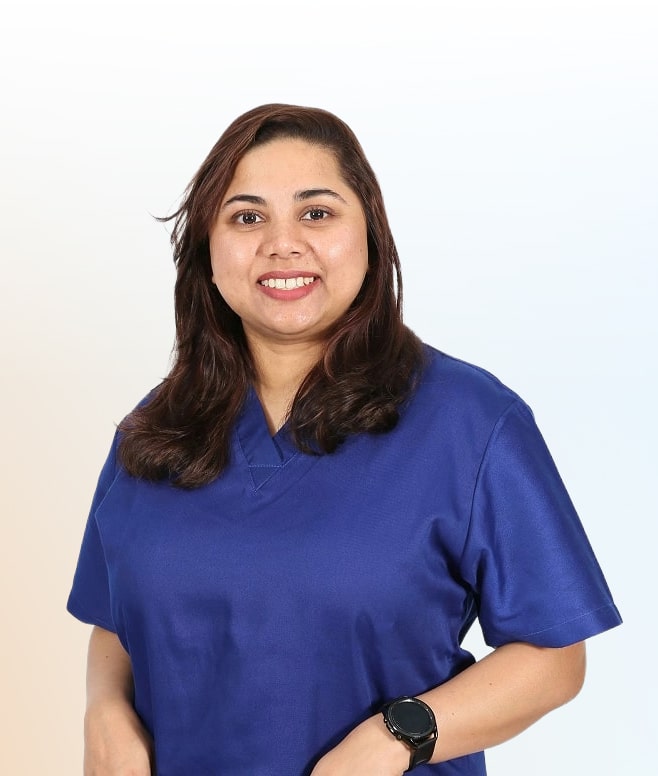
Dr. Bashi offers preventive, restorative, paediatric, endodontic, prosthodontic, and minor oral surgery care in both private and community settings. Her background in clinical dentistry and public health shapes her patient-focused approach, particularly in education and prevention. She communicates clearly with patients of all ages and is committed to providing care that is personalised and responsive to each patient’s unique needs and treatment goals.
During her postgraduate studies, she completed an internship with a healthcare consulting team, contributing to public health projects in various regions. She continues to pursue professional development and enjoys combining clinical care with broader health perspectives. In her spare time, she enjoys basketball, scenic photography, video editing, travel, and exploring diverse cuisines.
Dr. Bashi completed her Bachelor of Dental Surgery at the University of Peradeniya in Sri Lanka before gaining registration to practise in the country.
- Dr. Bashi is a member of the Australian Dental Association and follows its standards for continuing education and ethical patient care.
- She is also registered with the Sri Lanka Medical Council, reflecting her international clinical training and professional background.
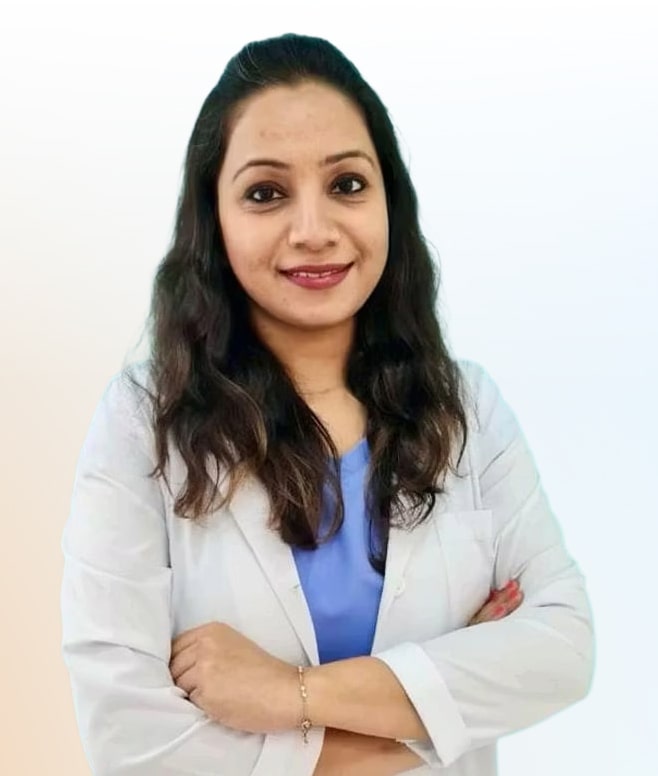
Dr. Neha is a general dentist with postgraduate training in paediatric dentistry and over 13 years of clinical experience. She worked for nine years in Abu Dhabi, focusing on children's oral health. She recently gained her local registration through the Australian Dental Council and now provides care to patients of all ages, including restorative, preventive, and paediatric dentistry.
She has a particular interest in root canal therapy, minimally invasive treatment, and inhalation sedation for anxious patients. She values communication and clarity in every appointment and aims to create a calm environment tailored to each patient’s needs. Her interests outside of dentistry include travel, creative writing, and spending time with her family.
Dr. Neha holds a Bachelor of Dental Surgery and a Master’s in Paediatric Dentistry and has worked clinically in Abu Dhabi for over nine years.
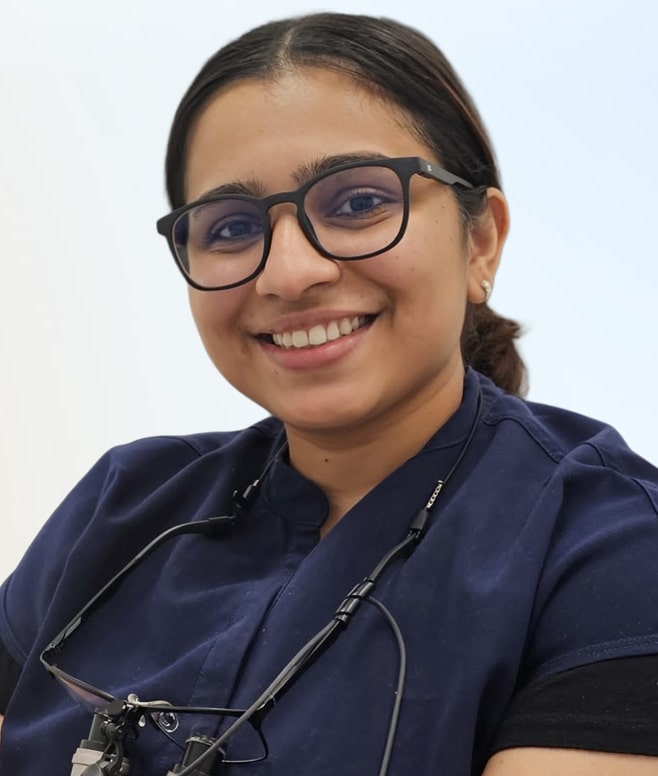
Dr. Karthika completed her Bachelor of Dental Surgery in India and worked in both public and private clinics before settling in Perth. She provides general and restorative care, with a strong interest in preventive dentistry and early intervention. She values collaboration and patient education, helping patients feel more comfortable in making informed choices about their dental care.
She continues to expand her clinical knowledge through continuous professional development. She works gently and thoughtfully with nervous patients, helping them feel more at ease during their appointments. Aside from her work in dentistry, she enjoys gardening, trying new recipes, tackling home DIY projects, and sharing meals with family and friends.
Dr. Karthika earned her Bachelor of Dental Surgery overseas and later gained registration to practise as a general dentist locally.
AFFORDABLE DENTAL CARE
Treatment Fees and Payment Information
Dental Implants – Pricing and Inclusions
Starting from
$4,000 / tooth
Includes implant, abutment, standard crown; excludes extractions, bone grafts, sinus lifts, advanced imaging, sedation; written estimate provided.
- A consultation with a registered practitioner is required to assess suitability and discuss potential risks and benefits.
- Treatment generally involves surgical placement of an implant followed by restoration with a crown or bridge.
- Fees vary based on implant type, jawbone condition, and required preparatory procedures.
- An OPG scan may be needed for planning and billed separately.
Payment Options
Clear Aligners – Pricing and Inclusions
Starting from
$5,000 to $9,000
- Treatment costs usually include custom aligners tailored to each stage of your treatment plan.
- Aligners are changed every few weeks to guide gradual movement as prescribed.
- Review appointments are scheduled to monitor progress and refine treatment as necessary.
- Retainers may be required following treatment and may involve an additional fee.
Payment Options
NEED TO KNOW
Frequently Asked Questions
What is the process of getting dental implants like?
Dental implants are placed over multiple appointments, usually spanning several months, depending on individual needs. Each stage plays a role in preparing the mouth, placing the implant, and restoring the missing tooth.
Below are the steps involved in the process:
- Comprehensive consultation and assessment:
Your dentist will review your medical and dental history. They will also examine your teeth, gums, and jawbone using imaging, such as X-rays or 3D scans, to evaluate whether implants are appropriate in your case. This information helps develop a personalised treatment plan. - Preparatory treatments (if required):
Procedures like bone grafting or sinus lifts may be recommended when there isn’t enough bone volume in the jaw. These treatments aim to create suitable conditions for placing a stable implant. - Implant placement:
The implant post is placed into the jawbone during a surgical procedure performed under local anaesthesia. A healing cap is often added to protect the site and contour the gum during healing. - Healing and osseointegration:
Over the next few months, the surrounding bone gradually anchors the implant in place—a process known as osseointegration. This creates a firm foundation for the replacement tooth. - Abutment placement:
Once healing is complete, a small connector called an abutment is attached to the implant. This piece links the implant with the final restoration.
Final crown or prosthesis placement: Depending on the number of teeth being replaced, a custom-made crown, bridge, or denture is created. The restoration is designed to blend in with your natural teeth in shape and colour.
How long does a dental implant procedure take?
In many cases, the surgical insertion of a titanium implant may take one to two hours per implant. However, this can vary depending on the clinical situation and complexity of the case.
Below are the factors that may influence the length of the dental implant procedure:
- Number of implants placed:
Placing more than one implant during the same visit, especially in different areas of the mouth, may increase the overall procedure time. - Location of the implant site:
Posterior (back) teeth or sites with limited access may require more time than the front teeth. - Bone condition:
An irregular bone shape or reduced bone volume may require additional time for implant positioning or bone preparation. - Additional procedures:
If tooth removal, bone grafting, or guided surgical techniques are performed simultaneously, the procedure may take longer. - Anaesthesia and preparation time:
The appointment length may vary depending on how quickly the anaesthesia takes effect and the surgical site is prepared.
Are dental implants painful during or after surgery?
Dental implant placement is generally well tolerated, and significant pain during the procedure is uncommon. Local anaesthesia and appropriate post-operative care reduce the likelihood of significant discomfort.
During the procedure:
- Numbness and pressure:
Local anaesthesia is used to numb the surgical site, so you are unlikely to feel pain. It’s common, however, to feel some pressure, movement, or vibrations as the implant is positioned. - Occasional discomfort:
In rare cases, some individuals may experience discomfort towards the end of the procedure as the anaesthesia starts to wear off. The dental team can respond promptly to manage this. - Awareness and relaxation:
Although you remain conscious during the dental implant procedure, the environment is usually calm. Sedation options may be available for patients who experience nervousness or anxiety.
After the procedure:
- Tenderness and swelling:
Mild to moderate tenderness, swelling, or bruising near the implant site is common. These symptoms often peak within the first 48 hours. - Dull aching or pressure:
Some individuals experience a throbbing or heavy sensation in the jaw, similar to post-extraction discomfort. - Managing discomfort:
Discomfort is often managed with over-the-counter medication. In some cases, your dentist may recommend additional pain relief based on your needs.
At our clinic, we provide clear guidance on what to expect before and after your dental surgery in Perth. Schedule a consultation to discuss your treatment and recovery.
Are there risks or complications associated with dental implants?
Like any surgical procedure, dental implant placement carries some risks. While complications are uncommon, it’s helpful to understand the potential issues that may occur during or after treatment.
The following are some known risks associated with dental implants:
- Infection at the implant site:
Bacteria can enter the area during or after surgery, leading to localised infection. This risk may be reduced with good oral hygiene and post-operative care. - Implant failure or lack of integration:
In some cases, the implant may not bond properly with the jawbone. Contributing factors may include reduced bone quality, smoking, or early loading of the implant. - Nerve irritation or injury:
If the implant is placed close to a nerve, it may cause numbness, tingling, or altered sensation in the lips, chin, or tongue. This is uncommon and often temporary, but it can persist in some situations. - Sinus complications (for upper implants):
Implants placed in the upper jaw may extend into the sinus cavity if there is limited bone height. In such cases, procedures like sinus lifts may be considered. - Allergic reaction (rare):
Some individuals may have a sensitivity to titanium dental implants. In these cases, ceramic alternatives, such as zirconia implants, may be considered.
What makes someone a poor candidate for dental implants?
Dental implants are not suitable for everyone. Certain medical conditions, oral health issues, or lifestyle factors may increase the risk of complications or reduce the likelihood of long-term success.
Below are some common reasons why a person may not be an ideal candidate for implant treatment:
- Insufficient bone density:
If there is not enough bone in the jaw to stabilise the implant, procedures like bone grafting may be needed. In severe cases, bone loss may limit the feasibility of implant placement without additional support. - Uncontrolled medical conditions:
Health conditions, such as poorly managed diabetes or autoimmune disorders, can impair healing and may affect how well the implant integrates with the bone. - Active gum disease:
Unaddressed periodontal disease can compromise the tissues surrounding an implant, making treatment less predictable until the condition is managed. - Heavy smoking:
Tobacco use is associated with higher implant failure rates due to its impact on blood circulation and healing ability. - Bruxism (teeth grinding):
Chronic grinding or clenching can place excessive force on implants, potentially leading to instability or damage over time. - Poor oral hygiene habits:
A history of inconsistent dental care or poor plaque control can raise the risk of gum inflammation and peri-implant disease.
If you’re considering dental implants in Perth, we’ll begin with a comprehensive dental and medical assessment. This helps determine suitability and whether any additional steps are needed.
Can I get dental implants if I have missing or decayed teeth?
Dental implants are commonly used to replace missing teeth or teeth that are too damaged to restore. However, the condition of your gums, bone, and overall oral health will influence whether implant treatment is appropriate.
- Missing teeth:
If a tooth has already been lost, an implant may be placed after evaluating the site for bone volume and gum health. In some cases, bone grafting may be required if there has been bone loss over time. - Decayed teeth:
When a tooth cannot be restored, it may be extracted and later replaced with an implant. In some situations, the implant may be placed during the same appointment as the extraction. This depends on factors like bone health and the presence of an infection.
To determine if implants are suitable in such cases, a thorough assessment is carried out at our dental implant clinic in Perth. This includes imaging and a review of your oral and medical health to determine if any preparatory procedures are necessary.
Do dental implants look and feel like natural teeth?
Dental implants are designed to replicate the look and function of natural teeth. Many people find that they blend in well with their smile and feel comfortable in everyday use.
Here are some ways implants resemble natural teeth:
- Natural appearance:
The crown is custom-made to match the colour, shape, and size of your nearby teeth, resulting in a natural and seamless appearance. - Tooth-like feel:
Since implants are anchored in the jaw, they feel stable during biting, chewing, and speaking, similar to natural teeth. - No movement or slipping:
Implants stay in place and do not shift during eating or talking, unlike removable dentures. - Gum line integration:
In many cases, the gum tissue contours around the crown, creating a lifelike appearance at the gum line. - Balanced bite and function:
Implants can help restore chewing strength and bite alignment, supporting comfortable speech and eating.
How long do dental implants typically last?
Dental implants are a long-term missing teeth replacement option. The lifespan of dental implants varies between individuals. With proper care, the implant post may remain functional for many years, sometimes up to 20. Meanwhile, the attached restoration (crown, bridge, or denture) may need replacement after approximately 5-15 years.
Several factors can influence their longevity:
- Oral hygiene habits:
Daily brushing, flossing, and routine dental visits help reduce the risk of gum inflammation and implant-related complications. - Bite pressure and grinding:
Excessive biting forces or teeth grinding (bruxism) can place strain on the implant or attached restoration, potentially leading to wear or damage. - Smoking and general health:
Tobacco use and certain medical conditions, such as diabetes, may affect healing and increase the risk of implant complications over time. - Placement site and bone quality:
Implants in areas with greater chewing pressure, such as the back molars, may experience more wear than those placed in lower-stress locations. - Professional maintenance:
Regular professional cleaning and monitoring enable the early detection of issues, which may contribute to a longer implant lifespan.
What are the benefits of choosing dental implants over dentures or bridges?
Dental implants are one of several options for replacing missing teeth, offering specific advantages in certain clinical situations.
Here are some reasons people consider them instead of dentures or bridges:
- Stability and comfort:
Implants are supported by the jawbone, which helps them remain stable during eating and speaking, unlike removable dentures that may shift. - Preservation of bone:
One of the key benefits of dental implants is their ability to stimulate the jawbone, much like natural tooth roots. Unlike dentures or bridges, which do not engage the bone in the same way, implants may help slow or reduce bone loss over time. - No impact on surrounding teeth:
Implants are self-supporting and do not rely on neighbouring teeth. Unlike bridges, they don’t require nearby healthy teeth to be trimmed or altered. - Natural appearance and function:
Implants are intended to look and function much like natural teeth, without visible clasps or movement. - Long-term durability:
With ongoing care, implant posts may remain in place for 20 years. Meanwhile, dentures and bridges usually need replacement or adjustment sooner. - Comfort in daily life:
The stable fit and natural appearance of implants may help improve comfort when smiling, speaking, or eating.
What is the recovery period like after dental implant surgery?
Recovery after dental implant surgery varies between individuals but generally follows a predictable pattern. Many people return to routine activities within a few days, although full healing takes place over several months.
Here’s what to expect:
- First 24–48 hours:
Mild swelling, bruising, or tenderness near the implant site is common. Soft foods and rest are often recommended during this early stage. - First week:
Discomfort generally improves within a few days, though individual dental implant recovery times may vary. Stitches may dissolve naturally or be removed during a follow-up visit. - Three to six months:
The implant bonds with the jawbone through a process called osseointegration. During this time, follow-up appointments are used to check progress. A temporary crown, healing cap, or cover screw may be placed until the final restoration is ready.
Healing may be influenced by the number of implants placed, the need for bone grafting, general health, and how the body responds to treatment. Your dentist will provide aftercare instructions and schedule follow-up appointments to monitor your healing progress.
Can I get a dental implant immediately after tooth extraction?
In some cases, a dental implant may be placed during the same appointment as a tooth extraction. This is known as immediate implant placement and is only considered when specific clinical conditions are met.
The following factors are usually assessed before deciding on this approach:
- Bone quality and volume:
There must be sufficient healthy bone at the extraction site to provide initial stability for the implant. If the bone is thin, damaged, or insufficient, additional procedures may be required first. - Absence of infection:
The area should be free from active infection to reduce the risk of complications and promote favourable healing conditions. - Location of the tooth:
Implants in front teeth may be more suitable for immediate placement due to bone structure and lower biting forces. Molars often require additional healing time. - Gum and tissue health:
Healthy gum tissue may improve outcomes. If there is inflammation or tissue loss, delayed placement may be a more suitable option. - Patient health and habits:
Factors like smoking or certain medical conditions can affect healing and may influence the timing of implant placement.
A dental assessment, including imaging, is usually used to evaluate whether immediate placement is suitable.
Is there an age limit for getting dental implants?
Dental implants may be suitable for adults of various ages. Rather than focusing on age itself, dentists assess whether each patient has the right conditions for successful treatment.
- In younger patients:
Implants are usually delayed until jaw growth is complete. Placing an implant too early may affect its position as the jaw continues to develop. - In older adults:
Implants can be placed later in life if health and bone conditions are suitable. Research has shown high long-term success rates in older individuals.
Below are the key considerations for all ages:
- Jawbone quality and volume:
A certain amount of bone is needed to hold the implant securely. If bone has been lost, grafting may be recommended before treatment. - Presence of gum disease or infection:
Active gum disease or infection near the implant site must usually be addressed first, as it can interfere with healing and implant stability. - Medical conditions like diabetes or osteoporosis:
Conditions that affect healing or bone health may influence the planning or timing of treatment. - Commitment to long-term oral hygiene:
Ongoing care like brushing, flossing, and regular dental check-ups helps reduce the risk of complications over time.
What happens if I don’t replace a missing tooth?
Leaving a gap after losing a tooth can affect both your oral health and daily function. While the impact may not be immediate, several changes can occur over time if the space is not restored.
Here are some of the possible consequences of not replacing a missing tooth:
- Shifting of nearby teeth:
Adjacent teeth may move into the space over time, affecting your bite and alignment. This can make chewing less efficient and complicate future dental treatment. - Bone loss in the jaw:
Without a tooth root to stimulate it, the jawbone in the area can shrink. This process, known as bone resorption, may change facial shape and affect future treatment options. - Chewing and speech changes:
Losing teeth—especially back molars or front teeth—can affect your ability to chew certain foods or pronounce some words clearly. - Risk of gum and bite problems:
When teeth shift into the gap, bite misalignment may occur, which can lead to jaw discomfort or uneven tooth wear. Gaps can also be harder to clean, increasing the risk of gum inflammation.
How do I take care of dental implants after surgery?
Leaving a gap after losing a tooth can affect both your oral health and daily function. While the impact may not be immediate, several changes can occur over time if the space is not restored.
Here are some of the possible consequences of not replacing a missing tooth:
- Shifting of nearby teeth:
Adjacent teeth may move into the space over time, affecting your bite and alignment. This can make chewing less efficient and complicate future dental treatment. - Bone loss in the jaw:
Without a tooth root to stimulate it, the jawbone in the area can shrink. This process, known as bone resorption, may change facial shape and affect future treatment options. - Chewing and speech changes:
Losing teeth—especially back molars or front teeth—can affect your ability to chew certain foods or pronounce some words clearly. - Risk of gum and bite problems:
When teeth shift into the gap, bite misalignment may occur, which can lead to jaw discomfort or uneven tooth wear. Gaps can also be harder to clean, increasing the risk of gum inflammation.
Does Beyond Smiles Dental offer payment plans for dental implants?
Yes, Beyond Smiles Dental offers flexible payment plans to make dental implants more accessible by spreading the cost over time. These options allow eligible patients to pay in instalments rather than all at once:
- Afterpay:
This service allows you to divide the total treatment cost into four interest-free payments, made fortnightly. - DentiCare:
DentiCare provides customised dental payment plans with no interest, where payments are made through direct debit over an agreed period. - Laybuy:
Laybuy lets you pay for your treatment over six weekly instalments, interest-free, helping you spread the cost without added charges.
If you’re concerned about dental implant cost in Perth, we’ll guide you through payment options to find a plan that suits your budget.