

















Preventive Dental Care with Fluoride Treatments in Perth
Protect Your Smile
Supporting Strong Teeth and Healthy Smiles with Fluoride Treatments
Tooth decay remains one of the most common dental issues affecting children and adults alike. Daily brushing and good habits help maintain oral health. Still, enamel may weaken over time due to acidic foods, sugar, or inconsistent hygiene routines. Once the enamel breaks down, it doesn’t regenerate, making early intervention essential. With preventive care, early enamel changes may be identified and managed to support comfort, reduce risks, and maintain oral health.
Fluoride treatments are a simple, evidence-based way to support dental health. When provided in a dental setting, fluoride may support enamel strength and reduce loss. It may also slow early decay in areas that are hard to clean or more prone to cavities.
Eligible Candidates
Are Fluoride Treatments Right for Your Dental Needs?
Fluoride treatments may be recommended for different individuals based on their age, oral health history, and risk of decay. The following groups may benefit from fluoride as part of a preventive dental care plan tailored to their specific needs and risk factors.
1 Children with early enamel wear
2 Teens with orthodontic appliances
3 Adults with dry mouth
4 Patients with high decay risk
Book Your Child’s First Dental Visit
Start your child’s oral health journey with support and care. Schedule their first dental visit at our friendly, child-focused dental clinic in Perth.

Treatment Advantages
What You Can Expect from Fluoride Treatments
Supports enamel health
Professional fluoride applications can help strengthen the tooth surface. This may make enamel more resistant to everyday acids from food and drinks.
Helps reduce decay risk
Fluoride use may assist in slowing early signs of tooth decay, particularly in areas that are harder to reach with brushing and flossing alone.
Part of preventive care
When combined with brushing, flossing, and regular check-ups, fluoride treatments can provide added support for patients at higher risk of decay.
Smile Concerns Addressed
Dental Concerns That Fluoride Treatments Can Help Manage
Tooth enamel demineralisation
Enamel can soften after repeated exposure to acids from food, drinks, or bacteria. Dentist-supervised fluoride care may help support remineralisation and protect the tooth surface from further weakening.

Early childhood tooth decay
Children who are still developing brushing habits may be at higher risk of cavities. Fluoride applications provided in a clinical setting may assist in lowering this risk during tooth development.

Sensitivity from enamel thinning
When enamel wears down, the underlying dentin can become exposed and trigger sensitivity. Fluoride treatments may strengthen enamel and help reduce discomfort triggered from hot, cold, or acidic foods and drinks.

White spot lesions after orthodontics
Plaque around braces may cause white spots, which indicate early mineral loss. Fluoride applications can be included in a care plan to help support enamel health during or after orthodontic treatment.
Accessible Dental Care
Payment and Funding Options for Eligible Patients
We provide information about available payment and funding options that eligible patients may access to assist with managing treatment costs.
Disclaimer:
- Flexible payment options are available (e.g. Afterpay, Denticare, SuperCare).
- All payment plans and subsidies are subject to provider eligibility criteria, approval processes, and individual circumstances.
- Terms, conditions, fees, and lending criteria apply.
- Please speak with our team for full details before proceeding.
Afterpay
Afterpay enables eligible patients to spread dental treatment costs across four instalments. This option may assist with scheduled payments. Terms and conditions apply, and patients should confirm their eligibility before using this service.
Learn MoreDenticare
Denticare provides approved payment plan options for eligible patients. This option is subject to approval and eligibility criteria, and patients should confirm details directly with Denticare before starting treatment.
Learn More

Health Funds
We accept most major health funds for eligible dental services. Benefit amounts differ by fund and level of cover. Patients should confirm entitlements with their health fund before treatment, as benefits and gap payments vary between providers.
Learn MoreSuperCare
Through SuperCare, eligible patients may apply for early release of superannuation to fund approved dental treatments. This process is subject to ATO approval and strict eligibility criteria. Patients should confirm their eligibility before undergoing a procedure.
Learn MoreMPDSS
The Metropolitan Patient Dental Subsidy Scheme (MPDSS) may provide eligible patients with subsidised dental care. Availability depends on specific criteria set by government health services. Patients should confirm eligibility and conditions with their local health authority before booking.
Learn MoreCDBS

The Child Dental Benefits Schedule (CDBS) provides eligible children aged 0–17 with access to certain dental services, funded by Medicare. Conditions and annual limits apply. Parents should confirm eligibility through Medicare before commencing treatment under the scheme.
Learn MoreDVA
Dental care may be available to eligible Department of Veterans’ Affairs (DVA) health card holders. Treatment and benefits depend on card type and entitlements. Patients must confirm eligibility and requirements with DVA before accessing services.
Learn MoreHealth Funds
We Accept Most Health Funds for Transparent, Easy-to-Manage Dental Visits
Meet Your Dentists
Dedicated Dental Team Focused on Comfort and Care
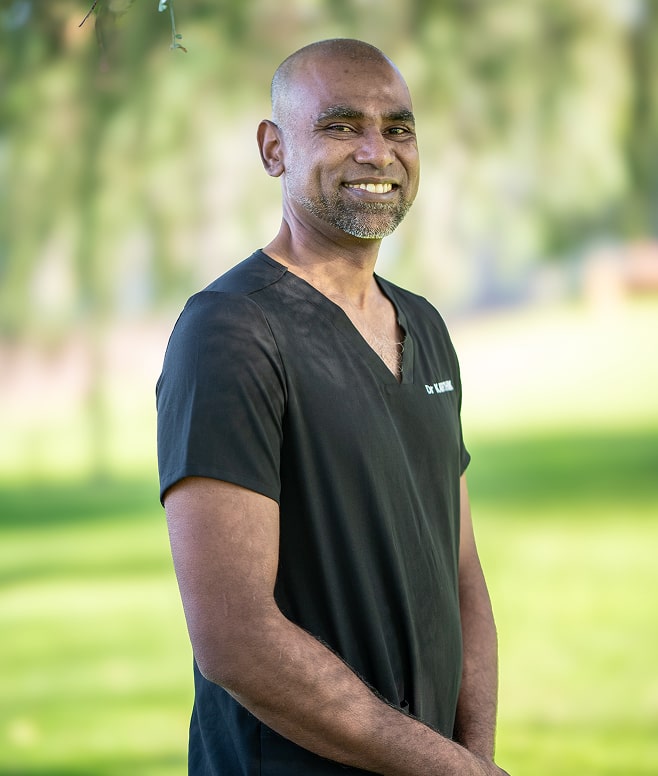
Dr. Karthik is a fully qualified dentist with more than 23 years of clinical experience. Since completing his Bachelor of Dental Surgery in 2002, he has developed a strong interest in surgical procedures, dental implantology, and clear aligner systems. He holds a Master’s degree in Clinical Implantology from UCLA and has undergone comprehensive training in digital treatment planning and orthodontic aligner therapy.
His work is primarily focused on surgical extractions, implant placement, and managing complex treatment plans. He is dedicated to continuous learning and consistently integrates evidence-based techniques into his daily practice. Outside of dentistry, he enjoys playing backyard cricket and badminton with his sons, as well as practising mindfulness and maintaining a balanced lifestyle.
Dr. Karthik earned a Master’s in Clinical Implantology from UCLA, focusing on implant systems, surgical techniques, and oral rehabilitation.
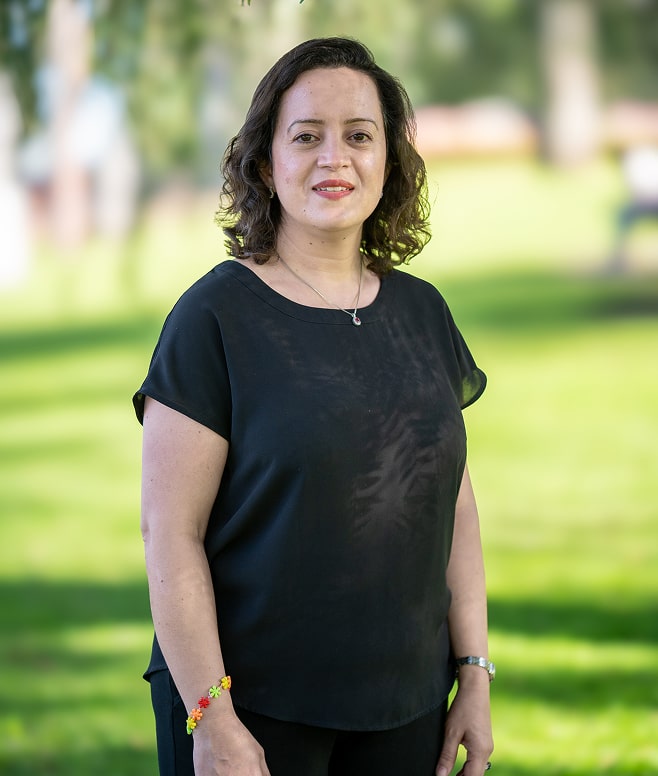
Dr. Behnoush is a dentist with more than 15 years of clinical experience. She gained her qualification through the Australian Dental Council in 2008 and has been practising in the country since 2009. She communicates clearly with patients and takes time to explain treatment options, especially during procedures that may be new or feel overwhelming.
She provides care across all aspects of general dentistry, with special interests in Invisalign, cosmetic treatments, and restorative work, such as crowns and bridges. She is dedicated to continuous learning and regularly attends continuing education programs. Outside of dentistry, she enjoys family time, active living, and being engaged in her local community.
Dr. Behnoush is a member of the Australian Dental Association and upholds national clinical standards and professional codes of conduct.
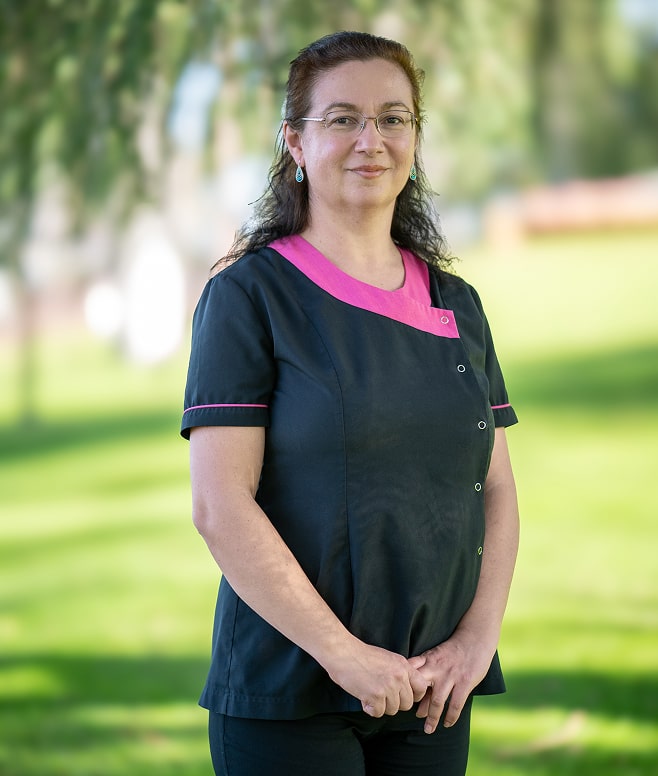
As a Senior Dentist, Dr. Julija focuses on preventive care and communication. She completed her Bachelor of Dental Surgery in 2006 and has more than 15 years of experience. Her calm, friendly approach helps patients feel at ease. She takes the time to explain treatment options and values building lasting relationships through clear and respectful communication.
She provides a wide range of dental services, including preventive, cosmetic, paediatric, extraction, and alignment treatments. She tailors treatment plans to each individual and stays current with evolving techniques. She enjoys cooking and cycling and regularly joins her family in the City to Surf walking challenge, combining fitness with community involvement.
Dr. Julija participates in professional development courses both domestically and internationally to stay current with the latest developments in dentistry.
Dr. Julija is a member of the Australian Dental Association - Western Australia (ADAWA), upholding ethical practice and professional standards in dentistry.
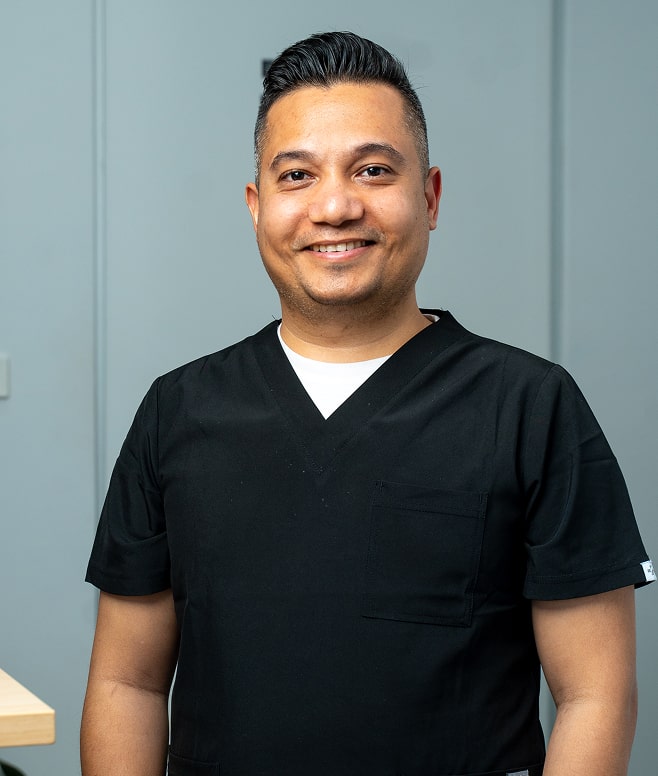
Dr. Siddharth is a dentist providing prosthodontic and implant care. He also provides restorative care, including dentures, crowns and bridges, veneers, and full mouth rehabilitation. He focuses on detail and long-term treatment planning, using a methodical approach shaped by patient goals and needs. His calm and clear communication helps patients navigate their treatment with clarity and understanding.
He enjoys creative pursuits, such as drawing, sketching, cooking, and dancing. These interests reflect his attention to shape, form, and balance—qualities that align with his approach to dental restoration and aesthetics. He works closely with patients on treatment options that are functional and designed with comfort and longevity in mind.
Dr. Siddharth completed his dental degree in India prior to registering locally, adding international clinical training to his restorative and implant work.
- Dr. Siddharth is a Fellow of the Indian Society of Oral Implantologists (ISOI), a professional body dedicated to implant training and clinical development.
- He also holds a Fellowship with the International Congress of Oral Implantologists (ICOI), an organisation that promotes global collaboration in implant dentistry.
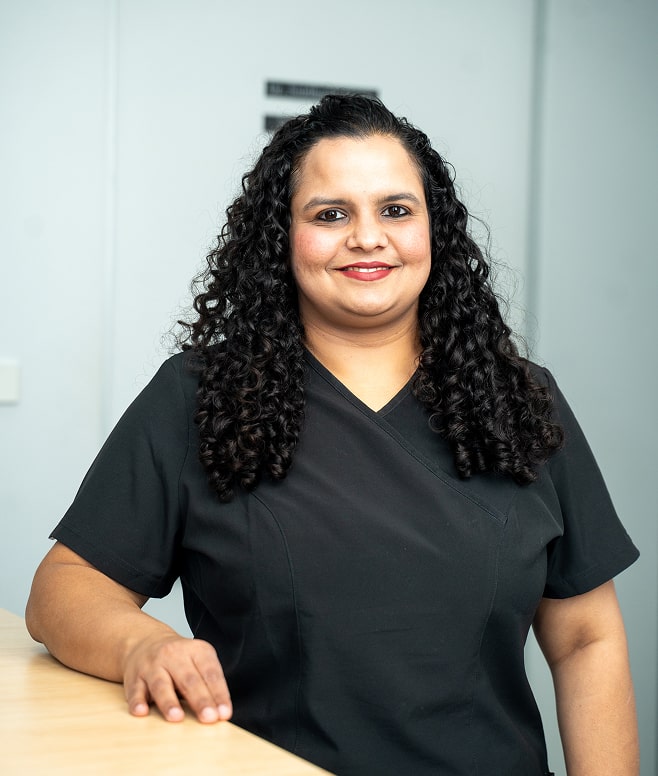
Dr. Abha is a dentist with a Master’s degree in Periodontology and Implantology. She gained her dental qualification in India and registered with the Australian Dental Council. Her background in surgical and implant dentistry is combined with a calm, clear approach to patient care. She focuses on communication and helping patients understand treatment options that suit their individual needs.
She provides preventive, surgical, and implant treatment with careful attention to detail. She applies modern techniques guided by current research and encourages patients to remain committed to their oral health. Outside of dentistry, she spends her time with family, reading, listening to music, travelling, and exploring new places and cultures.
- Dr. Abha completed a Master’s degree in Periodontology and Implantology in India before gaining registration to practise dentistry locally.
- She frequently attends workshops and conferences domestically and internationally to maintain knowledge of current trends and developments in clinical techniques.
- Dr. Abha is a Fellow of the International Congress of Oral Implantologists (ICOI), an international organisation focused on education in implant dentistry.

Dr. Amy joined the team after completing her Doctor of Dental Medicine at the University of Western Australia. She also holds a PhD in Materials Science from Curtin University, which provided valuable insight into dental materials and their clinical performance. She provides general dental care with a particular interest in implants, orthodontics, and clear aligner treatment, such as Invisalign.
She engages in continuing professional education to stay aligned with advancements in general and restorative dentistry techniques. She takes care to create a calm, comfortable environment, especially for patients who may feel anxious about dental visits. She is fluent in both Mandarin and Cantonese and communicates clearly with patients of all backgrounds.
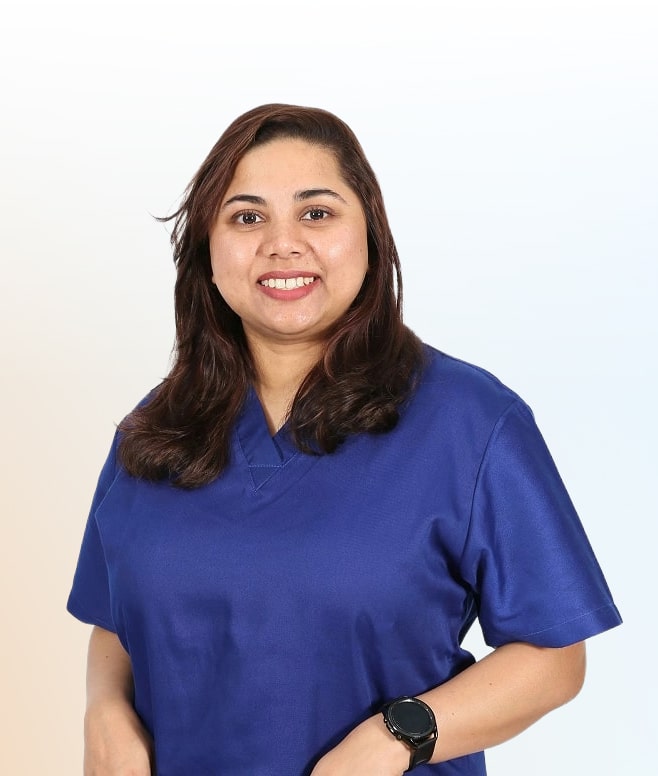
Dr. Bashi offers preventive, restorative, paediatric, endodontic, prosthodontic, and minor oral surgery care in both private and community settings. Her background in clinical dentistry and public health shapes her patient-focused approach, particularly in education and prevention. She communicates clearly with patients of all ages and is committed to providing care that is personalised and responsive to each patient’s unique needs and treatment goals.
During her postgraduate studies, she completed an internship with a healthcare consulting team, contributing to public health projects in various regions. She continues to pursue professional development and enjoys combining clinical care with broader health perspectives. In her spare time, she enjoys basketball, scenic photography, video editing, travel, and exploring diverse cuisines.
Dr. Bashi completed her Bachelor of Dental Surgery at the University of Peradeniya in Sri Lanka before gaining registration to practise in the country.
- Dr. Bashi is a member of the Australian Dental Association and follows its standards for continuing education and ethical patient care.
- She is also registered with the Sri Lanka Medical Council, reflecting her international clinical training and professional background.
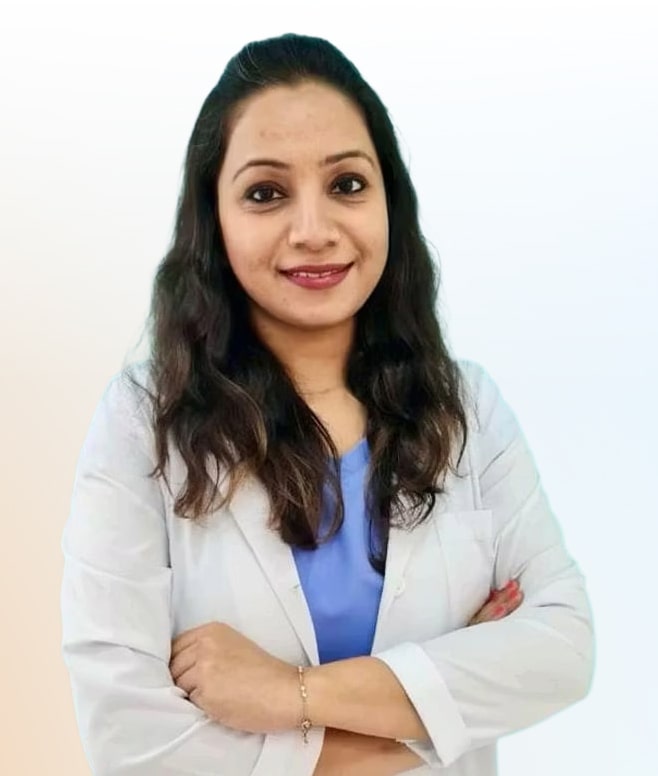
Dr. Neha is a general dentist with postgraduate training in paediatric dentistry and over 13 years of clinical experience. She worked for nine years in Abu Dhabi, focusing on children's oral health. She recently gained her local registration through the Australian Dental Council and now provides care to patients of all ages, including restorative, preventive, and paediatric dentistry.
She has a particular interest in root canal therapy, minimally invasive treatment, and inhalation sedation for anxious patients. She values communication and clarity in every appointment and aims to create a calm environment tailored to each patient’s needs. Her interests outside of dentistry include travel, creative writing, and spending time with her family.
Dr. Neha holds a Bachelor of Dental Surgery and a Master’s in Paediatric Dentistry and has worked clinically in Abu Dhabi for over nine years.
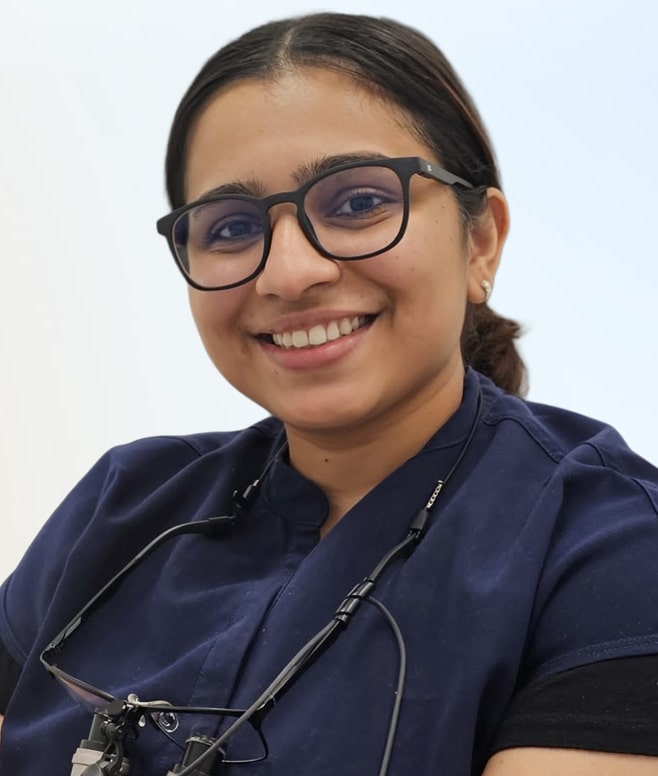
Dr. Karthika completed her Bachelor of Dental Surgery in India and worked in both public and private clinics before settling in Perth. She provides general and restorative care, with a strong interest in preventive dentistry and early intervention. She values collaboration and patient education, helping patients feel more comfortable in making informed choices about their dental care.
She continues to expand her clinical knowledge through continuous professional development. She works gently and thoughtfully with nervous patients, helping them feel more at ease during their appointments. Aside from her work in dentistry, she enjoys gardening, trying new recipes, tackling home DIY projects, and sharing meals with family and friends.
Dr. Karthika earned her Bachelor of Dental Surgery overseas and later gained registration to practise as a general dentist locally.
THINGS TO KNOW
Frequently Asked Questions
What is fluoride treatment for children?
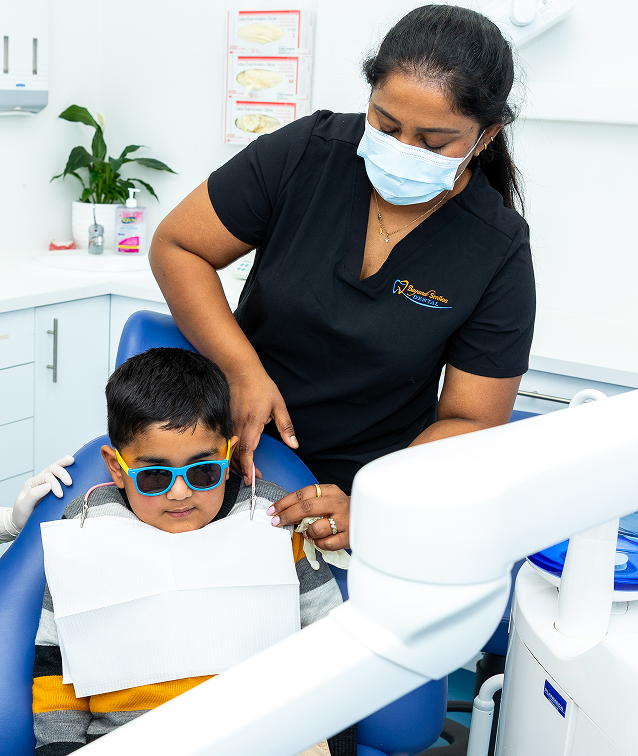
Fluoride treatment for children involves applying a concentrated solution to young teeth, which may strengthen enamel and lower decay risk. This treatment is commonly administered as a gel, foam, or varnish during routine dental visits. It typically takes only a few minutes to complete.
At Beyond Smiles Dental, we offer fluoride treatment for children in Perth as part of a proactive, preventative care plan. It may help reinforce tooth structure and lower cavity risk during early dental development.
Children can develop good oral habits with daily brushing, flossing, and a balanced diet. Professional fluoride applications may provide added support during growth.
Is fluoride safe for children?
When used appropriately under professional guidance, fluoride is considered adequate and low-risk for children. It may help prevent tooth decay by strengthening enamel, making it more resistant to acid attacks.
Children’s dental fluoride treatments are supported by research and are considered both effective and low-risk when administered by a dental professional. The fluoride used during in-clinic applications is carefully measured to suit a child’s age and specific oral health needs.
Parents should supervise young children during brushing to help them use only a pea-sized amount of fluoride toothpaste. This also helps reduce the risk of swallowing.
What are the risks of fluoride treatment for kids?
Fluoride treatment is generally considered low-risk when provided by a dental professional. However, like any preventive procedure, it’s important to understand the potential, though minimal, risks:
- Dental fluorosis:
This is the most commonly discussed risk. It occurs when excessive fluoride is ingested over time while teeth are still developing (usually under age 8). Mild fluorosis may appear as faint white streaks on the teeth, but it is purely cosmetic and doesn’t affect tooth function. - Swallowing fluoride during treatment:
While the amount used in professional treatments is small, young children may sometimes swallow fluoride gel or varnish. Dentists take precautions to minimise this, such as using minimal amounts and supervising closely during the procedure. - Allergic reactions (extremely rare):
Although this is very uncommon, some children may experience mild irritation or sensitivity after fluoride application. If your child has a known allergy or sensitivity to dental materials, please inform the dentist in advance.
With proper assessment and dosage, fluoride can be an effective option for reducing decay risk in children.
What happens during a child’s dental checkup?
A child’s dental check-up is designed to be supportive and educational. Dental check-ups are intended to help children become more familiar with the dental environment. These visits may support the development of positive oral health habits.
Here’s what typically happens during a child’s check-up:
- Warm welcomes and familiarisations:
The child is introduced to the dental clinic, and the visit may be explained in age-appropriate language. - Oral examination:
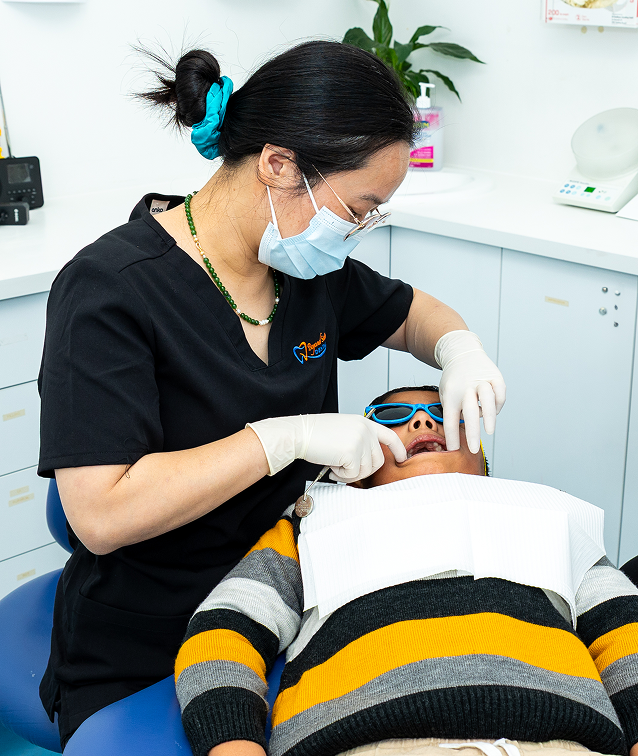
The dentist will gently examine your child’s teeth, gums, bite, and jaw to assess their development. They will also check for signs of tooth decay, plaque, or other issues. - Professional clean (if appropriate):
A cleaning may be performed to remove plaque and tartar buildup, depending on the child’s needs. - Fluoride application or fissure sealants:
Depending on age and risk of decay, fluoride treatment or sealants may be recommended to support enamel condition. - Education and hygiene guidance:
Advice on brushing, flossing, and diet may be provided to support home oral care routines. - Discussion and follow-up:
The dentist will review the findings with you and accommodate any questions you may have. They will also recommend a follow-up schedule, usually every 6 to 12 months, based on your child’s individual needs.
Why do dentists recommend fluoride for kids?
Dentists may recommend fluoride to help reduce cavity risk in children as their teeth develop. Fluoride strengthens tooth enamel, promotes remineralisation in weakened areas, and reduces the risk of cavities over time.
Here’s why it’s commonly recommended:
- Fluoride helps rebuild enamel that has started to break down. This process, known as remineralisation, can reverse the early stages of tooth decay before a cavity forms.
- It makes teeth more resistant to acid attacks from bacteria and sugars. This is particularly helpful for children who consume sugary snacks or drinks.
- Fluoride supports the durability of both baby and adult teeth. Regular exposure helps promote the development of stronger teeth and may reduce the risk of decay over time.
- It is an evidence-based preventive option. Studies suggest that professional fluoride treatments, combined with daily oral hygiene, may lower cavity risk in children.
At what age should kids start fluoride treatment?
Children can typically begin receiving professional fluoride treatments as soon as their first teeth erupt, usually around six months of age. Starting early may help support developing teeth and encourage good oral health habits as your child grows.
For families seeking fluoride treatment for children in Perth, dentists often recommend introducing topical fluoride during a child’s first dental visit. From there, fluoride application is tailored to each child’s needs. The frequency and type may vary based on their risk of tooth decay, diet, and brushing habits.
Early, regular fluoride treatments may support enamel strength and can be considered part of a preventive care plan where appropriate.
How often should children receive fluoride treatments?
Many children may receive fluoride applications every six months as part of routine dental check-ups, depending on individual needs. However, the exact frequency can vary depending on their risk of tooth decay, diet, and overall oral hygiene habits.
Some children are more prone to cavities due to factors like a history of decay, enamel defects, or frequent sugar intake. These may require more frequent treatments. Your dentist will assess your child’s needs and tailor a preventative plan that offers the right level of protection.
Regular fluoride applications, combined with good at-home care, may help lower the risk of dental problems as your child grows.
What should my child expect during a fluoride treatment at the dentist?
Children’s dental fluoride treatments are usually brief and designed to support comfort while protecting teeth. Here’s what typically happens during the appointment:
- Teeth are gently cleaned and dried.
The dental provider will clean your child’s teeth to remove plaque or food debris. This helps the fluoride adhere more effectively to the tooth surface. - Fluoride is applied directly to the teeth.
A fluoride gel, foam, or varnish is brushed or placed into a mouth tray and applied to the teeth. Varnishes are painted on, while gels or foams may be held in place for a minute or two. - Your child is asked not to eat or drink for a short period.
After the application, children are advised to avoid eating or drinking for 30 minutes. This allows the fluoride to fully absorb into the enamel for maximum effectiveness. - The entire process takes just a few minutes.
The process usually takes only a few minutes and is commonly done at the end of a check-up.
Fluoride applications may be part of preventive dental care and are tailored to each child’s age, dental health, and risk factors.
How do I know if fluoride treatment is right for my child?
Deciding whether your child should receive fluoride treatment depends on their unique oral health profile and risk of tooth decay. A professional assessment during a dental visit will help determine if fluoride is the right option for your child’s needs.
Below are some common reasons a child may benefit from fluoride treatment:
- If there is a history of cavities or early enamel erosion, fluoride may assist in remineralising weakened enamel and lowering future decay risk.
- Young children who are still learning brushing and flossing may be considered for additional fluoride support.
- Children wearing braces may have harder-to-clean areas; fluoride may provide additional support.
After considering these factors, your child’s dentist can offer personalised advice. This helps determine whether fluoride treatment should be included in their preventive care plan.
Are there alternatives to fluoride for kids?
Fluoride is commonly recommended as an evidence-based option for helping reduce tooth decay. However, alternative options are available for children who may be sensitive to fluoride or whose parents prefer a different approach.
Some common alternatives include the following:
- Xylitol-based products:
Xylitol is a natural sweetener that may help reduce the levels of cavity-causing bacteria. It is commonly found in some sugar-free chewing gums and oral rinses designed for children. - Calcium phosphate-based treatments:
These products work to remineralise enamel using ingredients like casein phosphopeptide-amorphous calcium phosphate (CPP-ACP). - Diet and hygiene-focused prevention:
Limiting sugary snacks, encouraging consistent brushing with non-fluoridated toothpaste, and maintaining regular oral exams can help lower the risk of decay. However, these strategies may be less effective without the use of fluoride.
Families exploring alternatives to fluoride treatments in Perth are welcome to discuss their preferences with our team at Beyond Smiles Dental. A dentist can provide advice on evidence-based options for your child’s oral health, which may include fluoride or alternatives.