

















Rebuild Jaw Support with Bone Grafting and Sinus Lifts
FOUNDATION FOR IMPLANTS
How Bone Grafting and Sinus Lifts Support Dental Implants
When a tooth is lost, the jawbone in that area starts to shrink. Over time, this bone loss can make it difficult—or even impossible—to place a dental implant safely. In the upper back jaw, low sinus positioning adds another layer of complexity, reducing space for implant placement. Without adequate bone structure, implants may not integrate properly or remain stable. For some patients, this delay in treatment can be frustrating and may necessitate additional, more complex procedures.
Bone grafting and sinus lifts help overcome these challenges by restoring lost bone and elevating the sinus floor where needed. This may provide strength, height, and foundation for dental implants to integrate and remain stable. Outcomes vary with individual health factors.
POSITIVE OUTCOMES
What You Can Expect from Bone Grafting and Sinus Lifts
Preserve Jawbone Structure
These procedures may reduce the risk of bone loss after tooth removal. Maintaining bone structure helps preserve facial contours and protect nearby teeth from shifting over time.
Create Implant Stability
Increasing bone density and volume may help create conditions for implant placement. Adequate bone may assist fusion with implants, but outcomes vary with oral health and individual factors.
Improve Oral Function
Restoring lost bone can make everyday actions like chewing and speaking feel more natural. It also helps distribute bite forces evenly, reducing strain on remaining teeth.
Discuss Dental Implant Options with a Qualified Practitioner
Considering dental implants in Perth? Our team can provide information about the procedure and assess whether it is appropriate for your oral health needs.

IDEAL CANDIDATES
Who Needs Bone Grafting and Sinus Lifts?
1 Long-Term Tooth Loss
2 Waiting for Implants
3Upcoming Tooth Removal
4 Upper Jaw Concerns
HOW IT WORKS
Your Bone Graft and Sinus Lift Treatment Journey
Implant Consultation
Your dentist will examine your teeth, gums, and jaw to explore your treatment options. Scans and imaging are often used to assess whether grafting or sinus lifts are worth considering.
Graft or Lift Placement
Grafting involves placing material where bone is needed, while a sinus lift adjusts sinus height for treatment readiness. The procedure is usually done under local anaesthesia in a clinical setting.
Healing and Integration
The grafted area needs time to heal and gradually integrate with the surrounding bone. Your dental team will monitor this phase to guide the timing of any future procedures.
Implant or Restoration
When the site has healed sufficiently, implants or restorations may be considered. This decision depends on your progress and how your body responds to the graft.
TREATMENT CAUTIONS
Important Risks and Limitations to Know Before Treatment
1 Healing Times Vary
2 Infection Is Possible
3 Graft May Not Integrate
4 Not Always Suitable
AFFORDABLE DENTAL CARE
Treatment Fees and Payment Information
Dental Implants – Pricing and Inclusions
Starting from
$4,000 / tooth
Includes implant, abutment, standard crown; excludes extractions, bone grafts, sinus lifts, advanced imaging, sedation; written estimate provided.
- A consultation with a registered practitioner is required to assess suitability and discuss potential risks and benefits.
- Treatment generally involves surgical placement of an implant followed by restoration with a crown or bridge.
- Fees vary based on implant type, jawbone condition, and required preparatory procedures.
- An OPG scan may be needed for planning and billed separately.
Payment Options
Clear Aligners – Pricing and Inclusions
Starting from
$5,000 to $9,000
- Treatment costs usually include custom aligners tailored to each stage of your treatment plan.
- Aligners are changed every few weeks to guide gradual movement as prescribed.
- Review appointments are scheduled to monitor progress and refine treatment as necessary.
- Retainers may be required following treatment and may involve an additional fee.
Payment Options
MEET YOUR DENTISTS
Dedicated Dental Team Focused on Comfort and Care
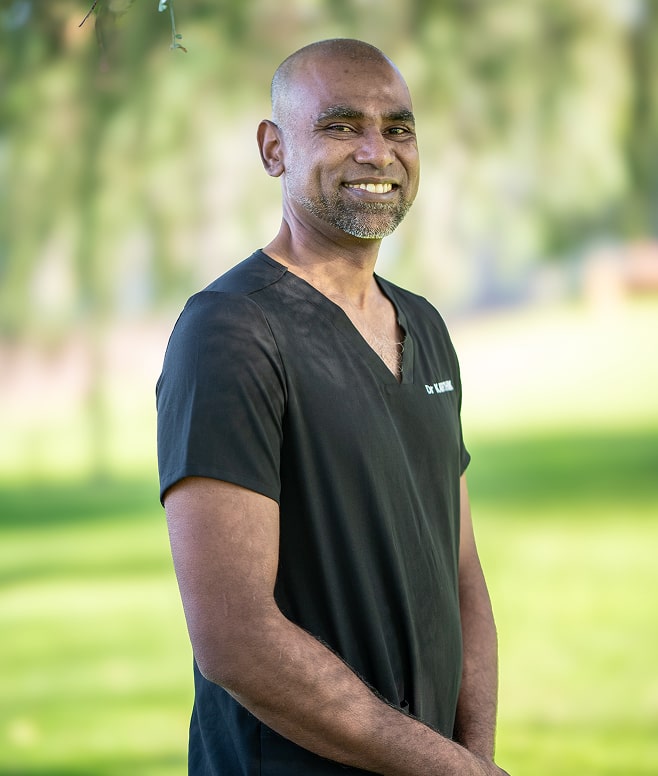
Dr. Karthik is a fully qualified dentist with more than 23 years of clinical experience. Since completing his Bachelor of Dental Surgery in 2002, he has developed a strong interest in surgical procedures, dental implantology, and clear aligner systems. He holds a Master’s degree in Clinical Implantology from UCLA and has undergone comprehensive training in digital treatment planning and orthodontic aligner therapy.
His work is primarily focused on surgical extractions, implant placement, and managing complex treatment plans. He is dedicated to continuous learning and consistently integrates evidence-based techniques into his daily practice. Outside of dentistry, he enjoys playing backyard cricket and badminton with his sons, as well as practising mindfulness and maintaining a balanced lifestyle.
Dr. Karthik earned a Master’s in Clinical Implantology from UCLA, focusing on implant systems, surgical techniques, and oral rehabilitation.
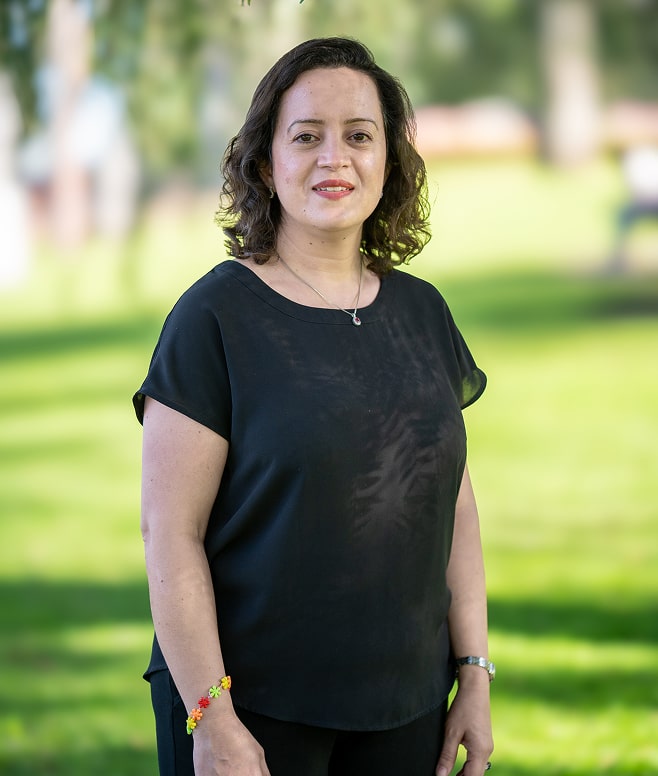
Dr. Behnoush is a dentist with more than 15 years of clinical experience. She gained her qualification through the Australian Dental Council in 2008 and has been practising in the country since 2009. She communicates clearly with patients and takes time to explain treatment options, especially during procedures that may be new or feel overwhelming.
She provides care across all aspects of general dentistry, with special interests in Invisalign, cosmetic treatments, and restorative work, such as crowns and bridges. She is dedicated to continuous learning and regularly attends continuing education programs. Outside of dentistry, she enjoys family time, active living, and being engaged in her local community.
Dr. Behnoush is a member of the Australian Dental Association and upholds national clinical standards and professional codes of conduct.
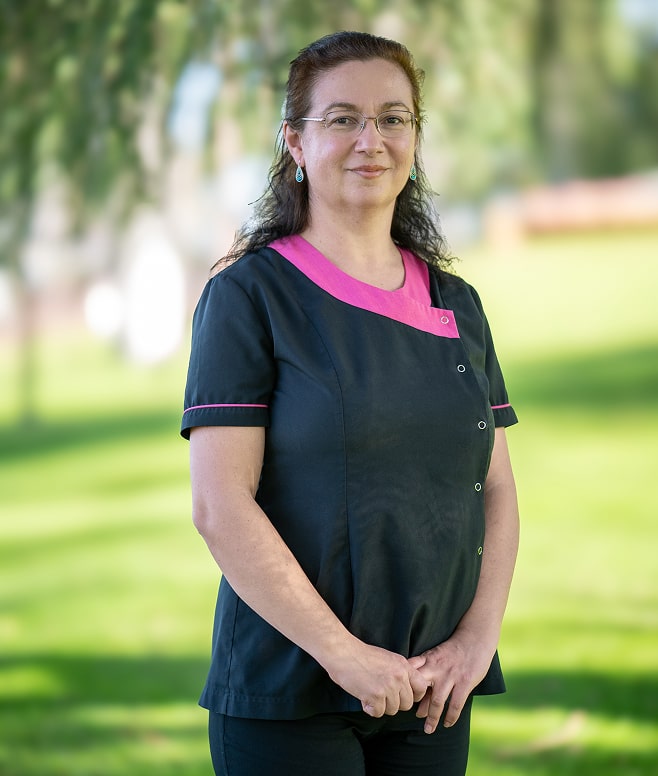
As a Senior Dentist, Dr. Julija focuses on preventive care and communication. She completed her Bachelor of Dental Surgery in 2006 and has more than 15 years of experience. Her calm, friendly approach helps patients feel at ease. She takes the time to explain treatment options and values building lasting relationships through clear and respectful communication.
She provides a wide range of dental services, including preventive, cosmetic, paediatric, extraction, and alignment treatments. She tailors treatment plans to each individual and stays current with evolving techniques. She enjoys cooking and cycling and regularly joins her family in the City to Surf walking challenge, combining fitness with community involvement.
Dr. Julija participates in professional development courses both domestically and internationally to stay current with the latest developments in dentistry.
Dr. Julija is a member of the Australian Dental Association - Western Australia (ADAWA), upholding ethical practice and professional standards in dentistry.
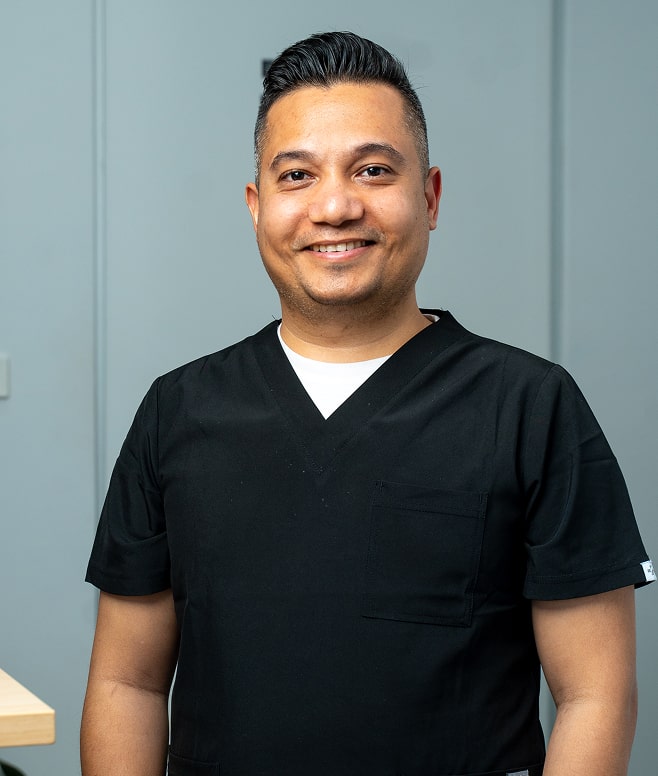
Dr. Siddharth is a dentist providing prosthodontic and implant care. He also provides restorative care, including dentures, crowns and bridges, veneers, and full mouth rehabilitation. He focuses on detail and long-term treatment planning, using a methodical approach shaped by patient goals and needs. His calm and clear communication helps patients navigate their treatment with clarity and understanding.
He enjoys creative pursuits, such as drawing, sketching, cooking, and dancing. These interests reflect his attention to shape, form, and balance—qualities that align with his approach to dental restoration and aesthetics. He works closely with patients on treatment options that are functional and designed with comfort and longevity in mind.
Dr. Siddharth completed his dental degree in India prior to registering locally, adding international clinical training to his restorative and implant work.
- Dr. Siddharth is a Fellow of the Indian Society of Oral Implantologists (ISOI), a professional body dedicated to implant training and clinical development.
- He also holds a Fellowship with the International Congress of Oral Implantologists (ICOI), an organisation that promotes global collaboration in implant dentistry.
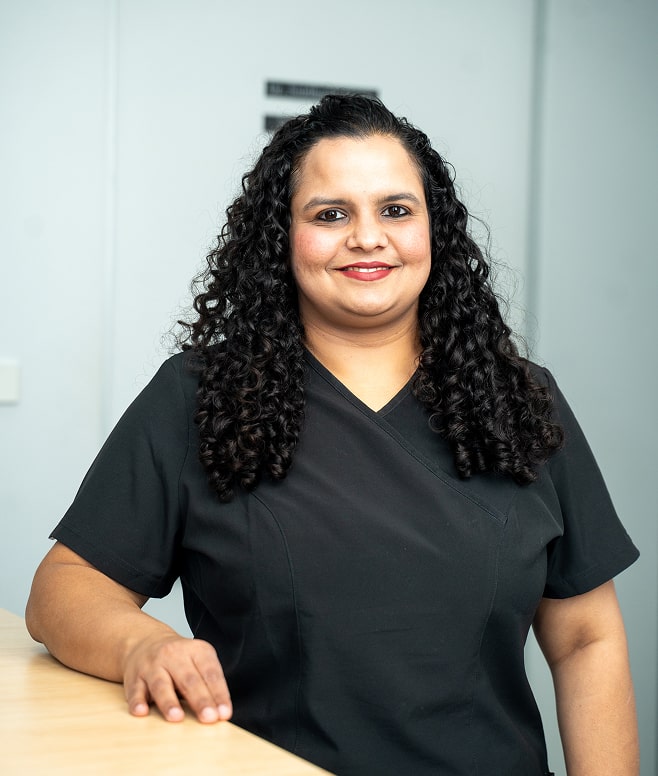
Dr. Abha is a dentist with a Master’s degree in Periodontology and Implantology. She gained her dental qualification in India and registered with the Australian Dental Council. Her background in surgical and implant dentistry is combined with a calm, clear approach to patient care. She focuses on communication and helping patients understand treatment options that suit their individual needs.
She provides preventive, surgical, and implant treatment with careful attention to detail. She applies modern techniques guided by current research and encourages patients to remain committed to their oral health. Outside of dentistry, she spends her time with family, reading, listening to music, travelling, and exploring new places and cultures.
- Dr. Abha completed a Master’s degree in Periodontology and Implantology in India before gaining registration to practise dentistry locally.
- She frequently attends workshops and conferences domestically and internationally to maintain knowledge of current trends and developments in clinical techniques.
- Dr. Abha is a Fellow of the International Congress of Oral Implantologists (ICOI), an international organisation focused on education in implant dentistry.

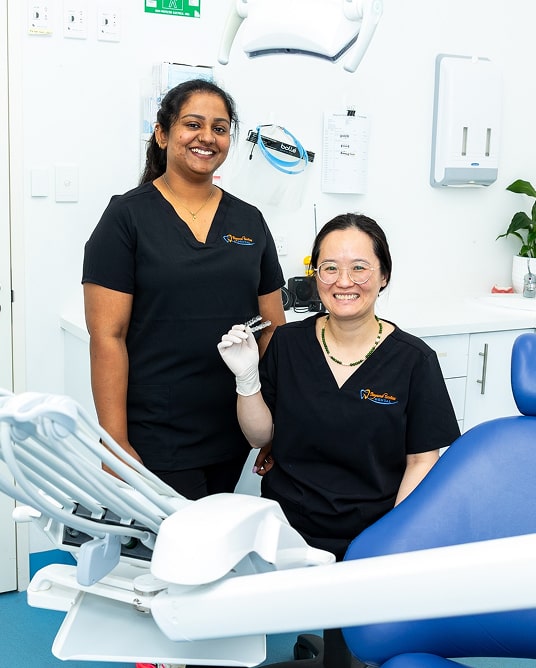
Dr. Amy joined the team after completing her Doctor of Dental Medicine at the University of Western Australia. She also holds a PhD in Materials Science from Curtin University, which provided valuable insight into dental materials and their clinical performance. She provides general dental care with a particular interest in implants, orthodontics, and clear aligner treatment, such as Invisalign.
She engages in continuing professional education to stay aligned with advancements in general and restorative dentistry techniques. She takes care to create a calm, comfortable environment, especially for patients who may feel anxious about dental visits. She is fluent in both Mandarin and Cantonese and communicates clearly with patients of all backgrounds.
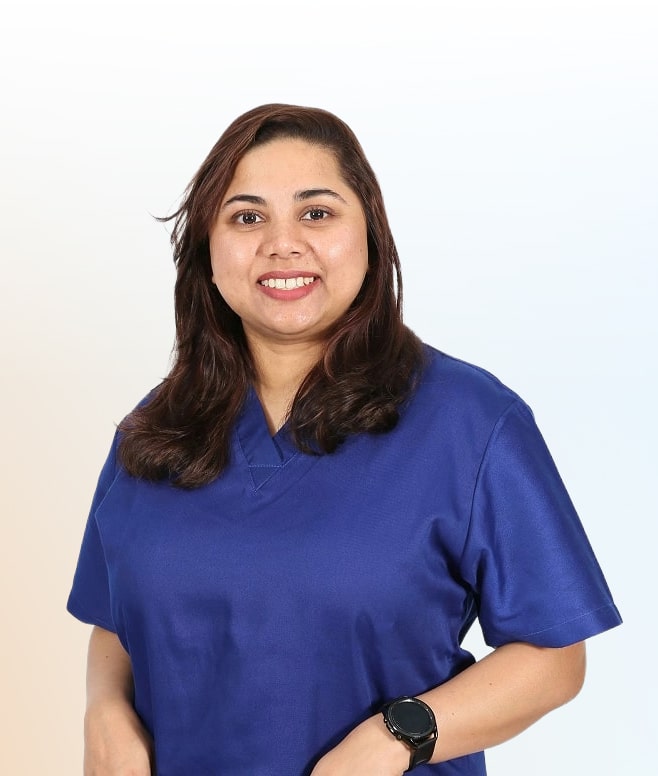
Dr. Bashi offers preventive, restorative, paediatric, endodontic, prosthodontic, and minor oral surgery care in both private and community settings. Her background in clinical dentistry and public health shapes her patient-focused approach, particularly in education and prevention. She communicates clearly with patients of all ages and is committed to providing care that is personalised and responsive to each patient’s unique needs and treatment goals.
During her postgraduate studies, she completed an internship with a healthcare consulting team, contributing to public health projects in various regions. She continues to pursue professional development and enjoys combining clinical care with broader health perspectives. In her spare time, she enjoys basketball, scenic photography, video editing, travel, and exploring diverse cuisines.
Dr. Bashi completed her Bachelor of Dental Surgery at the University of Peradeniya in Sri Lanka before gaining registration to practise in the country.
- Dr. Bashi is a member of the Australian Dental Association and follows its standards for continuing education and ethical patient care.
- She is also registered with the Sri Lanka Medical Council, reflecting her international clinical training and professional background.
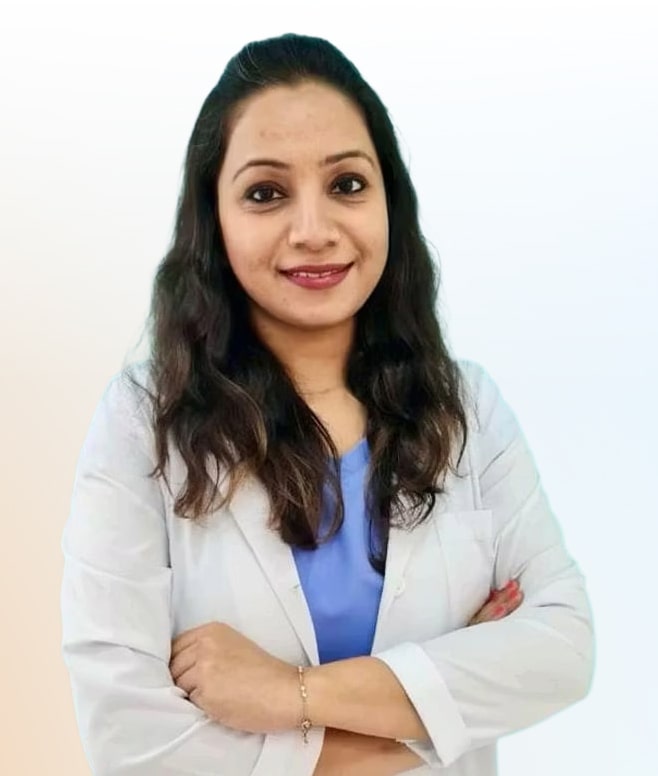
Dr. Neha is a general dentist with postgraduate training in paediatric dentistry and over 13 years of clinical experience. She worked for nine years in Abu Dhabi, focusing on children's oral health. She recently gained her local registration through the Australian Dental Council and now provides care to patients of all ages, including restorative, preventive, and paediatric dentistry.
She has a particular interest in root canal therapy, minimally invasive treatment, and inhalation sedation for anxious patients. She values communication and clarity in every appointment and aims to create a calm environment tailored to each patient’s needs. Her interests outside of dentistry include travel, creative writing, and spending time with her family.
Dr. Neha holds a Bachelor of Dental Surgery and a Master’s in Paediatric Dentistry and has worked clinically in Abu Dhabi for over nine years.
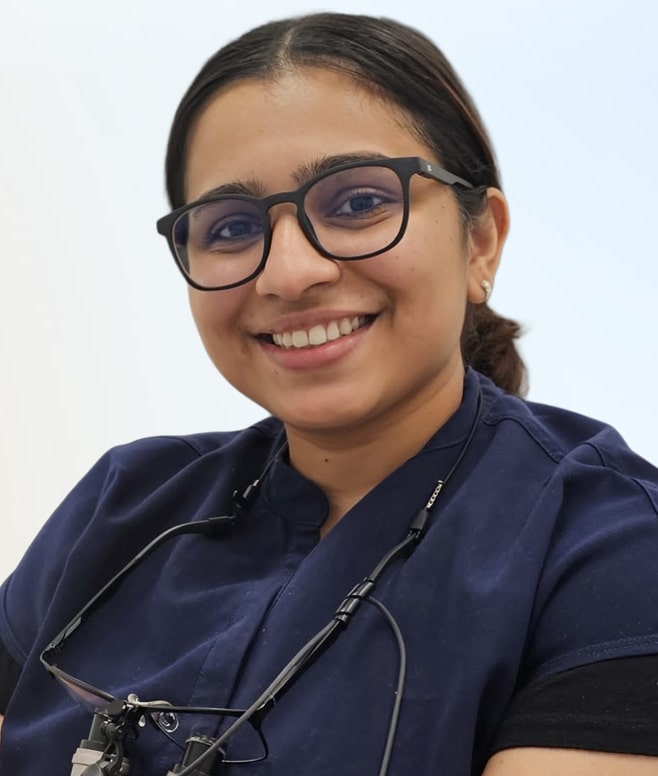
Dr. Karthika completed her Bachelor of Dental Surgery in India and worked in both public and private clinics before settling in Perth. She provides general and restorative care, with a strong interest in preventive dentistry and early intervention. She values collaboration and patient education, helping patients feel more comfortable in making informed choices about their dental care.
She continues to expand her clinical knowledge through continuous professional development. She works gently and thoughtfully with nervous patients, helping them feel more at ease during their appointments. Aside from her work in dentistry, she enjoys gardening, trying new recipes, tackling home DIY projects, and sharing meals with family and friends.
Dr. Karthika earned her Bachelor of Dental Surgery overseas and later gained registration to practise as a general dentist locally.
THINGS TO KNOW
Frequently Asked Questions
If you’re considering bone grafting or a sinus lift, knowing what to expect can be helpful. These FAQs provide clear, practical guidance for patients, addressing common questions.
What is a sinus lift, and why is it sometimes performed with a bone graft?
A sinus lift is a procedure used to safely rebuild bone in the upper jaw, particularly when there isn’t enough to support a dental implant. Here are the steps involved:
- Initial assessment and imaging:
The process starts with a thorough dental examination. 3D imaging, such as a CBCT scan, is then used to check bone height and the position of the sinus. - Anaesthesia and preparation:
Your dentist will numb the area with local anaesthesia, and sedation may be offered if needed to help you feel more relaxed. - Accessing the sinus cavity:
A small incision is made in the gum, and a window is created in the jawbone to access the sinus lining. - Lifting the sinus membrane:
The sinus membrane is carefully raised to make room for the bone graft material. - Placing the bone graft material:
Bone grafting material is added into the newly created space to stimulate new bone growth. - Suturing and healing:
Your dentist will close the area with stitches. The graft will gradually integrate with your natural bone, usually taking between four and nine months.
Sometimes, a sinus lift is combined with bone grafting to address challenges specific to the upper jaw. Below are common situations where this approach may be recommended:
- Inadequate bone height:
Tooth loss in the upper back jaw can result in reduced bone volume that’s insufficient for implant placement. - Proximity of the sinus cavity:
The floor of the sinus may be too low, limiting space for an implant without repositioning and reinforcement. - Need for implant stability:
A stronger bone foundation helps the implant withstand long-term chewing forces and function reliably. - Restoring lost bone volume:
Bone grafts help rebuild the structural integrity of the jaw after natural resorption or trauma.
Can a sinus lift and bone graft be done at the same time?
Yes, a sinus lift and bone graft can sometimes be done during the same appointment. This depends on a few key factors, including the following:
- Adequate existing bone height:
If there are at least four to five millimetres of bone in the upper jaw, your dentist may consider it safe to proceed. In these cases, the graft and sinus lift can often be done in a single step. - Favourable sinus anatomy:
When the sinus membrane is healthy and easy to access, combining the procedures may reduce the need for additional surgeries. - Mild to moderate bone loss:
A smaller graft can usually be placed at the same time as the lift when the bone loss isn’t too advanced.
This combined approach is generally considered when it’s expected to be safe, stable, and effective for your specific situation. Your dentist will confirm this based on scans, clinical findings, and long-term goals for your bone loss treatment and implant planning.
What is the recovery time for a sinus lift and bone graft?
Recovery from a sinus lift and bone graft involves both short-term healing and longer-term bone regeneration. Here’s what the typical timeline looks like:
- Two to three days:
Patients can usually return to light, non-strenuous activities. Mild swelling, nasal pressure, or jaw discomfort may occur during this time and can usually be managed with dentist-approved pain relief. - 10-14 days:
Gum tissue healing and swelling reduction generally occur within this period. Your dentist may schedule a review to assess the healing and, if needed, remove non-dissolvable stitches. - Three to six months:
During this stage, the bone graft gradually integrates with your natural jawbone. The duration depends on factors like the size of the graft, individual healing response, and bone quality. - After six months (sometimes earlier):
After your dentist has assessed healing with imaging and examination, they will advise whether implant placement can proceed.
Healing progress varies between individuals. Regular follow-up appointments and proper post-operative care will help track recovery and determine the appropriate time to continue with your implant treatment.
Is a sinus lift procedure painful?
A sinus lift is usually well-tolerated, and most patients do not experience significant pain. The area is numbed with local anaesthesia before the procedure begins, so you won’t feel sharp pain during treatment. While every patient’s experience is slightly different, it’s helpful to understand the types of sensations that can occur during and after the procedure.
During the procedure:
- Pressure in the upper jaw or cheek:
While the area is numb, you may still feel pressure or a pushing sensation as your dentist works near the sinus cavity. - Vibration from instruments:
You might notice low-level vibrations as tools are used to create space for the bone graft material. - Fullness in the sinus area:
Some patients describe a sense of fullness or a slight shift in the sinus region as the membrane is gently lifted. - Auditory sensations:
Sounds like tapping or scraping may be heard during the procedure. These are normal and part of the surgical process.
After the procedure:
- General discomfort:
It’s common to feel mild to moderate soreness in the affected area once the anaesthetic wears off. This is usually manageable with pain relief recommended by your dentist. - Swelling in the face or under-eye area:
Swelling often develops within 24-72 hours and tends to subside within a week. - Mild bruising:
Some patients notice light bruising on the cheek or upper lip, particularly when a larger graft is placed. - Nasal congestion or sinus pressure:
A feeling of heaviness or slight blockage near the nose or sinuses may occur, but this usually improves within several days. - Light bleeding or spotting:
Minor bleeding from the nose or in the saliva can happen in the first day or two after surgery. This usually settles without intervention.
If you’re considering a sinus lift, our team will guide you through what to expect and how to manage recovery comfortably.
What are the risks or complications of a sinus lift?
Like any surgical procedure, a sinus lift carries some risks. While these complications don’t occur often, understanding them can help you feel more prepared and confident about your treatment.
Here are a few concerns that may occasionally arise during or after a sinus lift:
- Sinus membrane perforation:
One of the more common risks is a tear in the sinus lining during the procedure. If this happens, the dentist may close the area immediately or wait for it to heal before attempting the sinus lift again. Small perforations often improve without long-term issues. - Infection:
As with all oral surgeries, there is a risk of infection. Your dentist will provide aftercare instructions and may prescribe antibiotics to support healing and lower this risk. - Sinus congestion or pressure:
Some patients feel temporary nasal congestion or pressure in the cheeks following the procedure. This usually improves within several days as the area begins to heal. - Displacement of graft material:
In rare cases, the bone graft material may shift if excessive pressure is applied to the area, such as from sneezing or blowing your nose forcefully. You’ll receive instructions to help reduce the chance of this occurring. - Prolonged swelling or bleeding:
Swelling and light bleeding are expected for a few days. If either persists or worsens, you should contact your dentist for advice. - Delayed implant placement:
In some situations, healing may take longer than expected. If the graft does not fully integrate, implant placement might be delayed or adjusted.
How much does a sinus lift and bone graft cost in Perth?
The cost of a sinus lift and bone grafting in Perth generally starts from around $2,000 to $5,000. This estimate is a general guide and may vary depending on the following factors:
- Extent of bone grafting required:
Larger or more complex grafts usually involve more material and time, which can increase the total fee. - Type of graft material used:
Costs may differ based on whether the graft material is synthetic, donor-derived, or taken from your body. - Anaesthesia or sedation options:
While local anaesthesia is standard, choosing sedation during a bone graft or sinus lift may add to the overall cost. - Number of appointments required:
Some treatment plans may include multiple visits for imaging, surgery, and follow-up care, which can affect the final cost. - Referral for additional care:
In some cases, you may be referred to another provider for specific procedures, which could involve separate consultation or surgical fees.
If you’re considering a sinus lift or bone grafting, book a comprehensive consultation at our clinic. We’ll discuss the costs involved and provide a personalised quote based on your treatment needs and complexity.
Can you get a dental implant at the same time as a sinus lift?
Dentists may be able to place a dental implant during the same procedure as a sinus lift. This one-stage approach is only recommended when the following conditions are met:
- At least four to five millimetres of bone height is available:
This provides enough stability to hold the implant during early healing, reducing the risk of movement or failure. - Bone quality is strong and healthy:
Good bone density helps secure the implant firmly at the time of placement. - The sinus membrane is intact and flexible:
It must be lifted without tearing to safely accommodate the graft and implant. - No active gum disease or sinus infections are present:
A healthy environment lowers the risk of complications and promotes better healing. - Only a small to moderate volume of grafting is needed:
When less bone is required, the graft is more likely to support the implant during recovery. - The implant can be positioned and angled predictably:
If the surgical site allows for optimal placement, the implant may be inserted with greater confidence during the same visit.
This method may appeal to individuals looking to streamline their missing teeth options into fewer procedures and shorter timelines. Your dentist will evaluate your suitability based on scans, bone quality, and sinus health.
How do I know if a sinus lift or bone graft has failed?
Sinus lifts and bone grafts generally heal well; however, complications can occur in certain situations. Being aware of the signs that something isn’t healing as expected can help you know when to seek a follow-up with your dentist.
While the following symptoms may not always signify failure, it’s crucial to promptly assess them to prevent further complications:
- Pain that doesn’t ease after the first week:
Some discomfort is expected early on, but pain that persists or gets worse over time could suggest infection or delayed healing. - Swelling that worsens instead of settling:
Mild swelling is normal for the first few days. If it continues to increase or doesn’t begin to improve after about a week, it may need attention. - Redness, discharge, or signs of infection:
Warmth at the surgical site, pus-like discharge, or fever may indicate an infection that requires medical attention and treatment. - Bleeding that continues after 48 hours:
A small amount of bleeding or spotting is common at first, but ongoing bleeding may point to a healing issue. - A sunken or unstable feeling in the grafted area:
If the area feels soft, loose, or appears to collapse, this may be a sign that the bone graft isn’t integrating as expected. - Persistent sinus issues:
Ongoing nasal congestion, facial pressure, or fluid leakage from the nose may suggest a sinus complication following surgery.
If you notice any of these signs or something doesn’t feel quite right, please get in touch with us. Early review can help prevent small concerns from affecting your outcome. At our clinic, we provide bone grafting and sinus lifts with a focus on thorough planning and attentive follow-up care.
What is the success rate of sinus lift and bone graft procedures?
Sinus lift and bone graft procedures are commonly used to prepare the upper jaw for dental implants when natural bone is insufficient. Their success is usually measured by how well they facilitate stable and long-lasting implant placement.
A systematic review with follow-up periods ranging from 12 to 102 months reported the following implant success rates based on the type of graft material used:
- Autogenous bone (bone taken from the patient’s body):
Implants placed into autogenous grafts showed a success rate of 92%. - Allogenic bone (donor bone from another human):
Implants placed into allogenic bone demonstrated a success rate of 93.3%. - Alloplastic material (synthetic graft material):
Implants placed into alloplastic materials—which are biocompatible synthetic substances—had a success rate of 81%. - Xenogenous bone (bone sourced from animals, commonly bovine):
Implants placed into xenogenous bone showed a success rate of 95.6%, which was favourable in comparison to other graft types.
These findings reflect long-term data and show that various graft materials can facilitate successful implant integration. The choice of material will depend on clinical assessment, patient preference, and the specifics of each case.
Is a bone graft more painful than a dental implant?
Pain perception varies between individuals, but many patients find that bone grafting and dental implant placement cause a similar level of discomfort. Both procedures are performed under local anaesthesia, and any post-operative symptoms are usually mild and short-lived.
Here’s what to expect during the procedure:
- Bone graft:
The area is numbed thoroughly, and sedation may be offered for comfort. You may feel pushing sensations or hear instrument sounds, but sharp pain is not expected. Because bone grafting often focuses on rebuilding surface bone near the gumline, some patients find the experience less intense than implant placement. - Dental implant:
This procedure also uses local anaesthetic, with sedation available if needed. Patients often notice stronger pressure or a deeper vibration as the implant is placed into the jawbone, though pain is not usually felt during the process.
Additionally, here’s what you might notice in the days following treatment:
- Bone graft:
Mild to moderate discomfort, swelling, or gum tenderness is common in the first few days. These symptoms generally ease within a week and can be managed with standard pain relief and care. - Dental implant:
Slightly more post-operative symptoms, such as swelling, bruising, or jaw soreness, are sometimes reported due to the deeper placement into the bone. However, the recovery period is often comparable to that of dental bone grafts for implants.
Your dentist will provide aftercare instructions to promote healing and help you manage any discomfort during recovery.