

















Single Tooth Implants as a Treatment Option for Missing Teeth

Enjoy improved comfort when eating, smiling, and speaking. Single tooth implants are designed to support chewing and may help preserve bone and facial support.
Defence HealthHICAPSUni HealthTeachers HealthnibHIFHCFGMHBACBHS HealthAustralian UnityAHMBupaMedibankGovernment of Western Australia Department of HealthDepartment of Veterans’ AffairsDentiCare Payment Plan SolutionApiaHBFSuperCareSuncorpWestfund Health InsurancePolice HealthGU HealthQantas InsuranceAfterpaySmile
LONG-TERM RESTORATION

A Closer Look at Modern Single Tooth Implant Treatment

Losing a single tooth might seem like a small issue, but it can affect more than just your smile. The gap may cause nearby teeth to shift, disrupt your bite, and contribute to gradual bone loss. Over time, this can lead to discomfort while eating, changes in speech, or reduced facial support. Options like bridges and dentures can restore appearance, but they are not placed in the jawbone to help maintain surrounding structures.

Single tooth implants are one option for replacing a missing tooth, involving the placement of an implant post and a restoration. They are designed to integrate with the jawbone, which may help preserve bone levels and contribute to function, appearance, and oral stability over time.

DENTAL IMPLANT ADVANTAGES

What You Can Expect from Single Tooth Implants

Choosing how to replace a missing tooth is a personal decision. Here’s why many people explore single tooth implants as a long-term, restorative option:

Natural Feel and Function

Single tooth implants are designed to replicate the structure of a natural tooth. These implants are designed to restore chewing and speaking function, as well as appearance.

Preservation of Oral Health

Implants don’t rely on nearby teeth for support. This helps reduce strain on surrounding teeth and contributes to better long-term jawbone stability, bite alignment, and overall oral function.

Durable, Long-Term Option

With good oral hygiene and regular check-ups, single-tooth implants may remain functional for many years. They are one treatment option for people considering the replacement of a missing tooth.

Discuss Dental Implant Options with a Qualified Practitioner

Considering dental implants in Perth? Our team can provide information about the procedure and assess whether it is appropriate for your oral health needs.
Beyond Smiles Dental
PATIENT ELIGIBILITY

Are You a Good Candidate for Single Tooth Implants?

Single tooth implants may be suitable for individuals who meet certain oral health and lifestyle criteria. Your dentist will carefully evaluate these factors before recommending treatment. Below are some qualities that may suggest someone is a good candidate for this type of tooth replacement:

1 Healthy Gums and Bone

Implants require healthy bone for anchorage and stable gums to promote healing. A well-maintained mouth increases the likelihood of successful integration. Your dentist may recommend scans or imaging to assess these areas before confirming suitability for placement.
Smoking can affect healing and implant success. People who don’t smoke—or are willing to quit—may be more likely to achieve long-term implant stability. Your dentist can guide you through the timing if smoking cessation is part of your plan.
Dental implants require the same level of care as natural teeth. Brushing, flossing, and regular dental visits all help maintain gum health and implant longevity. Commitment to oral hygiene plays a big role in treatment success.
Being generally healthy promotes healing and reduces risks during and after implant placement. Conditions like uncontrolled diabetes may impact outcomes, but well-managed health often leads to better results. Your dentist will consider your medical history as part of the assessment.
DENTAL IMPLANT PROCESS

Your Single Tooth Implant Journey from Start to Finish

The single tooth implant process involves multiple stages tailored to your individual needs. Here’s a general overview of what your treatment journey may include:

Dental Implant Consultation

This initial visit allows your dentist to assess your oral health and discuss your concerns. It's a no-obligation opportunity to explore if implants are right for you.

Custom Treatment Plan

A personalised plan is developed based on your oral condition, goals, and medical history. Each stage is designed to reflect your specific situation and what’s clinically appropriate.

Surgical Placement

The implant is placed into the jawbone during a carefully planned procedure. A period of healing is necessary before progressing to the next stage, which involves the final restoration.

Ongoing Care

Regular check-ups and good oral hygiene play an important role in maintaining the health of your implant. Your dental team will guide you through aftercare and maintenance habits.

POTENTIAL CHALLENGES

Understanding the Risks and Limitations of Single Tooth Implants

While single tooth implants are widely used and generally well-tolerated, they are not entirely without risk. As with any surgical procedure, complications can occur. Below are some potential concerns to consider and discuss with your dentist beforehand:

1 Surgical Healing Complications

As with any minor oral surgery, there’s a risk of infection, delayed healing, or localised pain. Some patients may experience swelling, bruising, or temporary numbness. Your dentist will explain ways to minimise these risks during recovery.
In some cases, the implant may not properly bond with the jawbone, a complication known as failed osseointegration. This may lead to implant movement or removal, especially when healing is compromised by smoking or certain medical conditions.
Improper placement may impact nearby nerves or sinus cavities, especially in the lower jaw or upper back teeth. This is rare with proper planning and imaging. Detailed scans are used to accurately identify these areas in advance.
Over time, gum recession or gradual bone loss around the implant may occur. This can affect both stability and appearance if changes go unnoticed. Ongoing check-ups allow early detection and the opportunity for timely intervention when needed.
AFFORDABLE DENTAL CARE

Treatment Fees and Payment Information

Curious about dental treatment costs? Pricing depends on your individual needs, and your dentist can explain personalised estimates and available payment options during your initial consultation.

Dental Implants – Pricing and Inclusions

Dental implants replace missing teeth with durable, functional restorations designed to suit your oral health needs.

Starting from

$4,000 / tooth

Includes implant, abutment, standard crown; excludes extractions, bone grafts, sinus lifts, advanced imaging, sedation; written estimate provided.

Payment Options

Clear Aligners – Pricing and Inclusions

Clear aligners use a sequence of custom trays to gradually reposition teeth.

Starting from

$5,000 to $9,000

Payment Options

MEET YOUR DENTISTS

Dedicated Dental Team Focused on Comfort and Care

You’ll receive care from a clinical team that collaborates and communicates clearly. We follow consistent protocols so your treatment is organised and aligned between appointments.
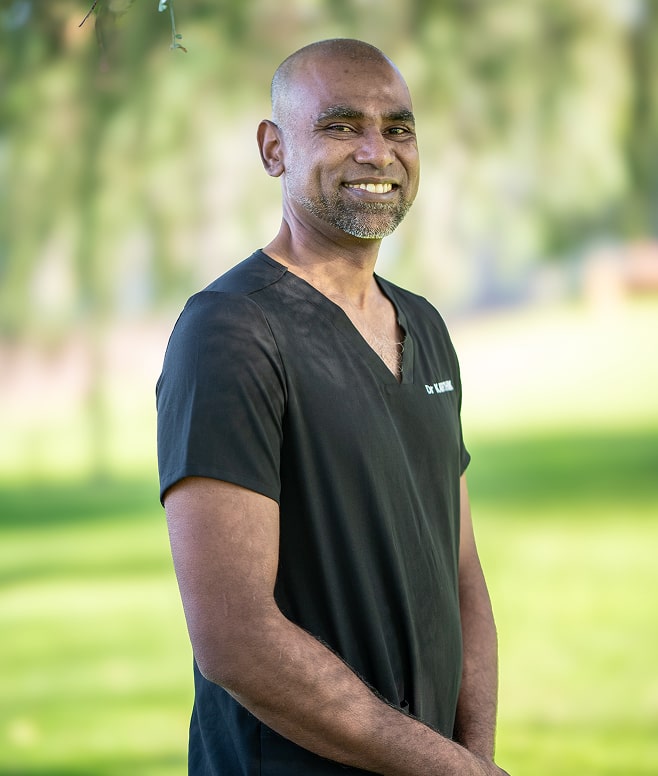
Dr. Karthik Dorairaj
Founder & Principal Dentist
Dr. Karthik Dorairaj
Dentist Practitioner, AHPRA Registration No. DEN0001580832

Dr. Karthik is a fully qualified dentist with more than 23 years of clinical experience. Since completing his Bachelor of Dental Surgery in 2002, he has developed a strong interest in surgical procedures, dental implantology, and clear aligner systems. He holds a Master’s degree in Clinical Implantology from UCLA and has undergone comprehensive training in digital treatment planning and orthodontic aligner therapy.

His work is primarily focused on surgical extractions, implant placement, and managing complex treatment plans. He is dedicated to continuous learning and consistently integrates evidence-based techniques into his daily practice. Outside of dentistry, he enjoys playing backyard cricket and badminton with his sons, as well as practising mindfulness and maintaining a balanced lifestyle.

International Training and Certifications

Dr. Karthik earned a Master’s in Clinical Implantology from UCLA, focusing on implant systems, surgical techniques, and oral rehabilitation.
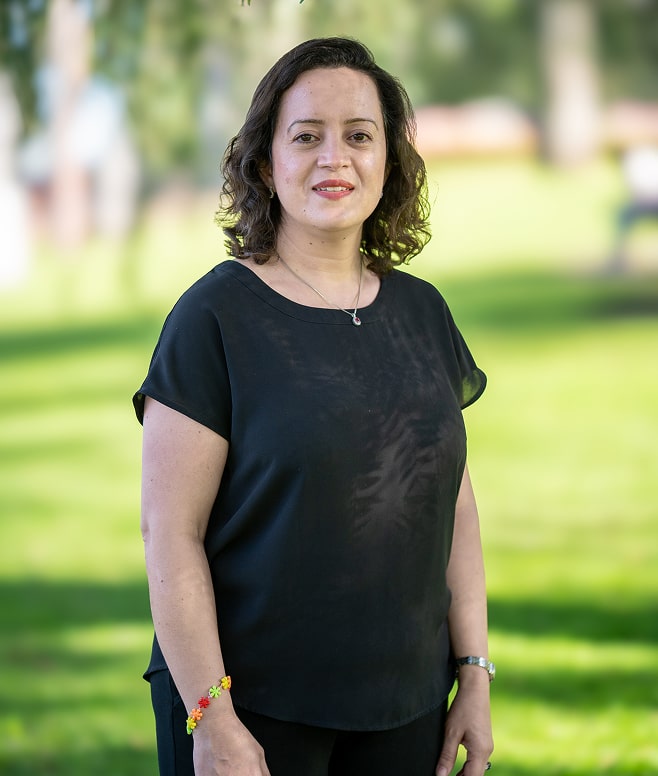
Dr. Behnoush Azhang
Dentist
Dr. Behnoush Azhang
Dentist Practitioner, AHPRA Registration No. DEN0001537781

Dr. Behnoush is a dentist with more than 15 years of clinical experience. She gained her qualification through the Australian Dental Council in 2008 and has been practising in the country since 2009. She communicates clearly with patients and takes time to explain treatment options, especially during procedures that may be new or feel overwhelming.

She provides care across all aspects of general dentistry, with special interests in Invisalign, cosmetic treatments, and restorative work, such as crowns and bridges. She is dedicated to continuous learning and regularly attends continuing education programs. Outside of dentistry, she enjoys family time, active living, and being engaged in her local community.

Professional Memberships

Dr. Behnoush is a member of the Australian Dental Association and upholds national clinical standards and professional codes of conduct.
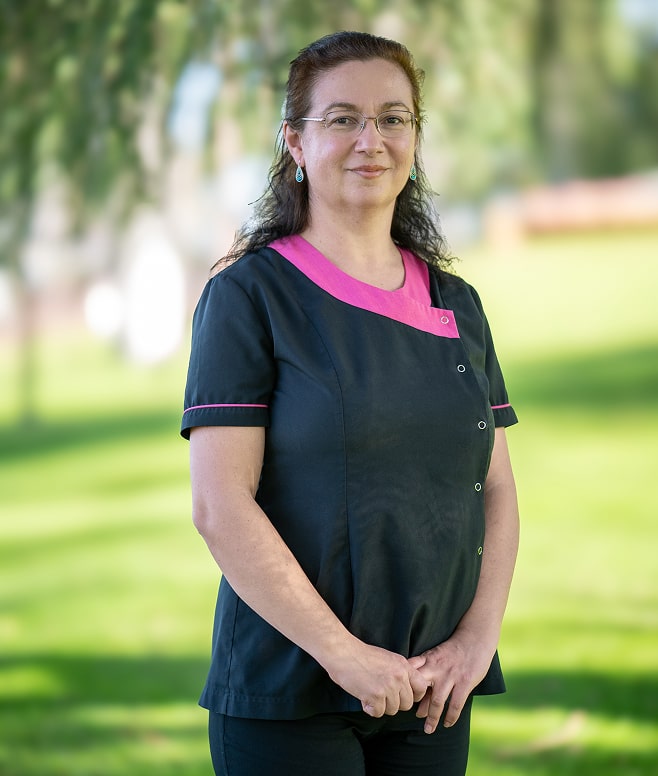
Dr. Julija Nikoloska
Dentist
Dr. Julija Nikoloska
Dentist Practitioner, AHPRA Registration No. DEN0001632243

As a Senior Dentist, Dr. Julija focuses on preventive care and communication. She completed her Bachelor of Dental Surgery in 2006 and has more than 15 years of experience. Her calm, friendly approach helps patients feel at ease. She takes the time to explain treatment options and values building lasting relationships through clear and respectful communication.

She provides a wide range of dental services, including preventive, cosmetic, paediatric, extraction, and alignment treatments. She tailors treatment plans to each individual and stays current with evolving techniques. She enjoys cooking and cycling and regularly joins her family in the City to Surf walking challenge, combining fitness with community involvement.

International Training and Certifications

Dr. Julija participates in professional development courses both domestically and internationally to stay current with the latest developments in dentistry.

Professional Memberships

Dr. Julija is a member of the Australian Dental Association - Western Australia (ADAWA), upholding ethical practice and professional standards in dentistry.
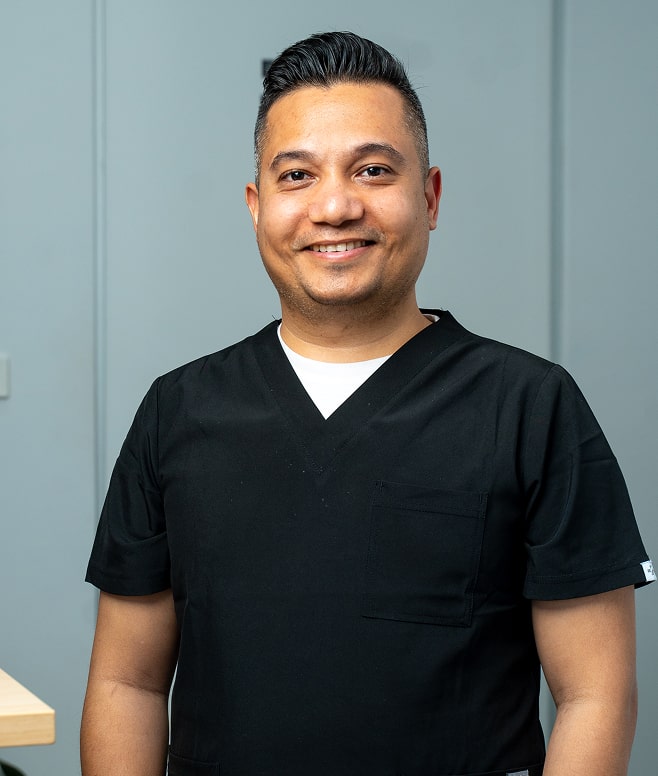
Dr. Siddharth
Dentist
Dr. Siddharth Mehta
Dentist Practitioner, AHPRA Registration No. DEN0002647919

Dr. Siddharth is a dentist providing prosthodontic and implant care. He also provides restorative care, including dentures, crowns and bridges, veneers, and full mouth rehabilitation. He focuses on detail and long-term treatment planning, using a methodical approach shaped by patient goals and needs. His calm and clear communication helps patients navigate their treatment with clarity and understanding.

He enjoys creative pursuits, such as drawing, sketching, cooking, and dancing. These interests reflect his attention to shape, form, and balance—qualities that align with his approach to dental restoration and aesthetics. He works closely with patients on treatment options that are functional and designed with comfort and longevity in mind.

International Training and Certifications

Dr. Siddharth completed his dental degree in India prior to registering locally, adding international clinical training to his restorative and implant work.

Professional Memberships
  • Dr. Siddharth is a Fellow of the Indian Society of Oral Implantologists (ISOI), a professional body dedicated to implant training and clinical development.
  • He also holds a Fellowship with the International Congress of Oral Implantologists (ICOI), an organisation that promotes global collaboration in implant dentistry.
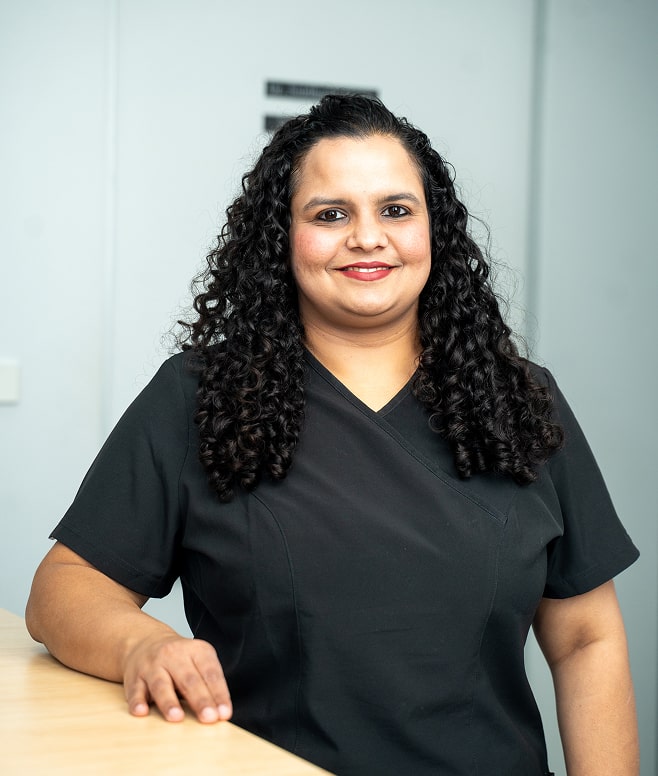
Dr. Abha
Dentist
Dr. Abha Mehta
Dentist Practitioner, AHPRA Registration No. DEN0002343199

Dr. Abha is a dentist with a Master’s degree in Periodontology and Implantology. She gained her dental qualification in India and registered with the Australian Dental Council. Her background in surgical and implant dentistry is combined with a calm, clear approach to patient care. She focuses on communication and helping patients understand treatment options that suit their individual needs.

She provides preventive, surgical, and implant treatment with careful attention to detail. She applies modern techniques guided by current research and encourages patients to remain committed to their oral health. Outside of dentistry, she spends her time with family, reading, listening to music, travelling, and exploring new places and cultures.

International Training and Certifications
  • Dr. Abha completed a Master’s degree in Periodontology and Implantology in India before gaining registration to practise dentistry locally.
  • She frequently attends workshops and conferences domestically and internationally to maintain knowledge of current trends and developments in clinical techniques.
Professional Memberships
  • Dr. Abha is a Fellow of the International Congress of Oral Implantologists (ICOI), an international organisation focused on education in implant dentistry.

Dr. Amy
Dentist
Dr. Amy (Huihua) Liu
Dentist Practitioner, AHPRA Registration No. DEN0000988173

Dr. Amy joined the team after completing her Doctor of Dental Medicine at the University of Western Australia. She also holds a PhD in Materials Science from Curtin University, which provided valuable insight into dental materials and their clinical performance. She provides general dental care with a particular interest in implants, orthodontics, and clear aligner treatment, such as Invisalign.

She engages in continuing professional education to stay aligned with advancements in general and restorative dentistry techniques. She takes care to create a calm, comfortable environment, especially for patients who may feel anxious about dental visits. She is fluent in both Mandarin and Cantonese and communicates clearly with patients of all backgrounds.
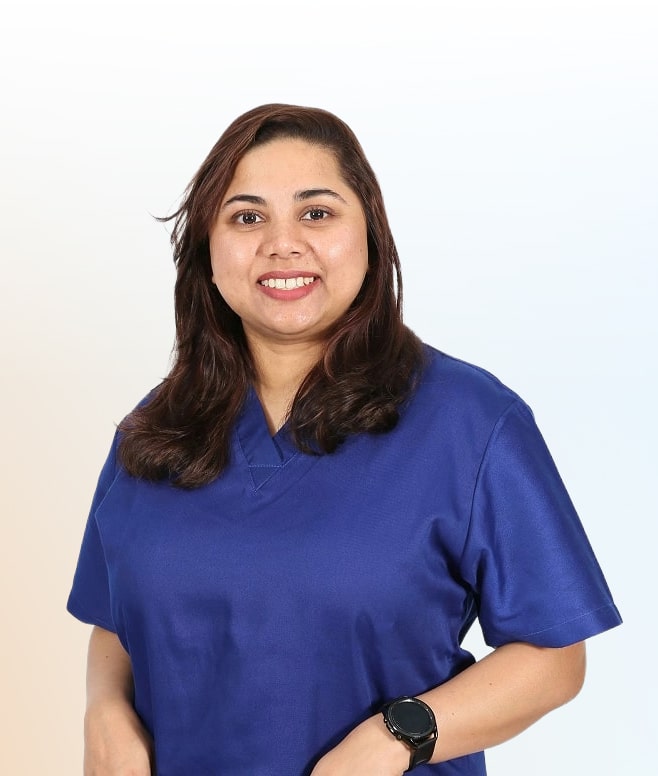
Dr. Bashi
Dentist
Dr. Bhashini Jayasinghe
Dentist Practitioner, AHPRA Registration No. DEN0004012776

Dr. Bashi offers preventive, restorative, paediatric, endodontic, prosthodontic, and minor oral surgery care in both private and community settings. Her background in clinical dentistry and public health shapes her patient-focused approach, particularly in education and prevention. She communicates clearly with patients of all ages and is committed to providing care that is personalised and responsive to each patient’s unique needs and treatment goals.

During her postgraduate studies, she completed an internship with a healthcare consulting team, contributing to public health projects in various regions. She continues to pursue professional development and enjoys combining clinical care with broader health perspectives. In her spare time, she enjoys basketball, scenic photography, video editing, travel, and exploring diverse cuisines.

International Training and Certifications

Dr. Bashi completed her Bachelor of Dental Surgery at the University of Peradeniya in Sri Lanka before gaining registration to practise in the country.

Professional Memberships
  • Dr. Bashi is a member of the Australian Dental Association and follows its standards for continuing education and ethical patient care.
  • She is also registered with the Sri Lanka Medical Council, reflecting her international clinical training and professional background.
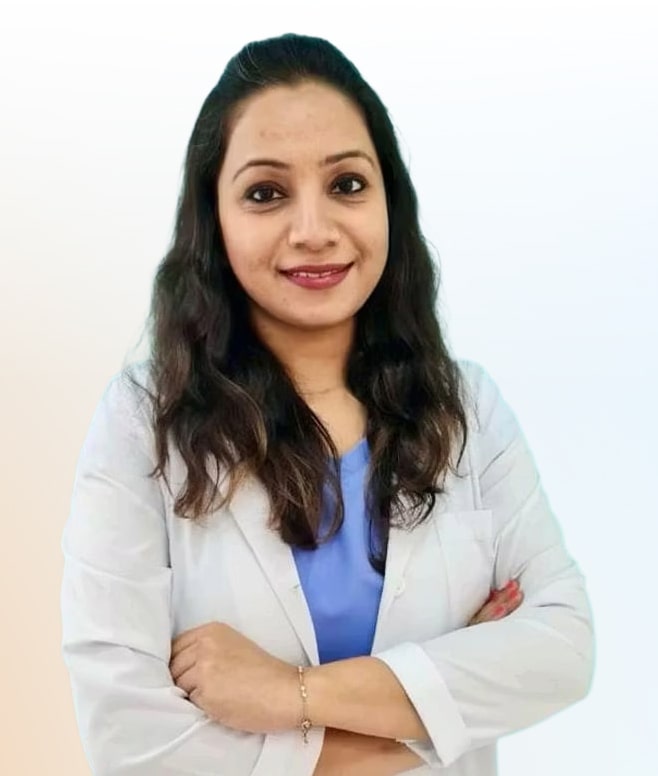
Dr. Neha
Dentist
Dr. Neha Bhargava
Dentist Practitioner, AHPRA Registration No. DEN0002872990

Dr. Neha is a general dentist with postgraduate training in paediatric dentistry and over 13 years of clinical experience. She worked for nine years in Abu Dhabi, focusing on children's oral health. She recently gained her local registration through the Australian Dental Council and now provides care to patients of all ages, including restorative, preventive, and paediatric dentistry.

She has a particular interest in root canal therapy, minimally invasive treatment, and inhalation sedation for anxious patients. She values communication and clarity in every appointment and aims to create a calm environment tailored to each patient’s needs. Her interests outside of dentistry include travel, creative writing, and spending time with her family.

International Training and Certifications

Dr. Neha holds a Bachelor of Dental Surgery and a Master’s in Paediatric Dentistry and has worked clinically in Abu Dhabi for over nine years.
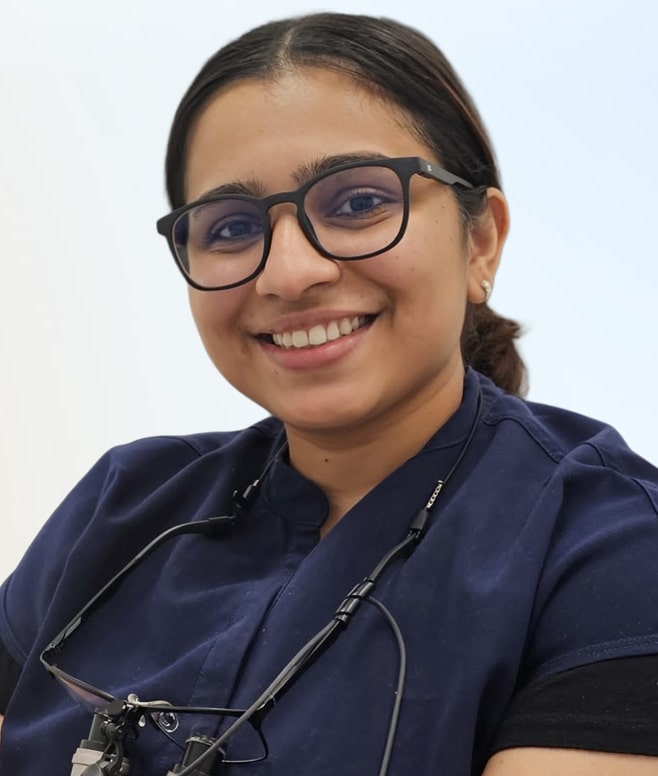
Dr. Karthika
Dentist
Dr. Karthika Nair

Dr. Karthika completed her Bachelor of Dental Surgery in India and worked in both public and private clinics before settling in Perth. She provides general and restorative care, with a strong interest in preventive dentistry and early intervention. She values collaboration and patient education, helping patients feel more comfortable in making informed choices about their dental care.

She continues to expand her clinical knowledge through continuous professional development. She works gently and thoughtfully with nervous patients, helping them feel more at ease during their appointments. Aside from her work in dentistry, she enjoys gardening, trying new recipes, tackling home DIY projects, and sharing meals with family and friends.

International Training and Certifications

Dr. Karthika earned her Bachelor of Dental Surgery overseas and later gained registration to practise as a general dentist locally.
ANSWERS YOU NEED

Frequently Asked Questions

Have questions about single tooth implants? We’ve covered some of the common ones to help guide your expectations and support your understanding of the process.

Can you replace just one missing tooth with an implant?

Yes, it’s definitely possible to replace one missing tooth with a dental implant when certain conditions are met.

To assess whether this treatment is right for you, your dentist will consider the following:

  • Healthy jawbone:
    There must be enough bone in the area to support the implant. If the bone has shrunk or is too soft, a graft may be needed before placement.
  • Good gum health:
    The gums should be free from active gum disease, as this can interfere with healing and increase the chance of implant problems.
  • No indications of infection or inflammation at the site:
    The area must be stable and free of infection for the implant to heal properly.
  • Good oral hygiene habits:
    Daily brushing, flossing, and regular dental visits help prevent infection around the implant and promote its long-term success.
  • Balanced bite:
    Your bite should distribute pressure evenly across your teeth. Too much strain on the missing tooth implant can affect its stability.
  • No health issues that affect healing:
    Conditions like uncontrolled diabetes, heavy smoking, or immune concerns can slow healing or increase complications.
  • Jaw development is complete:
    Implants are usually not placed until the jaw has finished growing, usually in late teens or adulthood.

Once completed, a single tooth implant appears like a regular tooth in the mouth, with only the crown visible above the gum. It’s designed to feel natural and blend in with your surrounding teeth.

The implant itself consists of two main parts:

  • Above the gum line—the crown:
    This is the visible part that looks like a real tooth. It’s custom-made, usually from ceramic or porcelain, to match your natural teeth in colour and shape. It is attached to a connector (called an abutment) and sits securely in place, allowing you to bite, chew, and speak with confidence. The gum usually forms a natural contour around the crown, contributing to a natural-looking tooth replacement.
  • Below the surface—the implant:
    This is a small titanium post that sits beneath the gum, anchored into the jawbone. It acts like the root of a natural tooth. Over time, it fuses with the bone in a process called osseointegration, which gives the crown lasting support and stability. This part isn’t visible, but it’s what provides the foundation for the tooth above.

While the surgical appointments are brief, full implant treatment takes place over several months to allow for proper healing and stability.

  • Implant placement:
    Single tooth dental surgery involves placing a titanium post into the jawbone. This procedure usually takes one to two hours, including preparation, placement, and post-operative checks.
  • Crown placement:
    After healing, the final crown is attached during a second appointment, which also takes about one to two hours.

Between these two visits, a healing phase occurs—usually lasting three to six months—where the bone gradually fuses with the implant in a process called osseointegration. This stage doesn’t require ongoing procedures but is important for long-term stability.

While the total time in the chair is usually around two to four hours, this only covers the surgical placement of the implant. The full treatment journey—from implant placement to the final crown—usually spans approximately three to seven months, depending on individual healing and treatment needs.

The cost of a single tooth implant generally falls between $4,000 and $7,000. This range can vary depending on several factors, including the following:

  • Whether additional procedures are needed:
    Some patients may require bone grafting or gum treatment before the implant can be placed, which can increase the total cost.
  • Type of crown selected:
    The material used for the final crown, such as porcelain or zirconia, can affect pricing.
  • Tooth location:
    Implants in visible areas, such as the front teeth, may involve extra steps to achieve a natural appearance, which may impact cost.
  • Diagnostic tools required:
    X-rays, 3D scans, and digital planning are often part of the assessment when planning to replace one missing tooth. These services may be billed separately, depending on the clinic.
  • Complexity of your oral health:
    Conditions like gum disease or bite issues may require additional care before implant treatment.
  • Provider experience and location:
    Costs may also vary depending on the provider’s experience and the location of the clinic.

Single tooth implants are often considered a treatment option that may provide long-term function and support. While the initial cost may be higher than that of other treatments, they are designed to last for many years with proper care.

Here are a few reasons why they’re commonly chosen as a durable option for single tooth replacement:

  • They don’t affect nearby teeth:
    Unlike dental bridges, implants don’t rely on adjacent teeth for support, which may help preserve natural tooth structure.
  • They support jawbone health:
    Because the implant is embedded in the bone like a natural tooth root, it may help reduce the risk of bone loss in the area.
  • They are designed to restore function and appearance:
    Once healed, implants may allow comfortable use for eating and speaking.
  • They’re easy to maintain:
    Routine brushing, flossing, and dental check-ups are usually all that’s needed to care for them.

That said, whether an implant is the right choice depends on your oral health, lifestyle, and treatment goals. A thorough dental assessment can help determine whether this tooth replacement option suits your needs.

Yes, Beyond Smiles Dental offers payment plans that may assist eligible patients in managing the cost of single tooth implant treatment over time.
The following options are available:

  • Afterpay:
    Afterpay allows you to divide the cost into four equal fortnightly payments. It is interest-free and can be set up quickly for eligible purchases.
  • DentiCare:
    DentiCare provides structured dental payment plans with no upfront deposit required for approved applicants. Repayments are spread over time to suit your budget.
  • Laybuy:
    Laybuy lets you spread your payments over six weekly instalments. It is interest-free and may be suitable for smaller treatment amounts.

A complete dental implant procedure usually requires multiple visits, as each stage involves careful planning, healing, and integration. While the surgical placement of a dental implant for one tooth can often be done in a single appointment, the entire process takes longer to complete.

Here’s why multiple visits are usually needed:

  • Healing time is essential:
    After the titanium implant is placed, the surrounding bone needs time to fuse with it in a process called osseointegration. This stage is critical for stability and usually takes several months.
  • Crown placement comes later:
    The final crown—the visible part of the tooth—is attached once the implant has fully integrated with the bone. This allows it to be placed with proper stability and alignment.

The lifespan of a single dental implant varies depending on the specific component and how well it’s maintained. Here’s a breakdown:

  • Implant post (beneath the gum):
    The titanium post that is placed in the jawbone can last 20 years. It is designed to integrate with the bone and remain in place over the long term. Its longevity depends on bone health, hygiene, and avoiding complications like gum disease.
  • Crown (above the gum):
    The visible crown attached to the implant usually lasts between 5 and 15 years. This part may wear over time and might need replacement due to everyday use, grinding, or changes in bite.

Good oral hygiene, regular dental check-ups, and avoiding habits like smoking or clenching can help maintain both parts of the implant over time.

Not replacing a missing tooth can affect more than just your appearance. Over time, it may lead to changes in your bite, jawbone, and the position of nearby teeth.
Some common effects include the following:

  • Bone loss in the jaw:
    Without a tooth root in place, the bone in that area may shrink gradually. This process is called bone resorption and can sometimes alter the shape of your jaw or face.
  • Shifting of nearby teeth:
    Teeth next to the gap may begin to move into the space, which can lead to crowding, bite changes, or uneven wear.
  • Extra pressure on remaining teeth:
    The surrounding teeth may experience increased strain during chewing, increasing the risk of wear or damage over time.
  • Greater chance of gum or plaque problems:
    Gaps can be harder to clean thoroughly, raising the risk of plaque buildup, gum inflammation, and decay in nearby teeth.
  • Changes in chewing and speech:
    Depending on which tooth is missing, you may find it harder to chew comfortably or pronounce certain words.

Systematic reviews have found that single tooth implants can achieve survival rates of around 90–95% over a 10-year period. These figures come from large groups studied under controlled conditions. They show that implants can be a reliable long-term option when placed and maintained appropriately.

However, outcomes vary between individuals, and no treatment is certain. Factors such as bone quality, oral hygiene, smoking, and general health all influence long-term results. Your clinician will discuss your personal circumstances and explain how the evidence may apply to you.

A single dental implant can be suitable for replacing a front tooth, but several clinical factors need to be considered to determine if it’s the right choice for your case.
Suitability depends on the following:

  • Bone availability in the front of the jaw:
    The implant needs enough healthy bone to be securely placed. If the bone is too thin or has receded, grafting may be recommended first.
  • Gum health and shape:
    The appearance of front teeth relies heavily on the surrounding gum tissue. Healthy gums with a natural contour can improve the final aesthetic outcome.
  • Tooth position and spacing:
    Adequate space and alignment between adjacent teeth are needed to place the implant in the ideal position.
  • Smile line and visibility:
    The higher your smile line, the more visible the area is, which may affect planning to achieve a lifelike result.

Recovery after a single implant procedure often occurs in stages and varies from person to person. While the initial healing generally takes place within days, the complete process spans several months as the implant integrates with the jawbone.

Here’s a general timeline of what to expect:

  • First 24–48 hours:
    Mild swelling, bruising, or discomfort may occur around the implant site. Rest and soft foods are recommended, and any pain is usually managed with over-the-counter medication.
  • First week:
    Swelling should begin to ease, and any stitches (if non-dissolvable) may be removed at a follow-up appointment. Careful brushing near the site can resume, as advised.
  • Two to six weeks:
    Soft tissue healing usually occurs during this period. Many people can return to their usual eating habits and routines, although caution around the implant site is still advised.
  • Three to six months:
    The implant continues to fuse with the jawbone through a process called osseointegration. This stage is not painful but is important for long-term stability.
  • Final appointment:
    Once the implant has fully integrated, your dentist will attach the custom crown. This completes the process and restores the appearance and function of the tooth.

Caring for your dental implant after surgery is important to promote healing and lower the risk of complications. While your dentist will give tailored instructions, the following general tips are commonly recommended during the early recovery period:

  • Keep the area clean:
    Rinse gently with warm salt water as directed, especially after meals. Take care not to brush the surgical site while it heals.
  • Maintain good oral hygiene:
    Continue brushing and flossing the rest of your mouth carefully to reduce bacteria while the area heals.
  • Eat soft, cool foods:
    Options like yoghurt, smoothies, mashed potatoes, scrambled eggs, and soft pasta are generally well tolerated. These can reduce pressure and irritation at the implant site.
  • Avoid hot, crunchy, or spicy foods:
    Steer clear of items like chips, crusty bread, hot soups, spicy sauces, or hard vegetables during the early days. These can irritate the area or disrupt healing.
  • Avoid smoking and alcohol:
    Both habits can slow healing and may increase the risk of implant-related complications.
  • Attend follow-up appointments:
    These allow your dentist to monitor how well the implant is healing and plan the next stage of your care.

While single tooth implants have a high success rate, they still involve surgery and carry some risks. These are generally uncommon and can often be reduced with careful planning and appropriate post-operative care.

Some possible complications include the following:

  • Infection at the implant site:
    This may occur during healing if bacteria enter the area. Maintaining oral hygiene and following post-surgical instructions can help lower this risk.
  • Implant not integrating with the bone:
    In some cases, the implant may not fully fuse with the jawbone, which could require removal or replacement.
  • Damage to nearby teeth or nerves:
    If the implant is placed too close to adjacent structures, temporary or, in rare cases, long-term numbness or discomfort may occur.
  • Sinus-related complications (for upper implants):
    Implants placed in the upper back jaw may extend into the sinus area, which can lead to discomfort or sinus issues.
  • Gum or bone recession:
    Over time, the gum or bone surrounding the implant may recede, potentially affecting the implant’s appearance or function.

Healthy Smiles Begin Here—Schedule Your Appointment

Booking your first appointment marks the beginning of planning your future dental care. The team will review your history and discuss any concerns, needs, or goals relevant to treatment.

Dentist holding dental model
Left Menu Icon
Important Update

We’ve Moved! 📍

Our Bertram clinic has now moved to a new location in Kwinana.

We’re excited to welcome you starting April 10 from 8:30 AM at:

Shop 35, Kwinana Market Place, 4 Chisham Ave, Kwinana WA 6167

📞 (08) 6388 4883

Contact Us