

















Discover Oral Hygiene Education in Perth for Healthier Smiles
Oral Health Matters
Protect Your Dental Health with Oral Hygiene Education
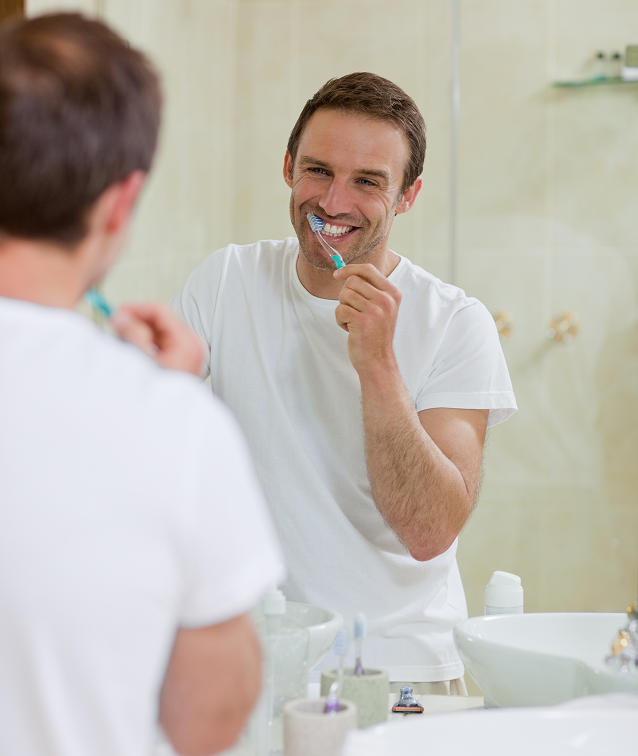
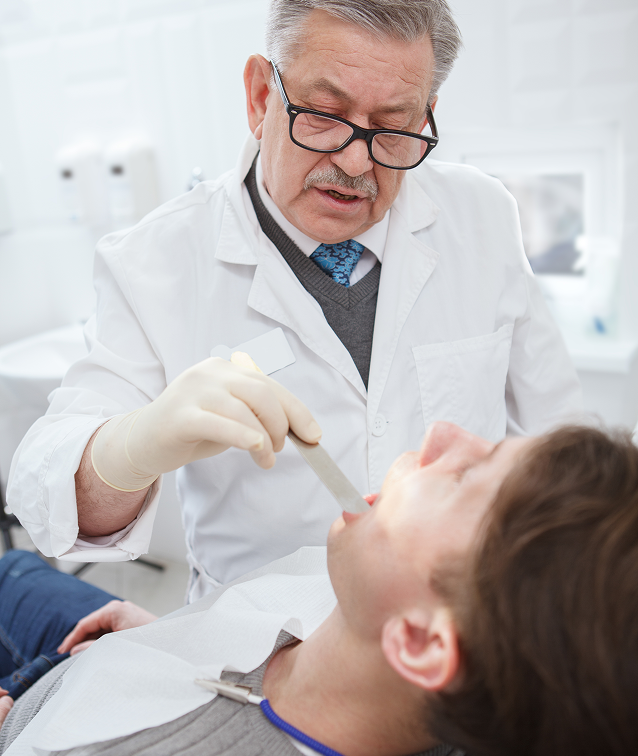
Brushing twice daily is strongly recommended, but it may not be enough on its own to maintain oral health. Flossing, maintaining balanced eating habits, and receiving dental care tailored to your individual needs can help reduce the risk of issues such as tooth decay or gum disease. Without these, concerns such as tartar buildup or foul breath may develop gradually, sometimes without obvious early signs. A consistent, informed routine supports healthier teeth and gums over time.
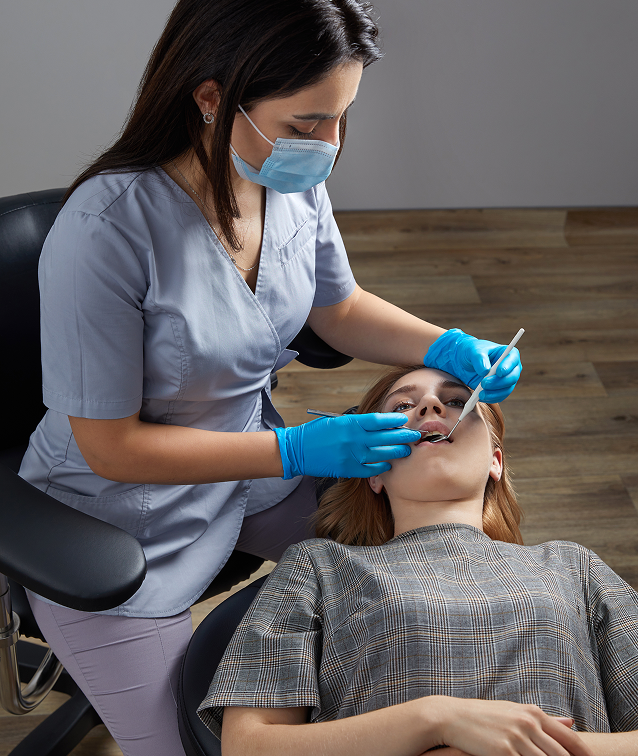
At Beyond Smiles Dental, our team offers clear and practical oral hygiene guidance tailored to your specific needs. This may include brushing and flossing tips, dietary advice, and recommendations for clinically appropriate dental visits, helping you build daily habits that support your oral health between appointments.
Ideal Candidates
Is Oral Hygiene Education Right for You?
Building better oral care habits starts with knowing what works for your smile. Oral hygiene education offers practical, personalised advice—whether it’s brushing, flossing, or dieting—so you feel more equipped to manage your dental health between visits and stay on track long-term.
1Children and Teenagers
2 Busy Adults
3 People with Dental Appliances
4 Early Gum Symptoms
Maintain a Healthy Smile with Regular Dental Visits—Book Today
Regular dental check-ups can help identify problems early and support long-term oral health. Book your appointment to stay proactive in maintaining your dental health.

Key Advantages
Oral Hygiene Education to Support Daily Care
Improved Daily Habits
Brushing and flossing the right way can make a significant difference, helping you clean more thoroughly and reducing your risk of plaque-related issues, such as gum irritation or tooth decay.
Personalised Oral Care
Personalised oral hygiene advice helps manage sensitivity, supports dental appliances, and promotes healthy daily routines between visits, making ongoing dental care easier and more effective for long-term oral health.
Support for Long-Term Oral Health
Daily guidance helps you spot potential issues sooner, avoid unnecessary problems down the track, and feel more in control of your oral health between regular dental check-ups.
Conditions Managed
Preventing Dental Problems Through Oral Hygiene Education
Tooth Decay
Brushing, flossing, and making smarter food choices each day help reduce plaque buildup and take consistent, practical steps to support your oral health, potentially lowering the risk of developing tooth decay or other preventable dental issues.

Gingivitis (Early Gum Disease)
Noticing red or bleeding gums can be a sign that something’s off, and with the right guidance, you can adjust your routine to clean gently and support healthier gums before problems become harder to manage.
Bad Breath (Halitosis)
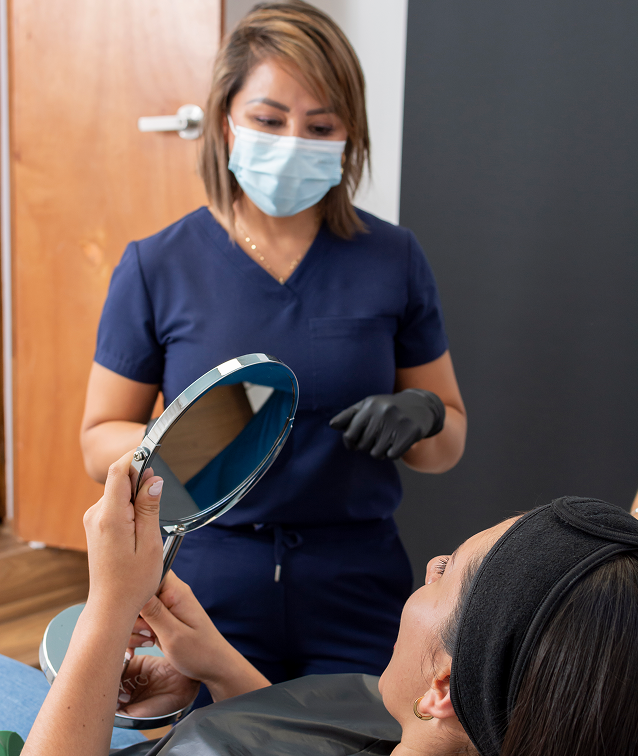
Persistent foul breath may have several causes. With professional support, you can receive guidance on tongue cleaning, gum care, and cleaning between teeth, steps that may help reduce contributing factors and support better oral health.
Plaque and Tartar Buildup
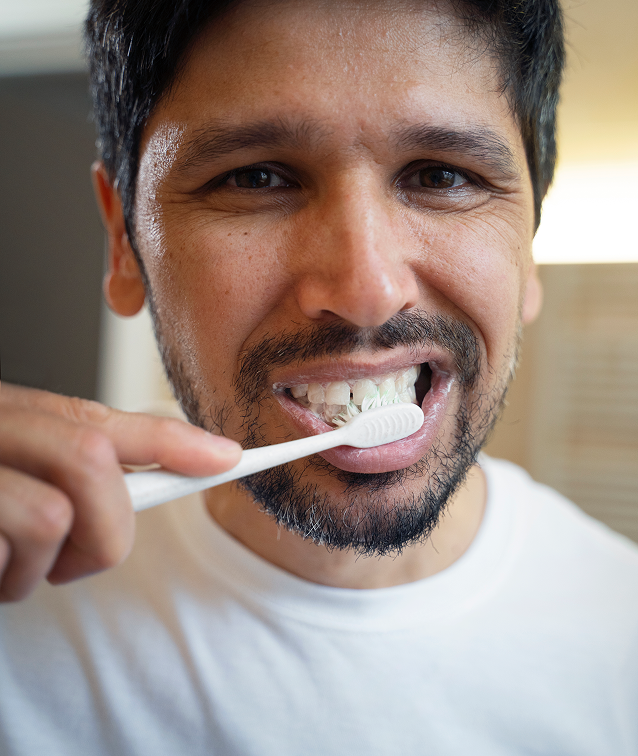
Using the right techniques every day helps you manage plaque more effectively, making it easier to prevent tartar buildup and protect both your teeth and gums from long-term damage that’s harder to reverse later on.
Accessible Dental Care
Payment and Funding Options for Eligible Patients
We provide information about available payment and funding options that eligible patients may access to assist with managing treatment costs.
Disclaimer:
- Flexible payment options are available (e.g. Afterpay, Denticare, SuperCare).
- All payment plans and subsidies are subject to provider eligibility criteria, approval processes, and individual circumstances.
- Terms, conditions, fees, and lending criteria apply.
- Please speak with our team for full details before proceeding.
Afterpay
Afterpay enables eligible patients to spread dental treatment costs across four instalments. This option may assist with scheduled payments. Terms and conditions apply, and patients should confirm their eligibility before using this service.
Learn MoreDenticare
Denticare provides approved payment plan options for eligible patients. This option is subject to approval and eligibility criteria, and patients should confirm details directly with Denticare before starting treatment.
Learn More

Health Funds
We accept most major health funds for eligible dental services. Benefit amounts differ by fund and level of cover. Patients should confirm entitlements with their health fund before treatment, as benefits and gap payments vary between providers.
Learn MoreSuperCare
Through SuperCare, eligible patients may apply for early release of superannuation to fund approved dental treatments. This process is subject to ATO approval and strict eligibility criteria. Patients should confirm their eligibility before undergoing a procedure.
Learn MoreMPDSS
The Metropolitan Patient Dental Subsidy Scheme (MPDSS) may provide eligible patients with subsidised dental care. Availability depends on specific criteria set by government health services. Patients should confirm eligibility and conditions with their local health authority before booking.
Learn MoreCDBS

The Child Dental Benefits Schedule (CDBS) provides eligible children aged 0–17 with access to certain dental services, funded by Medicare. Conditions and annual limits apply. Parents should confirm eligibility through Medicare before commencing treatment under the scheme.
Learn MoreDVA
Dental care may be available to eligible Department of Veterans’ Affairs (DVA) health card holders. Treatment and benefits depend on card type and entitlements. Patients must confirm eligibility and requirements with DVA before accessing services.
Learn MoreHealth Funds
We Accept Most Health Funds for Transparent, Easy-to-Manage Dental Visits
Meet Your Dentists
Dedicated Dental Team Focused on Comfort and Care
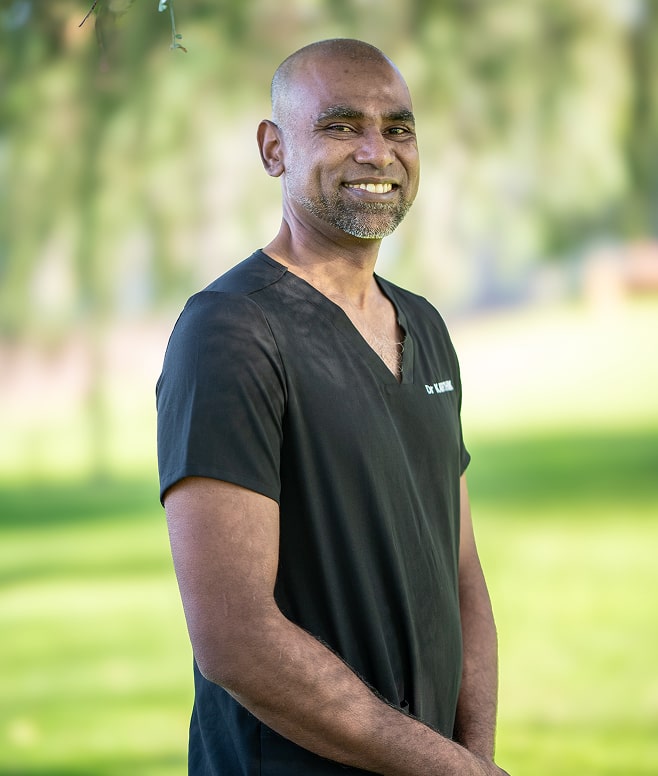
Dr. Karthik is a fully qualified dentist with more than 23 years of clinical experience. Since completing his Bachelor of Dental Surgery in 2002, he has developed a strong interest in surgical procedures, dental implantology, and clear aligner systems. He holds a Master’s degree in Clinical Implantology from UCLA and has undergone comprehensive training in digital treatment planning and orthodontic aligner therapy.
His work is primarily focused on surgical extractions, implant placement, and managing complex treatment plans. He is dedicated to continuous learning and consistently integrates evidence-based techniques into his daily practice. Outside of dentistry, he enjoys playing backyard cricket and badminton with his sons, as well as practising mindfulness and maintaining a balanced lifestyle.
Dr. Karthik earned a Master’s in Clinical Implantology from UCLA, focusing on implant systems, surgical techniques, and oral rehabilitation.
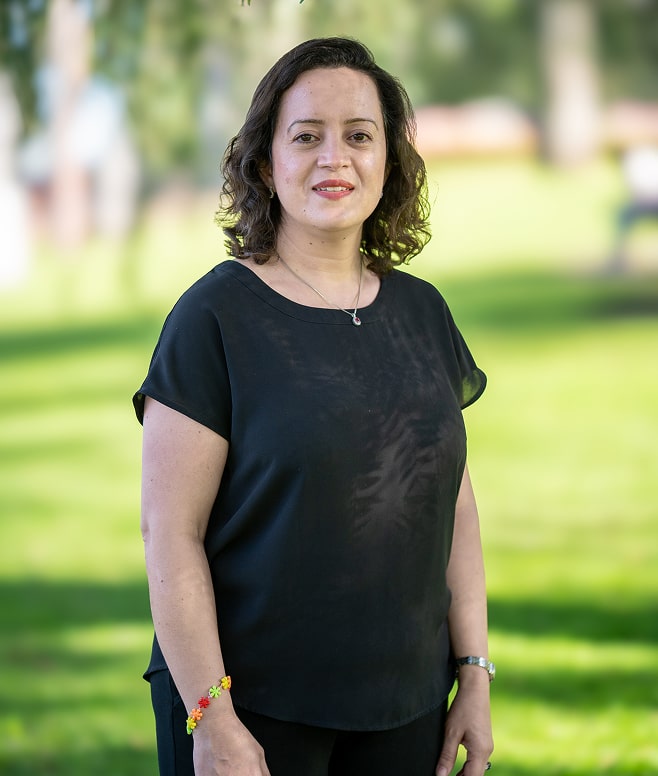
Dr. Behnoush is a dentist with more than 15 years of clinical experience. She gained her qualification through the Australian Dental Council in 2008 and has been practising in the country since 2009. She communicates clearly with patients and takes time to explain treatment options, especially during procedures that may be new or feel overwhelming.
She provides care across all aspects of general dentistry, with special interests in Invisalign, cosmetic treatments, and restorative work, such as crowns and bridges. She is dedicated to continuous learning and regularly attends continuing education programs. Outside of dentistry, she enjoys family time, active living, and being engaged in her local community.
Dr. Behnoush is a member of the Australian Dental Association and upholds national clinical standards and professional codes of conduct.
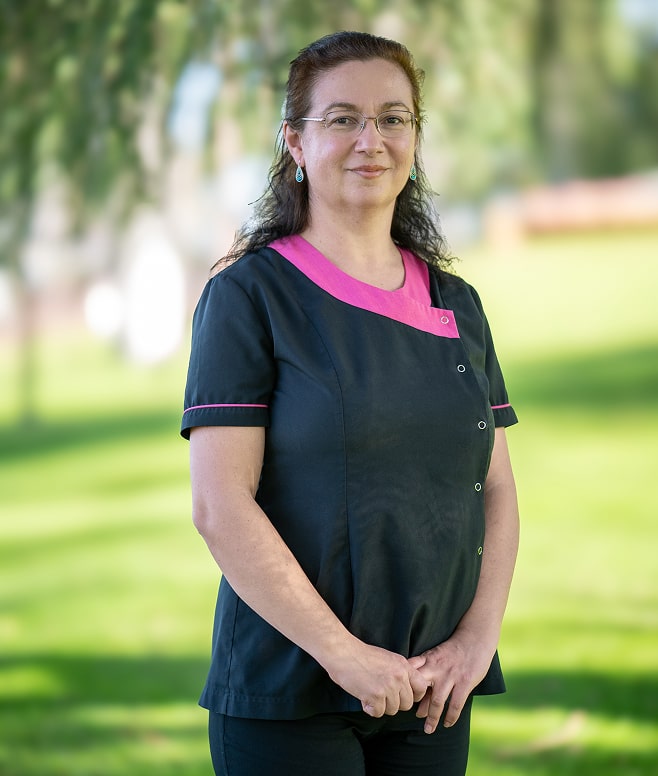
As a Senior Dentist, Dr. Julija focuses on preventive care and communication. She completed her Bachelor of Dental Surgery in 2006 and has more than 15 years of experience. Her calm, friendly approach helps patients feel at ease. She takes the time to explain treatment options and values building lasting relationships through clear and respectful communication.
She provides a wide range of dental services, including preventive, cosmetic, paediatric, extraction, and alignment treatments. She tailors treatment plans to each individual and stays current with evolving techniques. She enjoys cooking and cycling and regularly joins her family in the City to Surf walking challenge, combining fitness with community involvement.
Dr. Julija participates in professional development courses both domestically and internationally to stay current with the latest developments in dentistry.
Dr. Julija is a member of the Australian Dental Association - Western Australia (ADAWA), upholding ethical practice and professional standards in dentistry.
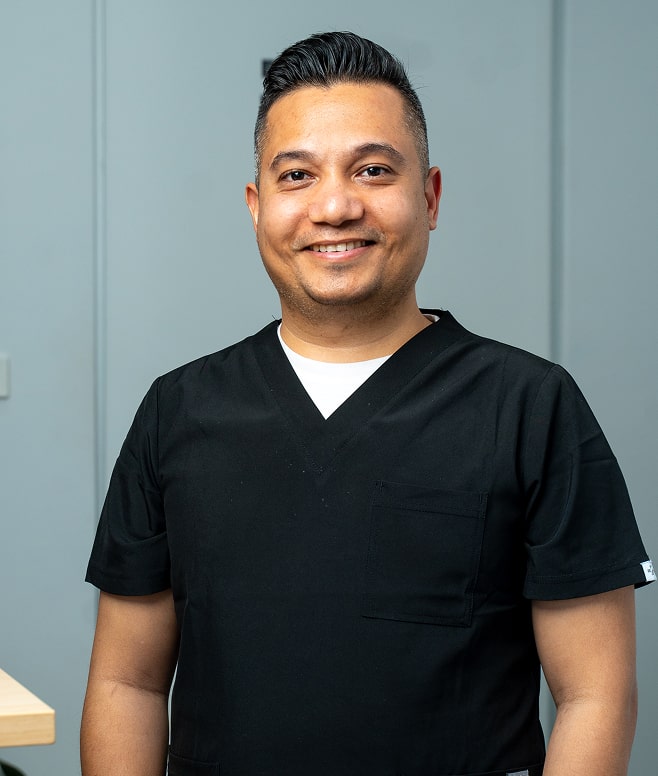
Dr. Siddharth is a dentist providing prosthodontic and implant care. He also provides restorative care, including dentures, crowns and bridges, veneers, and full mouth rehabilitation. He focuses on detail and long-term treatment planning, using a methodical approach shaped by patient goals and needs. His calm and clear communication helps patients navigate their treatment with clarity and understanding.
He enjoys creative pursuits, such as drawing, sketching, cooking, and dancing. These interests reflect his attention to shape, form, and balance—qualities that align with his approach to dental restoration and aesthetics. He works closely with patients on treatment options that are functional and designed with comfort and longevity in mind.
Dr. Siddharth completed his dental degree in India prior to registering locally, adding international clinical training to his restorative and implant work.
- Dr. Siddharth is a Fellow of the Indian Society of Oral Implantologists (ISOI), a professional body dedicated to implant training and clinical development.
- He also holds a Fellowship with the International Congress of Oral Implantologists (ICOI), an organisation that promotes global collaboration in implant dentistry.
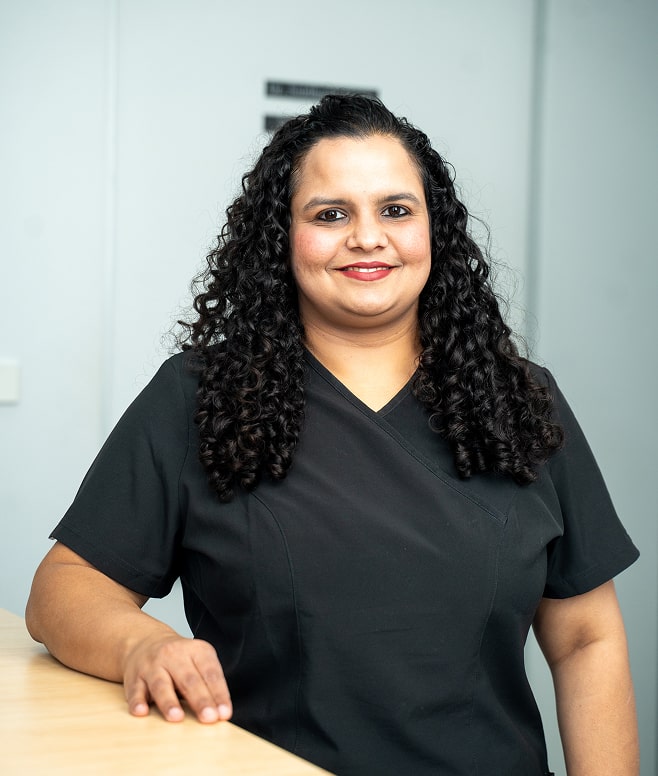
Dr. Abha is a dentist with a Master’s degree in Periodontology and Implantology. She gained her dental qualification in India and registered with the Australian Dental Council. Her background in surgical and implant dentistry is combined with a calm, clear approach to patient care. She focuses on communication and helping patients understand treatment options that suit their individual needs.
She provides preventive, surgical, and implant treatment with careful attention to detail. She applies modern techniques guided by current research and encourages patients to remain committed to their oral health. Outside of dentistry, she spends her time with family, reading, listening to music, travelling, and exploring new places and cultures.
- Dr. Abha completed a Master’s degree in Periodontology and Implantology in India before gaining registration to practise dentistry locally.
- She frequently attends workshops and conferences domestically and internationally to maintain knowledge of current trends and developments in clinical techniques.
- Dr. Abha is a Fellow of the International Congress of Oral Implantologists (ICOI), an international organisation focused on education in implant dentistry.

Dr. Amy joined the team after completing her Doctor of Dental Medicine at the University of Western Australia. She also holds a PhD in Materials Science from Curtin University, which provided valuable insight into dental materials and their clinical performance. She provides general dental care with a particular interest in implants, orthodontics, and clear aligner treatment, such as Invisalign.
She engages in continuing professional education to stay aligned with advancements in general and restorative dentistry techniques. She takes care to create a calm, comfortable environment, especially for patients who may feel anxious about dental visits. She is fluent in both Mandarin and Cantonese and communicates clearly with patients of all backgrounds.
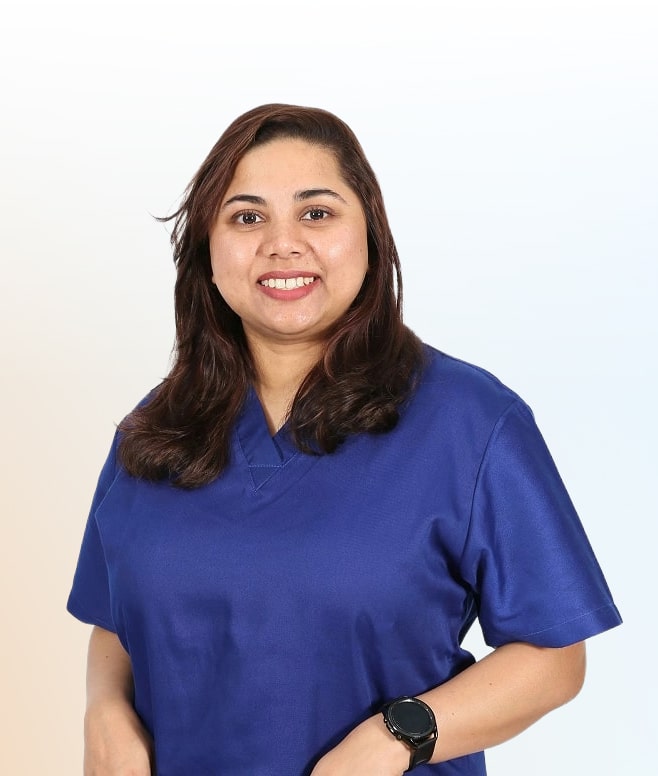
Dr. Bashi offers preventive, restorative, paediatric, endodontic, prosthodontic, and minor oral surgery care in both private and community settings. Her background in clinical dentistry and public health shapes her patient-focused approach, particularly in education and prevention. She communicates clearly with patients of all ages and is committed to providing care that is personalised and responsive to each patient’s unique needs and treatment goals.
During her postgraduate studies, she completed an internship with a healthcare consulting team, contributing to public health projects in various regions. She continues to pursue professional development and enjoys combining clinical care with broader health perspectives. In her spare time, she enjoys basketball, scenic photography, video editing, travel, and exploring diverse cuisines.
Dr. Bashi completed her Bachelor of Dental Surgery at the University of Peradeniya in Sri Lanka before gaining registration to practise in the country.
- Dr. Bashi is a member of the Australian Dental Association and follows its standards for continuing education and ethical patient care.
- She is also registered with the Sri Lanka Medical Council, reflecting her international clinical training and professional background.
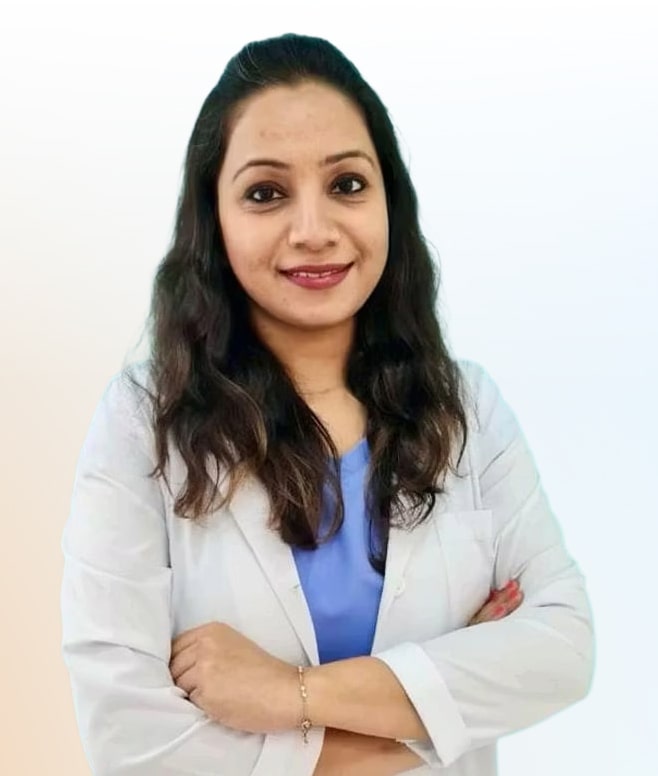
Dr. Neha is a general dentist with postgraduate training in paediatric dentistry and over 13 years of clinical experience. She worked for nine years in Abu Dhabi, focusing on children's oral health. She recently gained her local registration through the Australian Dental Council and now provides care to patients of all ages, including restorative, preventive, and paediatric dentistry.
She has a particular interest in root canal therapy, minimally invasive treatment, and inhalation sedation for anxious patients. She values communication and clarity in every appointment and aims to create a calm environment tailored to each patient’s needs. Her interests outside of dentistry include travel, creative writing, and spending time with her family.
Dr. Neha holds a Bachelor of Dental Surgery and a Master’s in Paediatric Dentistry and has worked clinically in Abu Dhabi for over nine years.
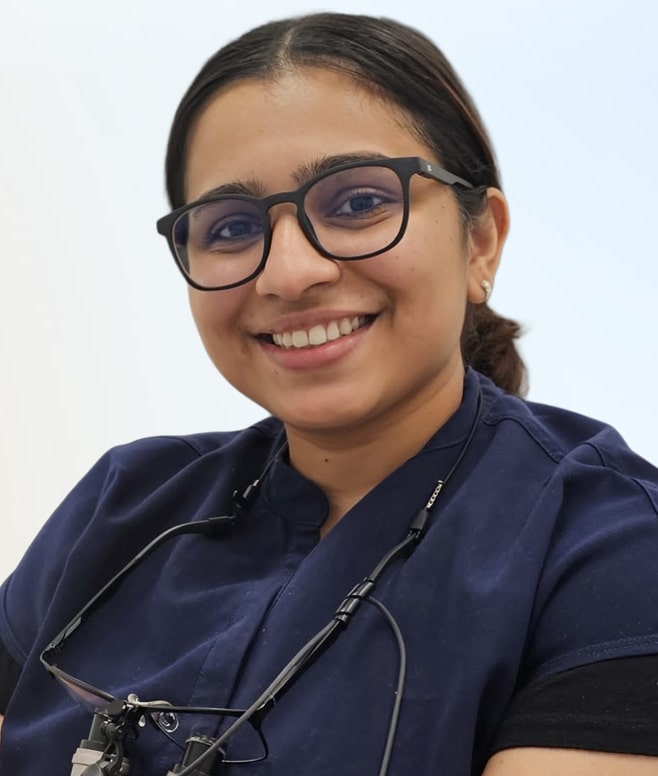
Dr. Karthika completed her Bachelor of Dental Surgery in India and worked in both public and private clinics before settling in Perth. She provides general and restorative care, with a strong interest in preventive dentistry and early intervention. She values collaboration and patient education, helping patients feel more comfortable in making informed choices about their dental care.
She continues to expand her clinical knowledge through continuous professional development. She works gently and thoughtfully with nervous patients, helping them feel more at ease during their appointments. Aside from her work in dentistry, she enjoys gardening, trying new recipes, tackling home DIY projects, and sharing meals with family and friends.
Dr. Karthika earned her Bachelor of Dental Surgery overseas and later gained registration to practise as a general dentist locally.
HELPFUL INSIGHTS
Frequently Asked Questions
What is oral hygiene education?
Oral hygiene education gives you the tools to care for your teeth and gums more effectively, which can help lower your risk of issues like decay, gum disease, or bad breath. At Beyond Smiles Dental, we provide personalised advice tailored to your needs, covering brushing, flossing, diets, and selecting oral care products that support your daily routine.
Oral hygiene education usually includes the following:
- Brushing Techniques:
How to brush twice a day using fluoride toothpaste, following practices endorsed by dental professionals. - Flossing Advice:
Tips on removing plaque and food particles from between teeth, where brushing alone may not be enough. - Diet and Habits:
Understanding how sugary snacks, acidic drinks, and smoking can affect teeth and gums. - Choosing Products:
Helping patients select the right toothbrush, toothpaste, and mouthwash for their needs. - Preventive Visits:
Highlighting the importance of regular dental check-ups and cleans to maintain oral health and catch issues early.
How do you explain oral hygiene to a child?
Helping children learn about oral hygiene can be both fun and empowering. When explained creatively and engagingly, brushing and flossing become habits they enjoy, not chores they avoid.
Here are some evidence-informed and imaginative ways to introduce oral care:
- Turn Brushing Into a Game:
Challenge your child to a sugar bug hunt: “Can you help your toothbrush find and clean all the sugar bugs hiding on your teeth?” A two-minute timer, your favourite song, or a toothbrush app can make it feel like an exciting mission. - Use Imaginative Language:
Swap technical terms for playful ones—call bacteria “sugar bugs” and floss “super string.” These names help children feel more comfortable and make oral hygiene easier to remember. - Let Them Choose Their Tools:
Allowing your child to pick a toothbrush with their favourite colour or character and a mild, flavor-infused toothpaste gives them a sense of independence and ownership over their routine. - Create a Brushing Chart:
Use a visual chart with stickers to mark off each time they brush and floss. Consider using small, non-food rewards or positive reinforcement to celebrate consistency and build a routine. - Brush Together:
Children love to copy what they see. Brushing together sets a strong example and makes oral care feel like a shared, enjoyable family moment. - Tell a Story:
Create a short tale about a brave tooth who stays strong with help from their toothbrush and floss. Storytelling helps children connect emotionally with the message.
Make Dental Visits Positive: Talk about the dentist as someone who helps keep their smile healthy.
At Beyond Smiles Dental, we create a friendly, supportive environment where children can learn about their oral health in a way that feels supportive and enjoyable.
What is a patient's guide to good oral hygiene?
Good oral hygiene plays an important role in maintaining healthy gums, strong teeth, and overall well-being. With consistent habits and the right techniques, you can help prevent tooth decay, gum disease, and other common dental problems.
Here’s a simplified, practical guide to help you care for your smile at every stage of life:
- Use a soft-bristled toothbrush and fluoride toothpaste to brush your teeth twice a day. Brushing gently for two full minutes helps clear plaque from all surfaces and keeps your gums healthy.
- Clean between your teeth once a day with floss, interdental brushes, or a water flosser. It helps clean away debris and plaque from areas your toothbrush can’t reach.
- Choose enamel-friendly products such as fluoride toothpaste and alcohol-free mouthwash. Your dentist can recommend products tailored to your oral health needs.
- Eat tooth-friendly foods like raw vegetables, cheese, and water-rich fruits. Limit frequent snacking on items like lollies, soft drinks, fruit juices, and sour candies, which can weaken tooth enamel over time.
- Stay hydrated by drinking water throughout the day. Water helps maintain saliva flow, which protects against bacteria and washes away food particles.
- Visit your dentist regularly every 6–12 months, based on your oral health needs, for professional cleanings, checkups, and personalised care advice.
- Avoid harmful habits such as smoking, teeth grinding, or regularly eating sugary snacks like lollies, chocolate bars, or sweet biscuits. These behaviours can increase the risk of decay, gum disease, and long-term damage.
- Adjust your routine as you age, as your oral health needs may change over time. Discuss with your dentist how to adjust your care as you age.
What are the steps you can take to promote oral hygiene?
Good oral hygiene is essential for maintaining a healthy smile and preventing cavities, gum disease, and bad breath. Daily habits, professional care, and lifestyle choices all have a significant impact on maintaining your mouth’s health over time.
Below is a step-by-step breakdown to help you or those you care for take control of their dental well-being:
- Brush Your Teeth Twice Daily
- Use a soft-bristled toothbrush and fluoride toothpaste.
- Brush for at least two minutes, covering all surfaces—front, back, chewing surfaces, and along the gumline.
- Brush your tongue to clean away bacteria and freshen your breath.
- Clean Between Your Teeth Once a Day
- Use floss, interdental brushes, or a water flosser to clear plaque from between teeth and under the gumline.
- Guide the floss gently—avoid snapping it onto the gums.
- Clean under the gumline carefully to prevent buildup.
- Visit Your Dentist Regularly
- Book dental check-ups and professional cleans—Many people benefit from visits every 6 to 12 months, depending on individual needs.
- Regular visits help detect problems early and maintain a healthy mouth.
- Maintain a Healthy Diet
- Limit items like soft drinks, fruit juices, lollies, and sour candies that can damage enamel.
- Focus on nutrient-rich options such as leafy greens, apples, brown rice, yoghurt, and grilled chicken to support your oral and overall health.
- Drink water after meals to help rinse away acids and food debris.
- Avoid Tobacco Use
- Smoking and tobacco products significantly increase the risk of gum disease, tooth loss, and oral cancer.
- If you’re considering quitting, speak with your dentist or GP for support options.
- Consider Fluoridated Water
- Fluoride helps strengthen enamel and reduce the risk of decay.
- If your water isn’t fluoridated, your dentist may recommend fluoride treatments.
- Use Mouthwash if Recommended
- Antibacterial or fluoride mouthwash can help reduce plaque, freshen breath, and support overall hygiene.
- Ask your dentist which type is properly suited to your oral health needs.
How do you assist a patient with oral care?
Supporting your oral health extends beyond the dentist’s chair; it involves guiding you step-by-step with the appropriate tools, providing personalised advice, and offering ongoing care to help you maintain a healthy smile.
- Making Oral Care Work for You
- We guide you through straightforward brushing and flossing techniques tailored to your needs so you feel capable of managing your oral care at home.
- We recommend practical tools, such as electric toothbrushes, floss picks, or water flossers, that can easily be integrated into your daily routine and support improved oral hygiene.
- We help you build a sustainable oral care routine that fits your lifestyle, so maintaining your dental health feels achievable, not overwhelming.
- Preventing Problems Before They Start
- Regular professional cleaning helps clear away plaque and tartar that daily brushing can miss, reducing the risk of gum disease and decay.
- If necessary, we may apply fluoride treatments to strengthen enamel and help protect against cavities, particularly in individuals at a higher risk of developing them.
- We also provide clear advice about how certain foods, drinks, and habits can affect your teeth and gums—so you can make informed choices for long-term oral health.
- Communicating Clearly and Respectfully
- We take time to understand your concerns with compassion and work with you to develop a care plan that reflects your individual needs.
- Every step of your care is explained in plain, easy-to-understand language to help you feel informed and in control of your dental decisions.
- At every visit, we prioritise respectful communication, making sure you feel heard, valued, and supported throughout your care.
- Supporting You Through Extra Challenges
- If mobility or dexterity is a concern, we can recommend specially designed toothbrushes or adaptive tools that make oral care easier and more comfortable.
- For those experiencing anxiety, we take a calm and patient approach—explaining each step clearly and allowing time to build trust and comfort.
- Where helpful, we also involve carers or family members to support your oral care routine at home, especially in cases involving medical or cognitive conditions.
- Helping You Stay on Track
- During routine visits, we review your current habits, provide feedback, and adjust your care plan as your needs evolve.
- We acknowledge your progress and provide ongoing support to help you maintain consistency and confidence in your oral hygiene.
- If you require more complex care, we can refer you to registered dental providers to help you receive the most appropriate treatment and ongoing support.
Why is oral hygiene important in aged care?
Oral hygiene is especially important in aged care, where many residents face challenges such as limited mobility, cognitive decline, medication-induced dry mouth, or reliance on dentures, which make independent oral care difficult. Without regular assistance, these individuals face an increased risk of tooth decay, gum disease, oral infections, and discomfort, which can impact their ability to eat, speak, and maintain their dignity.
Poor oral health is linked to a range of systemic complications, particularly in older adults. Studies indicate that pathogenic microorganisms, such as Candida albicans, Staphylococcus aureus, and Pseudomonas aeruginosa, present in the oral cavity may be aspirated into the lungs, potentially contributing to aspiration pneumonia. This condition is a known cause of hospitalisation and increased mortality among aged care residents. Additionally, inadequate oral hygiene may negatively impact chronic conditions such as diabetes and cardiovascular disease. These findings demonstrate the value of regular professional oral care in mitigating overall health risks in older populations.
In residential and nursing care settings, consistent oral hygiene provides several essential benefits:
- By reducing plaque build-up and keeping teeth, gums, and dentures clean, you may help lower the risk of oral infections, discomfort, and some dental emergencies.
- It supports dignity, comfort, and communication by helping keep the mouth clean, odour-free, and as comfortable as possible.
- Reduces the risk of systemic complications by limiting oral bacteria that may trigger inflammation or infection.
- Enables early detection of oral issues such as ulcers, fungal infections, gum disease, or oral cancer.
- Promotes better nutrition, social confidence, and overall well-being by helping residents eat comfortably and interact with others more freely.
Aged care staff support dental problem prevention by delivering daily oral care, reporting concerns, and following training and protocols provided by the facility.
What is the proper order of brushing teeth?
Brushing your teeth properly is a crucial part of preventive dental care and essential for maintaining long-term oral health. Following a structured technique helps promote thorough cleaning of all surfaces and reduces the risk of decay or gum disease.
Here’s a step-by-step guide to help you maintain a thorough oral hygiene routine:
- Start with the outer surfaces of your upper and lower teeth.
Hold your toothbrush at a 45-degree angle to the gumline and use small, light circular motions. Focus on one or two teeth at a time. - Move to the inner surfaces (the side facing your tongue and palate).
Maintain the same technique. For the inner surfaces of front teeth, tilt the brush vertically and use up-and-down strokes. - Brush the chewing surfaces of the molars and premolars.
Use a light back-and-forth motion to clear food particles and plaque buildup from the grooves of the teeth. - Brush along the gumline to reduce plaque that collects where the teeth meet the gums.
Light pressure helps avoid gum irritation while still being effective. - Clean your tongue and the roof of your mouth to clear bacteria and support fresh breath.
Use a light sweeping motion, and rinse the brush thoroughly afterwards.
Brushing twice a day for two minutes with fluoride toothpaste and light pressure is essential to an effective preventive dental care routine.