

















Considering Dental Veneers in Perth? Here’s What to Know
UNDERSTANDING DENTAL VENEERS
Subtle, Natural Smile Enhancements with Custom Dental Veneers
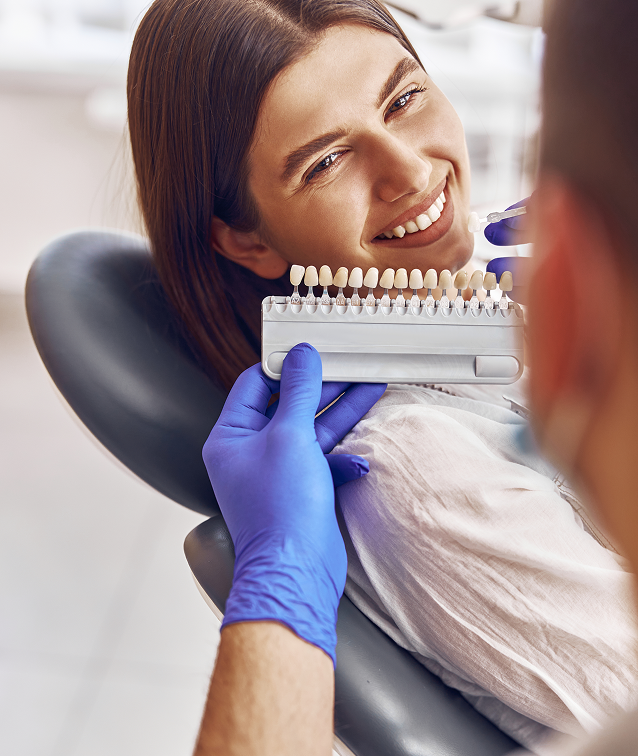
Small issues like spacing or enamel wear can influence how a smile appears. Veneers are individually shaped to match surrounding teeth and create visual consistency.
SMILE ENHANCEMENT OPTIONS
Tailored Veneer Treatments to Match Your Unique Smile Goals
Porcelain Veneers vs Composite Veneers
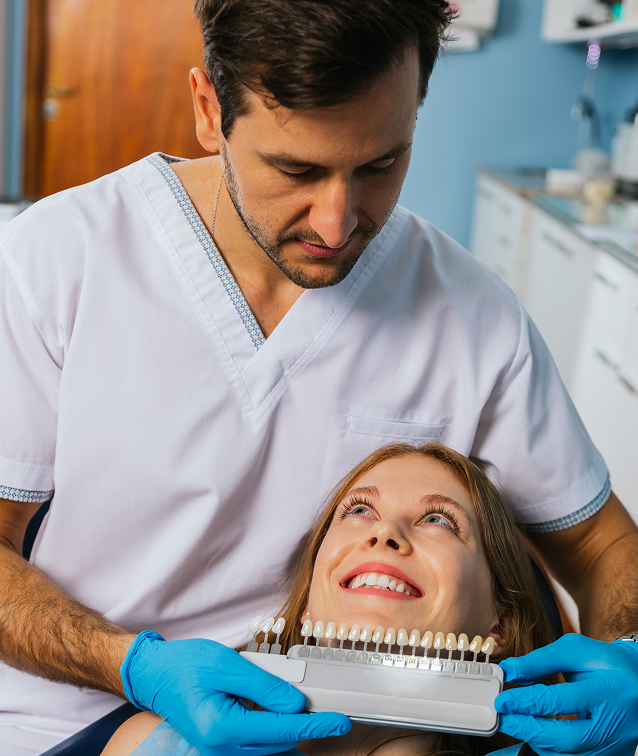
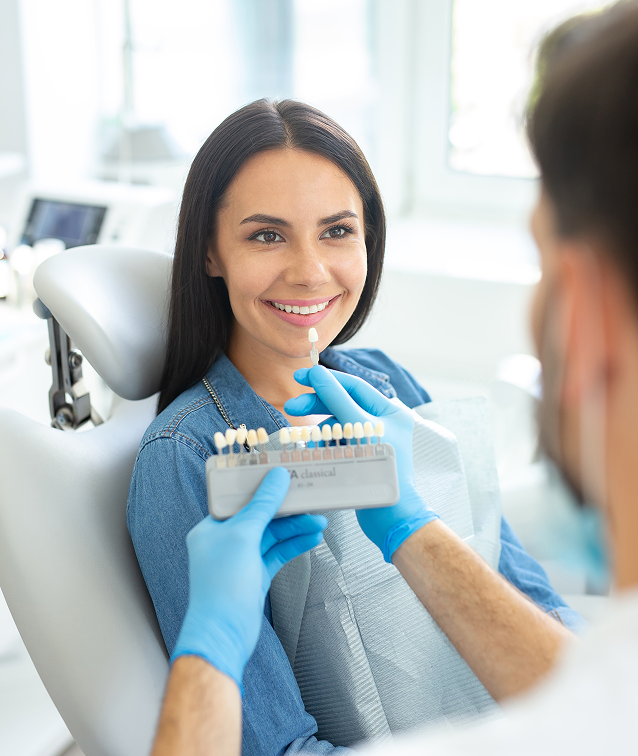
Porcelain veneers are custom-made, lab-fabricated ceramic shells bonded to teeth, while composite veneers use tooth-coloured resin applied directly on teeth. They differ in durability, appearance, cost, treatment time, and longevity. Your dentist can help you explore which option may align with your goals and circumstances.
Learn MoreDENTAL VENEERS SUITABILITY
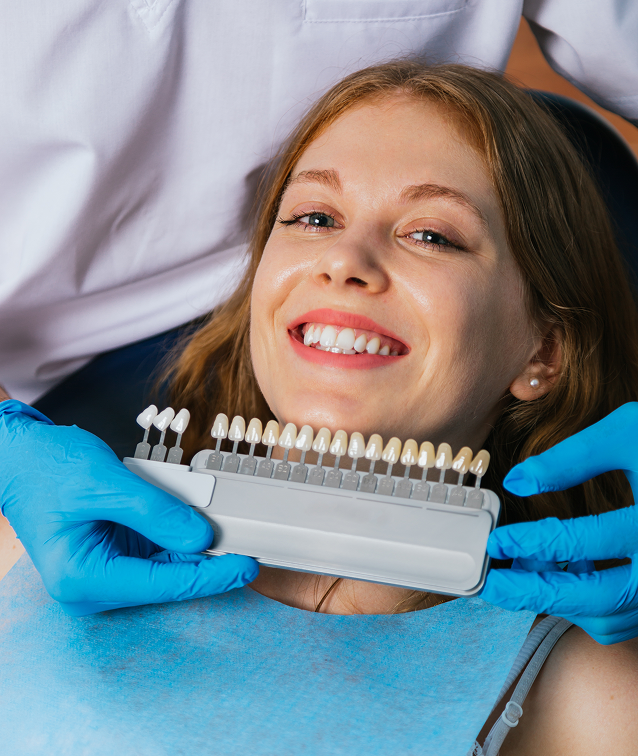
Is Dental Veneer Treatment Right for You?
1 Visible Enamel Wear
2 Unwanted Tooth Shape
3 Stains That Resist Whitening
4 Small Gaps or Spacing
WHAT YOU GAIN
Benefits of Dental Veneers Beyond Cosmetic Smile Enhancements
Added Enamel Support
Veneers may be included in dental treatment planning for patients with enamel concerns. Appropriateness, risks, and expected outcomes differ individually and should be discussed with a dentist.
Bite Surface Refinement
Dentists sometimes use veneers to modify tooth edges where appropriate. This approach is not suitable for everyone, and assessment of risks, benefits, and alternatives is essential.
Preservation of Tooth Structure
Veneers often require only minimal enamel removal compared to full crowns. This conservative approach helps retain more of your natural tooth while achieving aesthetic goals.
Considering Dental Veneers? Book Your Consultation
If you’re exploring dental veneers in Perth, we begin with a personalised consultation. Your oral health, goals, and preferences guide the recommendations provided for treatment.

THINGS TO CONSIDER
What to Know About Dental Veneer Risks and Limitations
1Irreversible Enamel Removal
2 Potential for Damage
3 Colour Stability Over Time
4 Not Always Suitable
Veneers are not appropriate for every smile or condition, and suitability depends on various clinical considerations. Certain structural or health-related factors may limit eligibility. A dentist will assess whether this option aligns with your individual oral health needs and goals.
YOUR TREATMENT JOURNEY
What to Expect When Choosing Dental Veneers
Initial Consultation
Your journey begins with a detailed discussion of your goals, oral health, and treatment preferences. A comprehensive assessment helps determine whether veneers may be appropriate for you.
Smile Preview
Digital imaging or mock-ups may be used to preview the potential outcome of your veneers. This stage helps visualise proposed changes before any irreversible steps are taken.
Preparation and Placement
A small amount of enamel may be adjusted to fit each veneer. Once finalised, the veneers are securely bonded to your teeth using dental adhesive.
Follow-Up Care
A post-treatment review assesses whether your veneers feel comfortable and function as intended. Ongoing care involves daily hygiene and regular dental visits to help maintain long-term results.
MEET YOUR DENTISTS
Dedicated Dental Team Focused on Comfort, Care, and Results
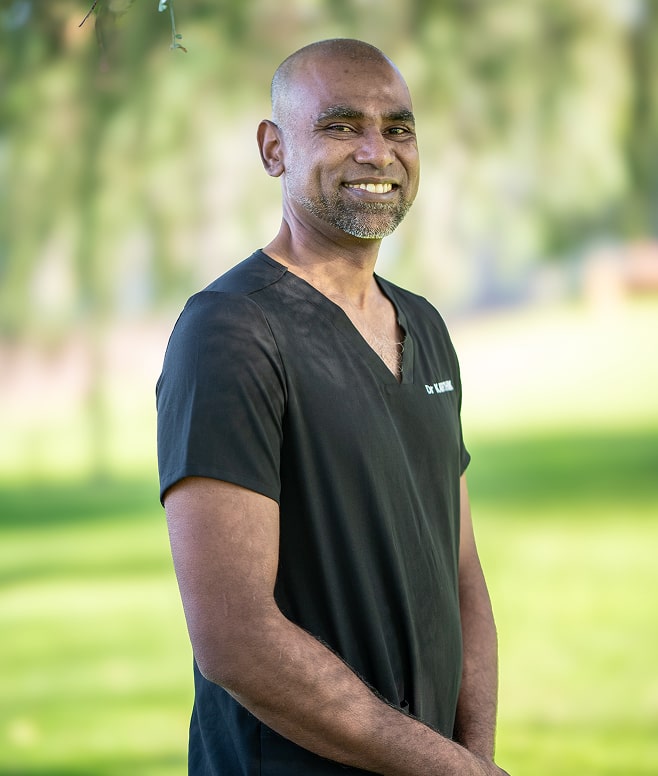
Dr. Karthik is a fully qualified dentist with more than 23 years of clinical experience. Since completing his Bachelor of Dental Surgery in 2002, he has developed a strong interest in surgical procedures, dental implantology, and clear aligner systems. He holds a Master’s degree in Clinical Implantology from UCLA and has undergone comprehensive training in digital treatment planning and orthodontic aligner therapy.
His work is primarily focused on surgical extractions, implant placement, and managing complex treatment plans. He is dedicated to continuous learning and consistently integrates evidence-based techniques into his daily practice. Outside of dentistry, he enjoys playing backyard cricket and badminton with his sons, as well as practising mindfulness and maintaining a balanced lifestyle.
Dr. Karthik earned a Master’s in Clinical Implantology from UCLA, focusing on implant systems, surgical techniques, and oral rehabilitation.
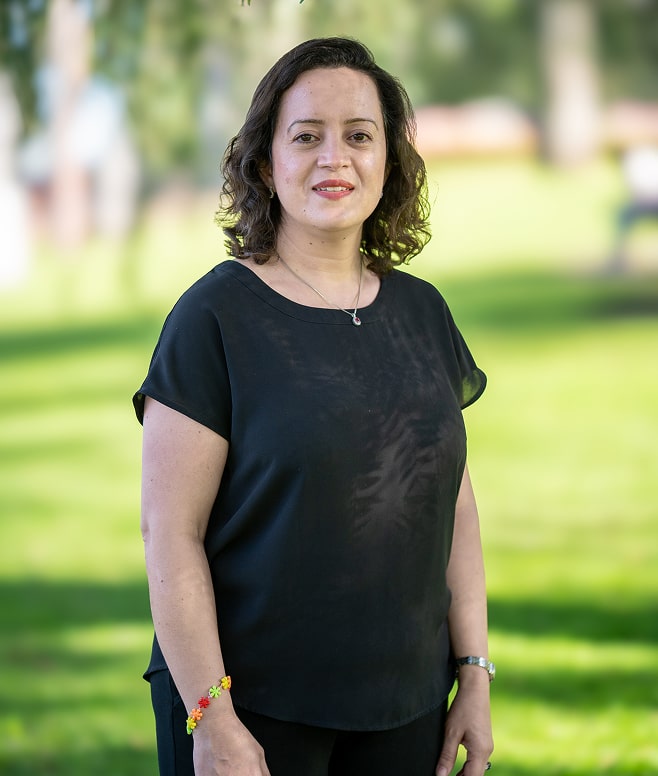
Dr. Behnoush is a dentist with more than 15 years of clinical experience. She gained her qualification through the Australian Dental Council in 2008 and has been practising in the country since 2009. She communicates clearly with patients and takes time to explain treatment options, especially during procedures that may be new or feel overwhelming.
She provides care across all aspects of general dentistry, with special interests in Invisalign, cosmetic treatments, and restorative work, such as crowns and bridges. She is dedicated to continuous learning and regularly attends continuing education programs. Outside of dentistry, she enjoys family time, active living, and being engaged in her local community.
Dr. Behnoush is a member of the Australian Dental Association and upholds national clinical standards and professional codes of conduct.
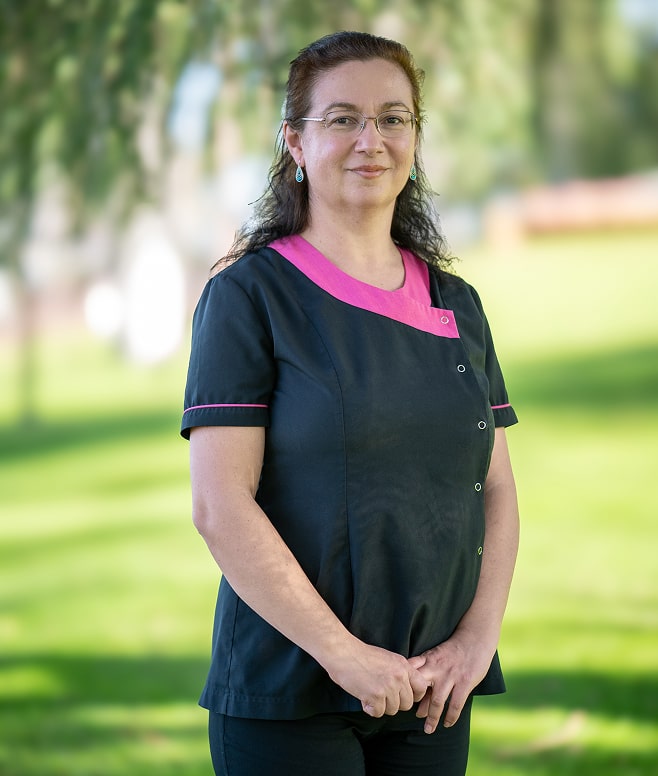
As a Senior Dentist, Dr. Julija focuses on preventive care and communication. She completed her Bachelor of Dental Surgery in 2006 and has more than 15 years of experience. Her calm, friendly approach helps patients feel at ease. She takes the time to explain treatment options and values building lasting relationships through clear and respectful communication.
She provides a wide range of dental services, including preventive, cosmetic, paediatric, extraction, and alignment treatments. She tailors treatment plans to each individual and stays current with evolving techniques. She enjoys cooking and cycling and regularly joins her family in the City to Surf walking challenge, combining fitness with community involvement.
Dr. Julija participates in professional development courses both domestically and internationally to stay current with the latest developments in dentistry.
Dr. Julija is a member of the Australian Dental Association - Western Australia (ADAWA), upholding ethical practice and professional standards in dentistry.
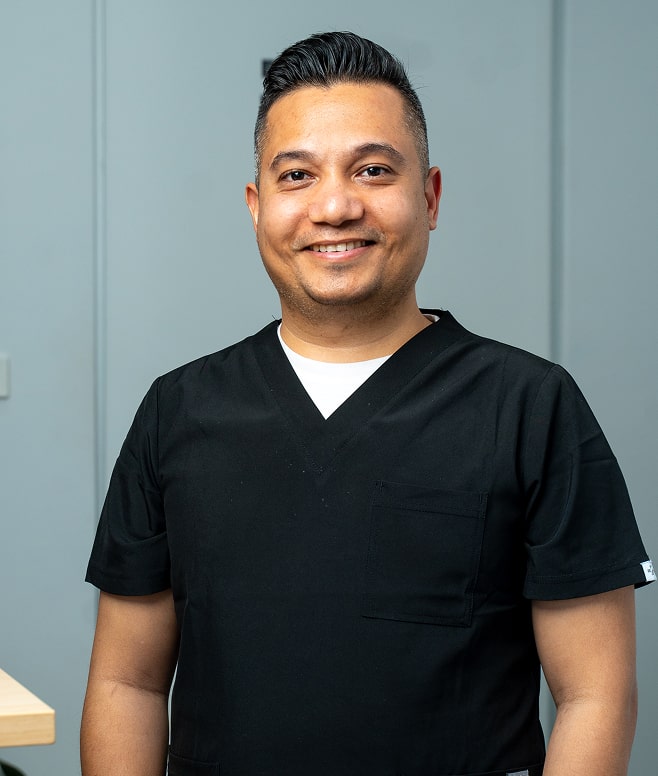
Dr. Siddharth is a dentist providing prosthodontic and implant care. He also provides restorative care, including dentures, crowns and bridges, veneers, and full mouth rehabilitation. He focuses on detail and long-term treatment planning, using a methodical approach shaped by patient goals and needs. His calm and clear communication helps patients navigate their treatment with clarity and understanding.
He enjoys creative pursuits, such as drawing, sketching, cooking, and dancing. These interests reflect his attention to shape, form, and balance—qualities that align with his approach to dental restoration and aesthetics. He works closely with patients on treatment options that are functional and designed with comfort and longevity in mind.
Dr. Siddharth completed his dental degree in India prior to registering locally, adding international clinical training to his restorative and implant work.
- Dr. Siddharth is a Fellow of the Indian Society of Oral Implantologists (ISOI), a professional body dedicated to implant training and clinical development.
- He also holds a Fellowship with the International Congress of Oral Implantologists (ICOI), an organisation that promotes global collaboration in implant dentistry.
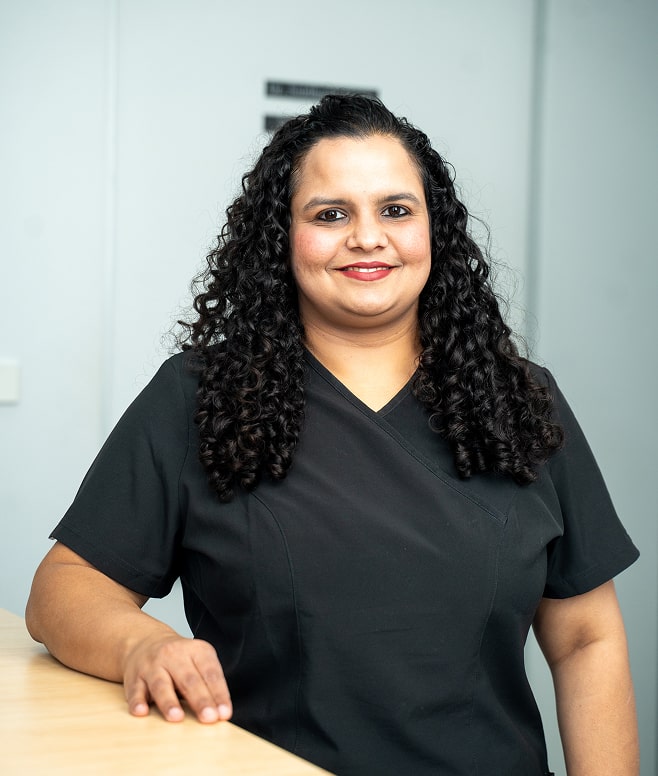
Dr. Abha is a dentist with a Master’s degree in Periodontology and Implantology. She gained her dental qualification in India and registered with the Australian Dental Council. Her background in surgical and implant dentistry is combined with a calm, clear approach to patient care. She focuses on communication and helping patients understand treatment options that suit their individual needs.
She provides preventive, surgical, and implant treatment with careful attention to detail. She applies modern techniques guided by current research and encourages patients to remain committed to their oral health. Outside of dentistry, she spends her time with family, reading, listening to music, travelling, and exploring new places and cultures.
- Dr. Abha completed a Master’s degree in Periodontology and Implantology in India before gaining registration to practise dentistry locally.
- She frequently attends workshops and conferences domestically and internationally to maintain knowledge of current trends and developments in clinical techniques.
- Dr. Abha is a Fellow of the International Congress of Oral Implantologists (ICOI), an international organisation focused on education in implant dentistry.

Dr. Amy joined the team after completing her Doctor of Dental Medicine at the University of Western Australia. She also holds a PhD in Materials Science from Curtin University, which provided valuable insight into dental materials and their clinical performance. She provides general dental care with a particular interest in implants, orthodontics, and clear aligner treatment, such as Invisalign.
She engages in continuing professional education to stay aligned with advancements in general and restorative dentistry techniques. She takes care to create a calm, comfortable environment, especially for patients who may feel anxious about dental visits. She is fluent in both Mandarin and Cantonese and communicates clearly with patients of all backgrounds.
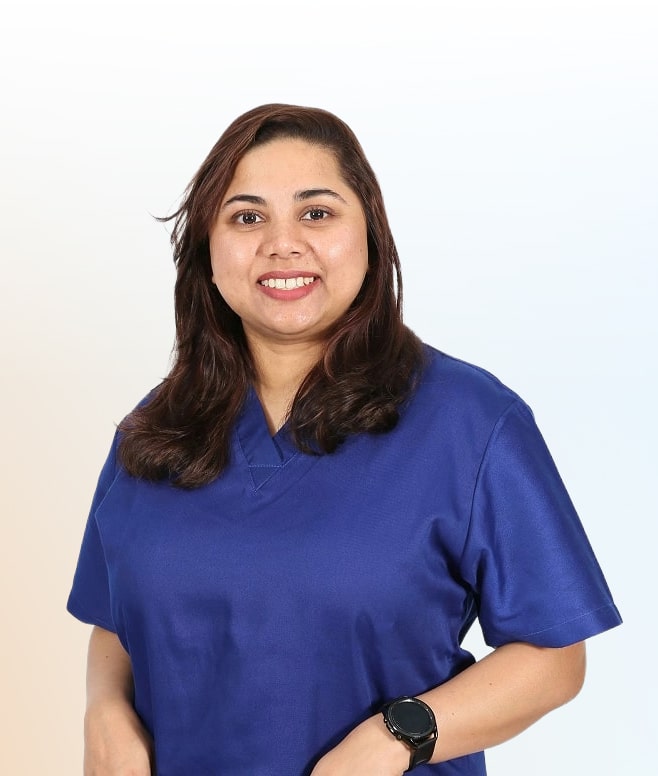
Dr. Bashi offers preventive, restorative, paediatric, endodontic, prosthodontic, and minor oral surgery care in both private and community settings. Her background in clinical dentistry and public health shapes her patient-focused approach, particularly in education and prevention. She communicates clearly with patients of all ages and is committed to providing care that is personalised and responsive to each patient’s unique needs and treatment goals.
During her postgraduate studies, she completed an internship with a healthcare consulting team, contributing to public health projects in various regions. She continues to pursue professional development and enjoys combining clinical care with broader health perspectives. In her spare time, she enjoys basketball, scenic photography, video editing, travel, and exploring diverse cuisines.
Dr. Bashi completed her Bachelor of Dental Surgery at the University of Peradeniya in Sri Lanka before gaining registration to practise in the country.
- Dr. Bashi is a member of the Australian Dental Association and follows its standards for continuing education and ethical patient care.
- She is also registered with the Sri Lanka Medical Council, reflecting her international clinical training and professional background.
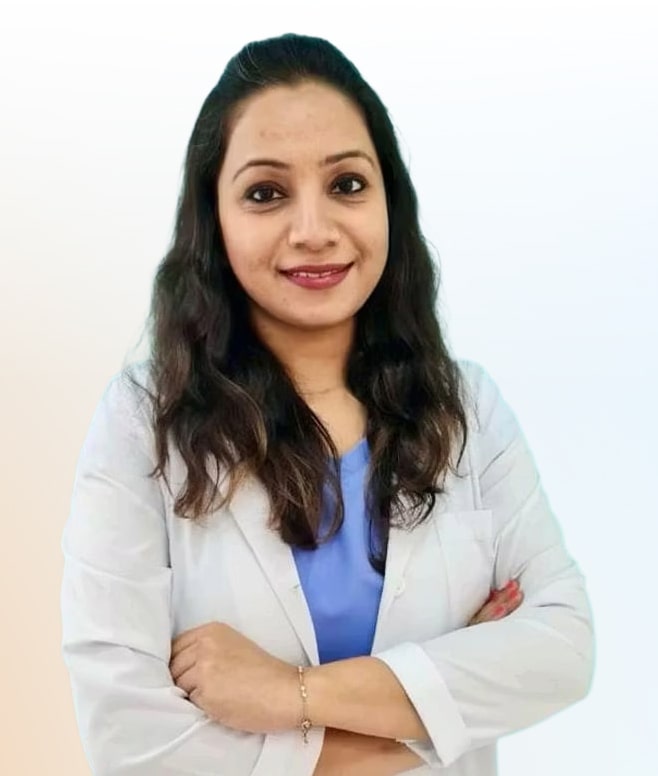
Dr. Neha is a general dentist with postgraduate training in paediatric dentistry and over 13 years of clinical experience. She worked for nine years in Abu Dhabi, focusing on children's oral health. She recently gained her local registration through the Australian Dental Council and now provides care to patients of all ages, including restorative, preventive, and paediatric dentistry.
She has a particular interest in root canal therapy, minimally invasive treatment, and inhalation sedation for anxious patients. She values communication and clarity in every appointment and aims to create a calm environment tailored to each patient’s needs. Her interests outside of dentistry include travel, creative writing, and spending time with her family.
Dr. Neha holds a Bachelor of Dental Surgery and a Master’s in Paediatric Dentistry and has worked clinically in Abu Dhabi for over nine years.
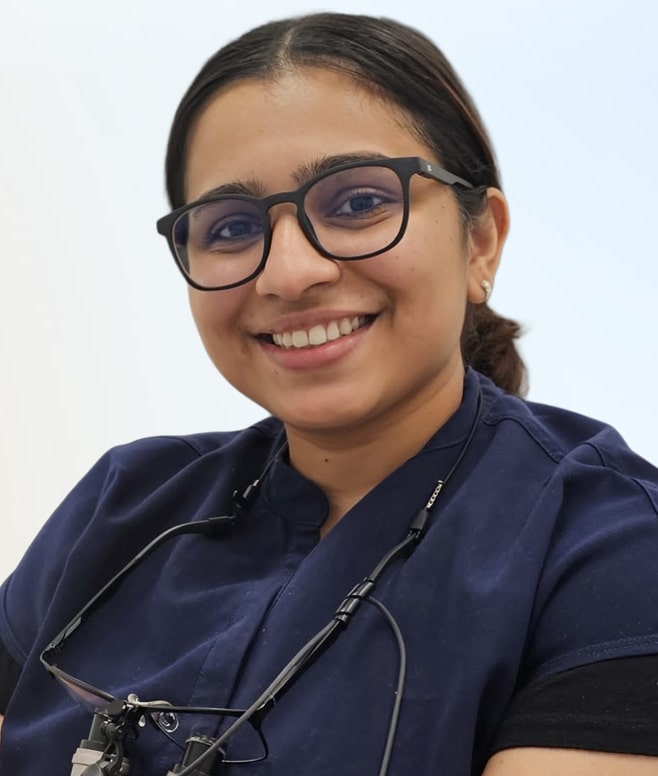
Dr. Karthika completed her Bachelor of Dental Surgery in India and worked in both public and private clinics before settling in Perth. She provides general and restorative care, with a strong interest in preventive dentistry and early intervention. She values collaboration and patient education, helping patients feel more comfortable in making informed choices about their dental care.
She continues to expand her clinical knowledge through continuous professional development. She works gently and thoughtfully with nervous patients, helping them feel more at ease during their appointments. Aside from her work in dentistry, she enjoys gardening, trying new recipes, tackling home DIY projects, and sharing meals with family and friends.
Dr. Karthika earned her Bachelor of Dental Surgery overseas and later gained registration to practise as a general dentist locally.
ANSWERS YOU NEED
Frequently Asked Questions
How long do dental veneers last?
Dental veneers are a cosmetic option used to enhance the appearance of teeth. They are bonded to the front surface of teeth to improve colour, shape, or alignment. Veneers are designed to be long-lasting, and with proper care, they can remain in place for many years.
Several factors influence how long veneers last:
- Type of veneer material:
Porcelain veneers are known for their strength and resistance to staining, and they usually last 10-25 years. Composite resin veneers, on the other hand, usually last four to eight years. - Oral hygiene habits:
Daily brushing and flossing help maintain the health of gums and the teeth underneath, promoting the longevity of veneers. Regular dental check-ups are also important. - Diet and lifestyle choices:
Chewing hard items like ice or pens can gradually wear down or damage veneers. Frequently consuming stain-causing foods and drinks, such as curry, red wine, or coffee, may also affect their appearance over time. - Teeth grinding (bruxism):
Grinding or clenching your teeth, especially during sleep, can wear down veneers. If this is a concern, a dentist may suggest a custom night guard to reduce pressure.
Bite alignment and dental health: An uneven bite can place extra pressure on some veneers, increasing the chance of early wear or damage. Managing bite issues can help extend their use.
Can dental veneers fall out?
Dental veneers are securely bonded to the front surface of the teeth. When placed with care and properly maintained, they usually remain in place for many years. Still, it is possible for a veneer to become loose or fall off in certain situations.
Here are some reasons why this might happen:
- Wear over time:
As veneers age, the bond between the veneer and the natural tooth may begin to weaken. This is more likely to occur when the veneer is approaching the end of its typical lifespan - Biting habits and pressure:
Chewing on hard items like ice, pens, o fingernails can place extra stress on veneers. These habits may increase the chance of the veneer loosening over time. - Teeth grinding (bruxism):
Grinding or clenching during sleep or throughout the day can put constant pressure on veneers. If this is a concern, a dentist may recommend wearing a protective mouthguard at night. - Changes in the supporting tooth:
If the natural tooth underneath develops decay or structural damage, it can affect how well the veneer stays in place. - Bonding issues during placement:
Occasionally, the initial bond may not hold as firmly as intended. This can lead to the veneer becoming loose earlier than expected.
If a veneer does fall off, it’s important to keep it safe and contact us as soon as you can. We’ll assess whether it can be reattached or if a replacement is needed. If you’re looking for support with dental veneers in Perth, we’re here to help you through the next steps.
Do dental veneers wear over time?
Yes, dental veneers can wear gradually over time. Although made from strong materials, they remain exposed to daily use and environmental factors that can affect their appearance and surface texture.
Common causes of veneer wear include the following:
- Long-term exposure to acidic foods and drinks:
Frequent consumption of items like citrus fruits, vinegar-based dressings, or soft drinks may slowly erode veneer surfaces, especially those made from composite resin. - Frequent contact with abrasive toothpaste or whitening products:
Using gritty toothpaste or over-the-counter wh itening products can dull the surface of veneers and reduce their natural sheen. - Ageing of dental materials:
All dental materials can experience subtle changes over the years. Veneers may lose some of their original gloss or develop small surface irregularities with time. - Environmental factors and dry mouth:
Regular alcohol use or certain medications can reduce saliva flow, leading to a dry mouth. This dryness may increase friction on veneers and contribute to wear. - Inconsistent oral care habits:
Inconsistent brushing, irregular flossing, or skipping dental visits can lead to plaque buildup, potentially affecting the edges and gumline around veneers.
Are dental veneers worth the price?
Dental veneers can be a valuable option for people looking to improve the appearance of their teeth. Whether they’re worthwhile for you depends on a range of personal and clinical factors, not just the cost.
Here are some things to consider when deciding if veneers are worth it:
- What you want to change about your smile:
If you’re unhappy with the colour, shape, size, or alignment of your teeth, veneers may provide the result you’re after. They’re often chosen for visible areas of the smile where appearance matters. - How long you want the results to last:
Porcelain and composite veneers have different expected lifespans. Longevity depends on many factors, including patient habits and oral health. A registered dentist can advise on appropriate options, likely durability, risks, and ongoing care for individual circumstances. - How important dental aesthetics are to you:
If you place a high value on your smile’s appearance—such as for personal, social, or professional reasons—veneers may have a meaningful impact. - Your overall oral health and habits:
Good oral hygiene and healthy teeth are essential for veneers to work well. If you grind your teeth, clench your jaw, or have unaddressed gum disease, these factors may affect the outcome or longevity. - Your budget and treatment expectations:
Whether veneers are worthwhile may depend on how much you’re comfortable spending and what kind of results you’re looking for. It can help to compare veneers with other cosmetic dental treatment options like whitening or bonding.
If you’re weighing up the value of dental veneers, a personalised consultation can give you clarity. We offer affordable dental veneers in Perth and will walk you through your options, expected outcomes, and pricing in detail.
Do health funds cover veneer treatment?
Dental veneers are generally considered a cosmetic procedure, and many health funds exclude them from standard dental cover. However, this can vary between policies.
Here are some ways to find out if your health fund will help with the cost:
- Review your policy:
Look over your health fund documents to see what types of dental treatments are included. Veneers are often excluded unless there’s a functional reason for the procedure. - Call your health fund:
Speak with a representative and ask whether they offer any contribution towards veneers. Be clear about the reason for treatment, as this may affect how it’s classified. - Ask your dentist for treatment codes:
Your dentist can give you the item numbers used for your treatment plan. Sharing these with your health fund will help them check if any contribution applies. - Ask about waiting periods or limits:
Some health funds have time-based conditions before certain treatments are included or yearly limits on dental cover. It’s a good idea to ask if these apply in your case. - Get written confirmation:
Ask your health fund to send a written summary of what is and isn’t included. This can help you understand any out-of-pocket costs before starting treatment.
Getting clarity from your health fund can be an important step when exploring affordable dental veneers in Perth. Even if your policy doesn’t include cosmetic items, we’re happy to discuss alternative options, costs, and flexible payment arrangements during your consultation.
Are there any risks to dental veneers?
Dental veneers are commonly used in cosmetic dentistry and are generally considered safe when provided by a trained professional. However, like any dental procedure, there are some risks to consider before getting started.
Here are some potential concerns associated with this cosmetic dental treatment:
- Irreversible enamel removal:
A thin layer of enamel is usually removed from the front of the tooth. After this step, the tooth will always need to be protected with a restoration. - Tooth sensitivity:
After enamel is removed, some people may notice increased sensitivity to hot or cold temperatures. This may settle over time, but it can persist in rare cases. - Chipping or surface cracks:
Veneers are strong but not unbreakable. Teeth grinding or biting on hard items can increase the risk of chips, cracks, or damage. - Gum irritation or changes over time:
In the early stages, veneers may cause mild irritation to the gums. As gums naturally recede with age, the margin of the veneer may become more visible. - Colour mismatch:
While porcelain veneers resist staining, surrounding natural teeth may change colour over time. This can lead to visible differences between veneered and non-veneered teeth. - Veneer detachment:
In some cases, a veneer may come loose if the bond weakens or if the tooth underneath develops decay or structural changes. If this occurs, it may need to be replaced.
Can veneers damage your natural teeth?
Veneers don’t damage natural teeth when placed properly by a qualified dentist. To apply a veneer, a small amount of enamel is usually removed from the front surface of the tooth. This alteration means the tooth won’t return to its original form and will need to remain protected with a veneer or a similar option.
Despite this change, the underlying tooth remains alive and functional. With good oral care—such as brushing, flossing, and regular check-ups—it can stay healthy for many years. Additionally, because the veneer is bonded only to the front surface, the rest of the tooth structure remains unaffected.
Can you take dental veneers off?
Veneers are intended to be a long-term part of your smile and are not designed to be removed without replacement. Once a veneer is applied, the natural tooth is changed, and leaving it uncovered may lead to sensitivity or other concerns. While veneers cannot be taken off like removable appliances, they can be replaced by a dentist if needed.
Here’s what to know about removing dental veneers:
- Veneers are not removable at home:
Unlike dentures or aligners, customised dental veneers are securely bonded to the tooth and cannot be removed and reapplied at home. Only a dentist can remove them if necessary. - Tooth enamel is reduced for placement:
A thin layer of enamel is usually removed to make space for the veneer. This change means the tooth will always need to be covered with a veneer or similar material. - Veneers can be replaced professionally:
If a veneer becomes damaged or worn, a dentist can carefully remove it and bond a new one in place. - The tooth underneath remains altered:
After preparation, the natural tooth is no longer in its original state. Leaving it without a veneer may increase the risk of sensitivity or damage. - Ongoing care is essential:
Regular dental check-ups help monitor the condition of your veneers and allow for timely replacement if needed.
Can you eat and drink normally with veneers?
Veneers are designed to function like natural teeth, so you can eat and drink comfortably with them. That said, there are a few things to keep in mind to help maintain their appearance and strength over time.
Here’s what to know about eating and drinking with veneers:
- Everyday meals are fine:
Many foods can be eaten as usual, including fruits, vegetables, grains, and soft proteins. Once you adjust to the feel of the veneers, eating should feel natural. - Biting hard items can cause damage:
Chewing on ice, bones, or very hard foods can put pressure on veneers and increase the risk of chips or cracks. - Sticky foods may pull at the edges:
Chewy lollies, toffee, and similar items can tug at veneer edges, especially with composite materials. It’s helpful to eat these with care or avoid them. - Dark-coloured drinks may cause uneven staining:
Coffee, red wine, and tea won’t stain porcelain veneers, but they can discolour nearby natural teeth. This can lead to visible differences over time. - Biting with front teeth:
Veneers are commonly placed on the front teeth, which can be more susceptible to pressure when biting into hard or dense foods. It’s advisable to use your back teeth for these items instead.
Do people with veneers have to brush their teeth?
Yes, brushing is still necessary even if you have veneers. Here’s why:
- The rest of the tooth is still exposed:
Veneers only cover the front surface of the tooth. The sides, back, and area near the gumline can still collect plaque and develop decay if not cleaned properly. - Gums are still at risk of disease:
Brushing helps reduce bacteria along the gumline. Without regular care, you may experience inflammation or gum problems near the edges of the veneers. - Natural tooth structure still needs care:
The tooth beneath the veneer remains natural and can still develop decay, especially around the margins where the veneer is bonded. - Staining can occur near the veneer:
While veneers resist stains, plaque buildup or discolouration on nearby natural teeth can affect how your smile looks overall.
Do veneers affect how teeth function?
Veneers contribute to enhancing your smile without changing how your teeth work. Here’s how veneers relate to the different functions your teeth perform:
- Chewing food:
Teeth with veneers can still chew effectively. The veneer covers only the front surface, so the biting edges and chewing surfaces remain active. However, it’s helpful to avoid biting very hard foods with veneered teeth to reduce the risk of chips. - Biting into foods:
You can still bite into foods like sandwiches or apples, though care should be taken with dense or crunchy items. The porcelain or composite surface is durable but may chip more easily than natural enamel if placed under strong pressure. - Speaking clearly:
Veneers do not usually affect speech. Some people may notice a brief adjustment period as the tongue gets used to the new shape of the front teeth. However, this usually improves quickly. - Feeling temperature and pressure:
You’ll still feel sensations like heat, cold, and pressure. Veneers do not block these feelings because they only cover the front of the tooth, leaving the nerves inside the tooth unaffected. - Maintaining your bite alignment:
Veneers are made to fit yourexisting bite. They don’t shift the position of your teeth or alter how your upper and lower teeth come together.
ACCESSIBLE DENTAL CARE
Payment and Funding Options for Eligible Patients
Afterpay
Afterpay allows eligible patients to pay for dental treatment in four instalments, with approval subject to Afterpay’s terms, eligibility criteria, and spending limits.
Learn MoreDentiCare
DentiCare provides flexible payment plans to eligible patients, allowing treatment costs to be spread over time with no interest, subject to provider terms and approval.
Learn More

Health Funds
We accept most major health funds and offer HICAPS claiming. Your benefit amount will depend on your individual health fund cover and treatment type. Check with your fund.
Learn MoreSuperCare
SuperCare helps eligible patients apply for early superannuation access to fund approved dental treatment, with applications assessed under ATO guidelines and approval criteria.
Learn MoreMetropolitan Patients Dental Subsidy Scheme
The MPDSS may assist eligible metropolitan patients with dental costs, subject to clinical need and financial assessment under the program’s specific eligibility criteria.
Learn MoreChild Dental Benefits Schedule

The CDBS provides eligible children up to $1,095 in Medicare-funded dental services over two years, including checkups, cleaning, fillings, and other basic treatments.
Learn MoreDepartment of Veterans' Affairs (DVA)
Eligible veterans may receive dental care through DVA arrangements, with entitlements determined by individual eligibility, service status, and Department of Veterans’ Affairs guidelines.
Learn More